
Midwest Farmers Face Record Diesel Costs and Harvest Delays Ahead of Midterms
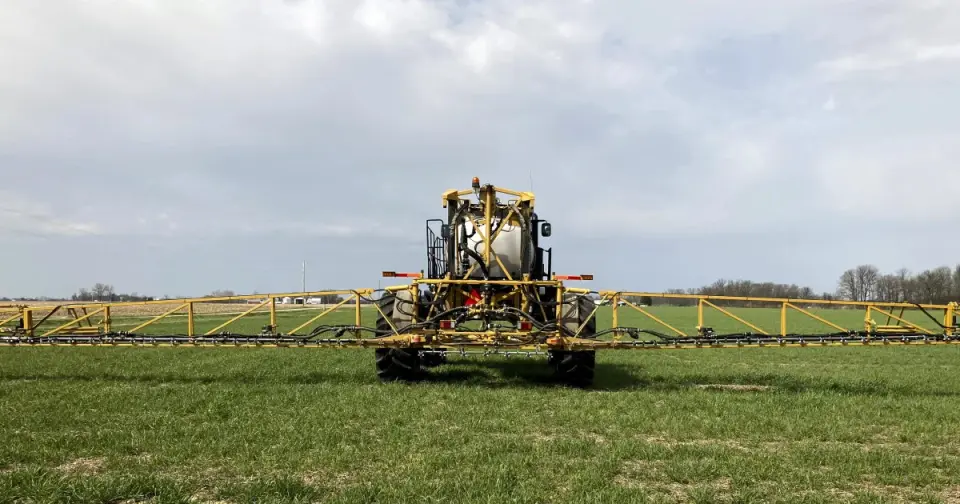
US farmers are grappling with record-high diesel prices and disrupted fertilizer supplies, compounded by severe harvest delays in the Midwest. While crop prices have risen, input costs remain a primary concern for rural voters ahead of the November midterms, with many expressing frustration over economic conditions but maintaining conservative voting tendencies.
Key points
- Diesel prices hit record highs in September 2026, driven by supply chain disruptions from the US-Israel conflict with Iran and tariff impacts.
- Chemical fertilizer prices have risen due to Middle East supply chain issues, offsetting gains in soybean, corn, and wheat prices.
- Excessive rainfall in Nebraska, Iowa, and parts of the Midwest has delayed harvests, causing soil damage and increasing fuel consumption for machinery.
- Rural voters remain largely conservative despite economic dissatisfaction, with Trump retaining a 48% approval rating among them compared to 33% nationally.
- Ohio farmers are watching the race between Sen. Jon Husted and Sherrod Brown, as well as the gubernatorial race involving Vivek Ramaswamy, who has proposed property tax relief.
Background
Diesel prices have surged to record levels since February 2026, with national averages reaching $5.87 per gallon in early September. Previous coverage noted that these spikes were linked to geopolitical tensions and refinery constraints, prompting calls from some Republicans to pause diesel exports. The current situation extends these pressures into the agricultural sector, where input costs are directly impacting profitability.
How outlets are covering it
WOSU emphasizes the political implications of rising costs for Ohio voters, noting that while farmers are frustrated, most remain conservative. KOLN and Western Iowa Today focus on the immediate logistical crisis caused by unprecedented rainfall in Nebraska and Iowa, which has stalled harvests and increased diesel usage. FarmWeekNow highlights the technical challenges of harvesting wet grain, such as mold and storage issues. While WOSU links fuel costs to foreign policy, the regional outlets stress that weather and logistics are the immediate barriers to profitability, creating a dual pressure on farmers.
Why it matters
The convergence of high input costs and weather-related harvest delays threatens to reduce farm profitability just before a critical election cycle. If rural voters feel their economic pain is unaddressed by current policies, it could influence turnout and voting patterns in key states like Ohio, potentially impacting the balance of power in Congress and state legislatures.
What to watch
Early voting in Ohio begins on October 6. Farmers in the Midwest are waiting for drier conditions to resume harvest operations. The outcome of the November midterms will determine whether new policies, such as property tax relief or trade adjustments, are implemented to address agricultural costs.
- Ohio farmers feel the squeeze of diesel, fertilizer prices. Will that affect how they vote? WOSU Public Media
- Recent rains raise concerns for southeast Nebraska farmers this harvest season KOLN | Nebraska Local News, Weather, Sports | Lincoln, NE
- Stalled Weather Pattern Hinders Harvest Efforts yankton.net
- Persistent Rain Taking Producers into Unprecedented Territory westerniowatoday.com
- Rains leak into harvest in LaSalle County FarmWeekNow
Want the full story? Read the original reporting
Read on WOSU Public Media