
SNAP Enrollment Plummets as New Work Rules and Cost Shifts Disrupt Food Aid
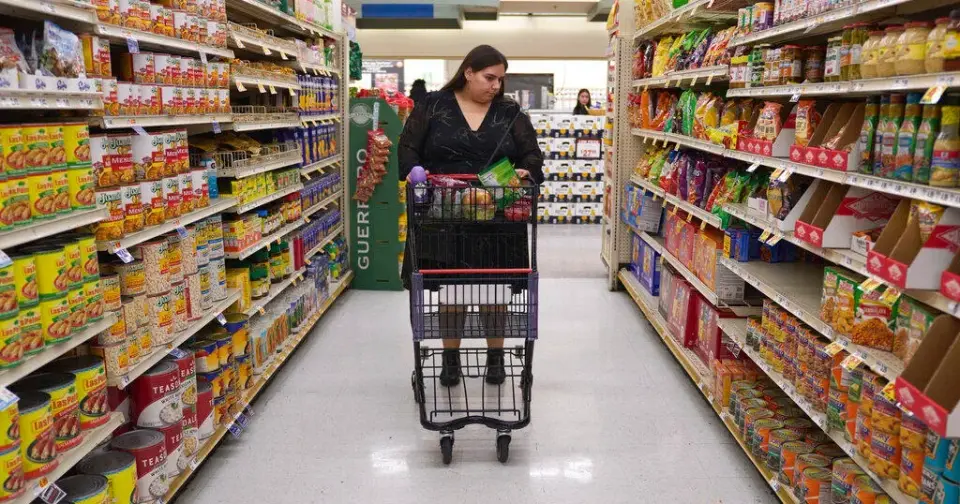
The Supplemental Nutrition Assistance Program (SNAP) has seen a sharp decline in enrollment following the enactment of the 'One Big Beautiful Bill Act' (OBBBA) in July 2025. Approximately 5.2 million Americans have lost benefits, with enrollment reaching its lowest level since 2019. The OBBBA extended work requirements for recipients aged 18 to 64, requiring 80 hours of work or volunteering per month, and shifted 75% of administrative costs to states starting October 1, 2026. While the White House frames these changes as necessary to combat fraud and ensure sustainability, advocates and recipients describe the impact as punitive, citing rising food costs and job market struggles. Arizona has seen a 53% drop in enrollment, and states like Alabama face potential financial penalties that could lead to program withdrawal.
Key points
- 5.2 million Americans have lost SNAP benefits since the OBBBA was signed in July 2025.
- Work requirements now apply to recipients aged 18 to 64, requiring 80 hours of work or volunteering monthly.
- States must cover 75% of administrative costs starting October 1, 2026, up from 50%.
- Arizona’s SNAP enrollment dropped by 53%, the steepest decline among states.
- The average SNAP benefit is approximately $6.25 per person per day, insufficient for a typical meal in 99% of U.S. counties.
Background
SNAP enrollment had been rising in recent years, but the OBBBA introduced significant structural changes. Previous exemptions for parents of children under 18 were narrowed to those with children under 14. The USDA halted its annual food insecurity study in 2025, citing cost and politicization, which has limited data on the program’s impact. Food insecurity rose to 14% of households in 2025, up from 12.5% in 2024, according to Purdue University researchers.
How outlets are covering it
The White House, via spokesperson Anna Kelly, argues that the OBBBA strengthens SNAP by restoring work requirements and cracking down on waste, fraud, and abuse. In contrast, the Food Research & Action Center (FRAC) and anti-hunger advocates describe the changes as 'unprecedented' and 'punitive,' noting that error rates cited by Republicans are often due to routine mistakes like misspellings. CBS News highlights individual cases, such as Lori Covelli, who lost benefits after failing to find work, and Angie Aranda, who struggles to secure a medical waiver. STAT emphasizes the ripple effects on child welfare, suggesting that poverty-related neglect may lead to increased child protective services investigations. Yahoo’s Maine-specific data indicates nearly 23,000 residents lost assistance, though the article’s content was largely obscured by technical code.
Why it matters
The decline in SNAP enrollment exacerbates food insecurity, particularly for vulnerable groups like children and older adults. The shift in administrative costs to states may lead to program withdrawal in some areas, such as Alabama, which faces potential $174 million in additional costs. Rising grocery prices and inflation further strain households, with 32% higher grocery costs since 2020. The changes may also impact child welfare systems, as poverty-related neglect can trigger investigations, potentially separating families.
What to watch
States will face increased financial burdens as they cover 75% of administrative costs starting October 1, 2026. Some states, like Alabama, may consider ending the program if they cannot manage the costs. Advocates are pushing for the reinstatement of the USDA’s food insecurity study to better understand the impact of SNAP cuts. The White House continues to defend the OBBBA as a measure to ensure program sustainability, while critics warn of worsening food insecurity and family separation.
- Millions of Americans are losing SNAP benefits: "It feels as though people are being punished" CBS News
- Pittsburgh schools, community organizations responding to SNAP benefit cuts TribLIVE.com
- Kansas feeds the country as more residents lose access to food assistance WBUR
- Massive SNAP cuts could mean more children are separated from their families STAT
- Almost 23,000 Mainers lost food assistance this year — see how many live in your town Yahoo
Want the full story? Read the original reporting
Read on CBS News