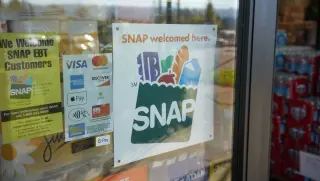
SNAP Benefits Rise Slightly as Federal Cost Shifts to States Take Effect
Starting October 1, 2026, maximum monthly SNAP benefits increase slightly for inflation, while states assume a larger share of administrative costs under new federal law.

All articles tagged with #state funding
Starting October 1, 2026, maximum monthly SNAP benefits increase slightly for inflation, while states assume a larger share of administrative costs under new federal law.
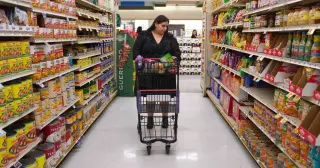
The Supplemental Nutrition Assistance Program (SNAP) has seen a sharp decline in enrollment following the enactment of the 'One Big Beautiful Bill Act' (OBBBA) in July 2025. Approximately 5.2 million Americans have lost benefits, with enrollment reaching its lowest level since 2019. The OBBBA extended work requirements for recipients aged 18 to 64, requiring 80 hours of work or volunteering per month, and shifted 75% of administrative costs to states starting October 1, 2026. While the White House frames these changes as necessary to combat fraud and ensure sustainability, advocates and recipients describe the impact as punitive, citing rising food costs and job market struggles. Arizona has seen a 53% drop in enrollment, and states like Alabama face potential financial penalties that could lead to program withdrawal.
SNAP participation has dropped sharply since the implementation of H.R. 1, with millions of Americans losing benefits due to expanded work requirements and administrative hurdles. As states prepare to absorb 75% of administrative costs starting in October, advocates warn of a crisis in food security, while local economies and food banks struggle to fill the gap left by federal cuts.

Following Dolly Parton's death in August 2026, online rumors claimed Republicans defunded her Imagination Library. Snopes fact-checks reveal that both Republican and Democratic states cut funding in the prior year due to budget deficits, while federal grant rescissions indirectly affected some local partners. Private fundraising and bipartisan efforts are now restoring coverage in several areas.
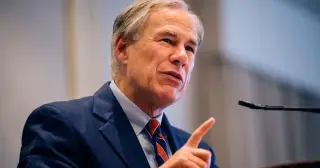
Texas Gov. Greg Abbott launched a review that could revoke current state funding and block future funds for Houston’s IAH and Dallas–Fort Worth’s DFW airports over Islamic ablution stations and a prayer room, arguing the facilities may constitute illegal religious discrimination and urging a federal review; DFW says it will not move forward with the project, though Abbott’s action could still affect funding.
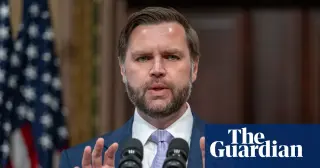
Vice President JD Vance warned that federal Medicaid and Medicare funds could be turned off for states that do not aggressively tackle fraud, as CMS freezes new enrollments for hospice and home health agencies while it investigates; the move, part of a broader anti-fraud push, has drawn criticism that it could punish political rivals and threaten patient access, and its legal basis remains disputed.
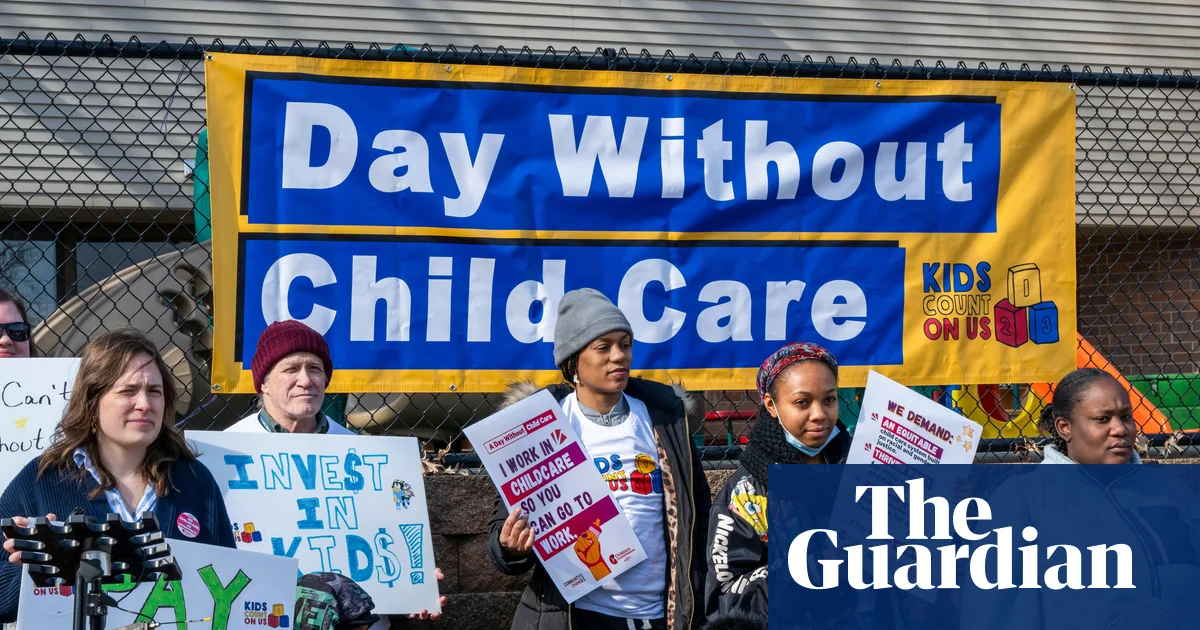
The Department of Health and Human Services has frozen all childcare payments to U.S. states, requiring detailed documentation to ensure funds are used legitimately, amid claims of fraud linked to daycare centers operated by Somali Americans, which has been criticized as part of broader xenophobic attacks by the Trump administration.
A contentious dispute over the Venice Dell affordable housing project in Los Angeles involves city officials, developers, and state authorities, with the state threatening to cut funding and strip zoning powers if the city continues to block the project, which has faced nearly a decade of opposition and legal battles.
At least 25 states plan to cut off SNAP food aid benefits in November due to the ongoing government shutdown, which has halted federal funding and created a crisis for low-income families just before the holiday season, with states scrambling to cover costs and delays expected even if the government reopens soon.
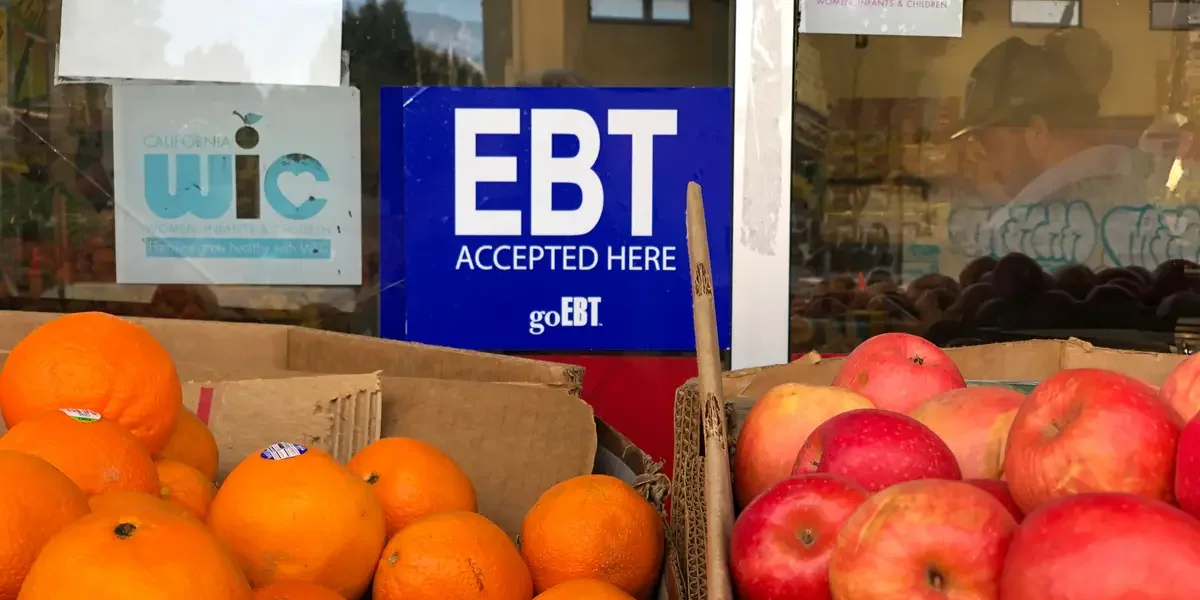
Several states may be unable to distribute November SNAP benefits due to the ongoing government shutdown, potentially leading to smaller or delayed food assistance for 42 million Americans relying on the program, with some states warning benefits won't be paid if the shutdown continues.
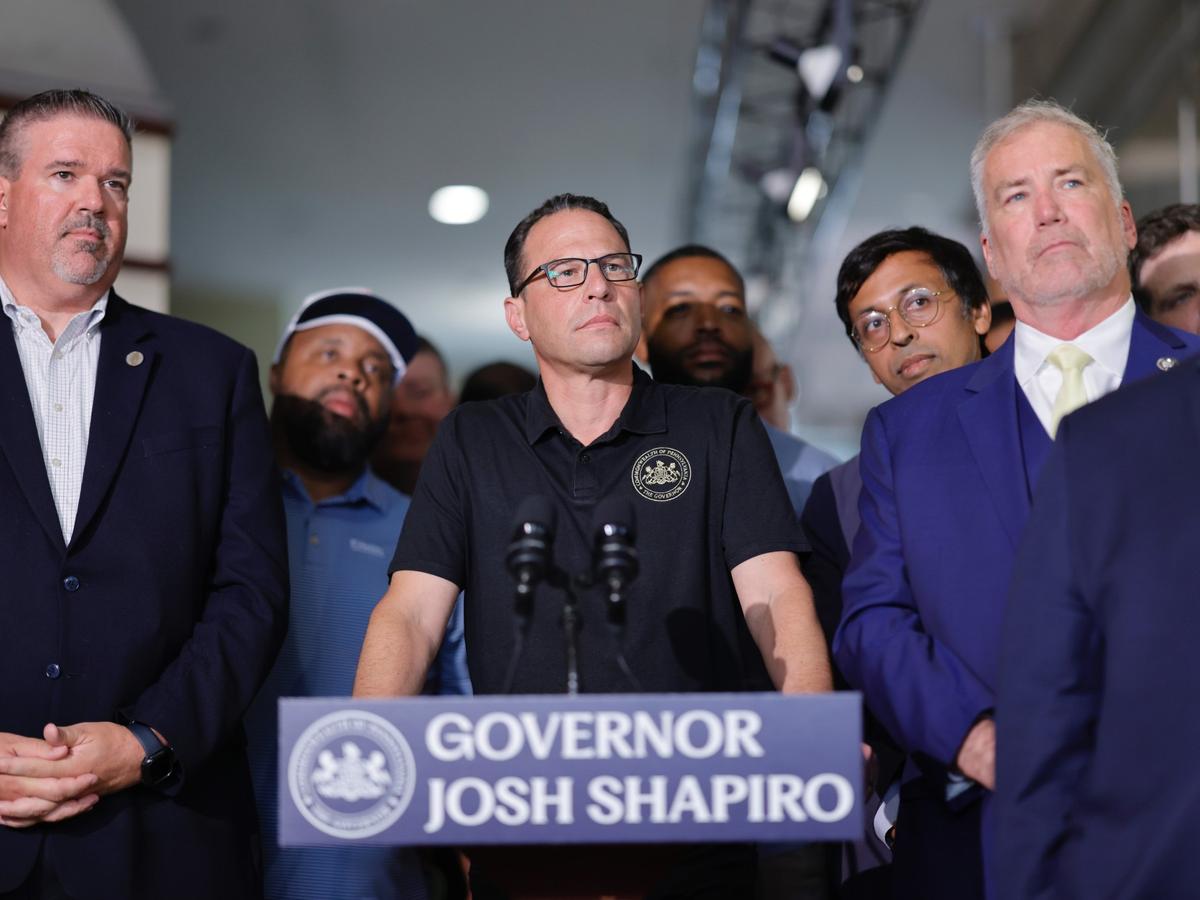
Pennsylvania's Governor Josh Shapiro has proposed a $49.9 billion budget to break a two-month deadlock with state lawmakers, focusing on increased spending and new revenue sources like sin taxes, amid ongoing disagreements over spending priorities, transit funding, and revenue strategies, with negotiations continuing to seek a comprehensive agreement.
Colorado is the first blue state to address a significant budget shortfall through a combination of tax increases, selling tax credits, reallocating funds, and proposing mid-year budget cuts, with political debates over fiscal management and the impact of federal funding.
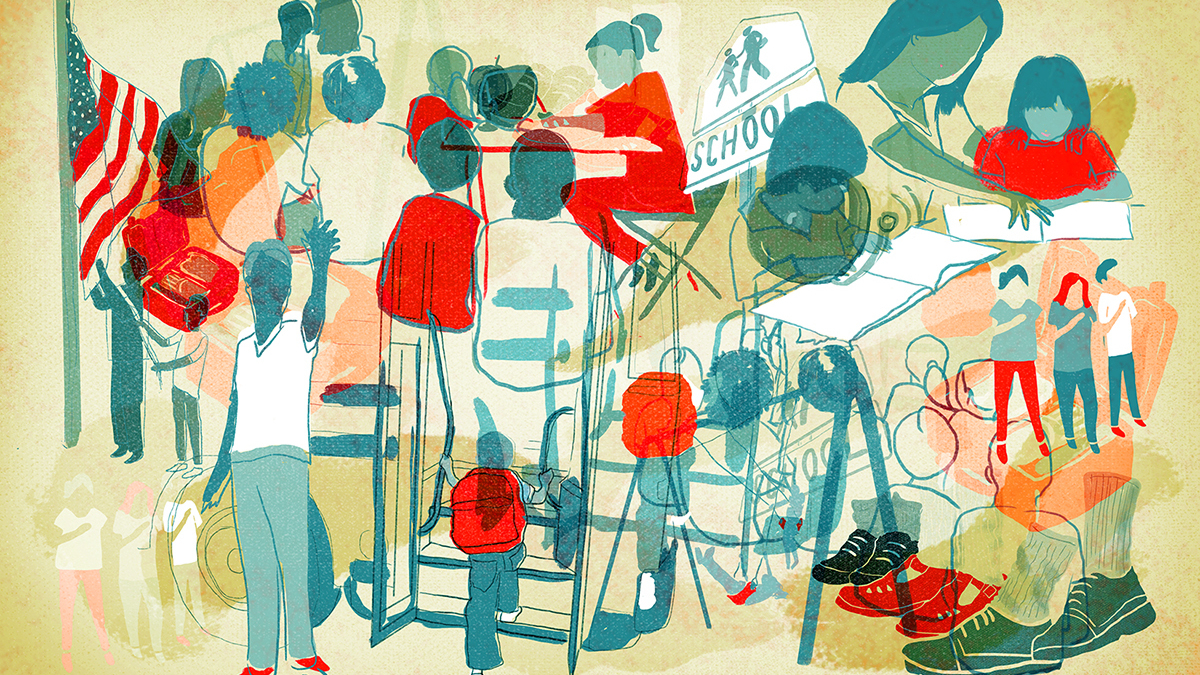
The U.S. Education Department is releasing over $5 billion in previously frozen federal education grants to states, including $2.2 billion for teacher professional development, after delays caused by the Trump administration. The funds, which support various programs like migrant education and English language services, are being released following bipartisan pressure and legal actions, with the goal of alleviating financial strain on school districts.
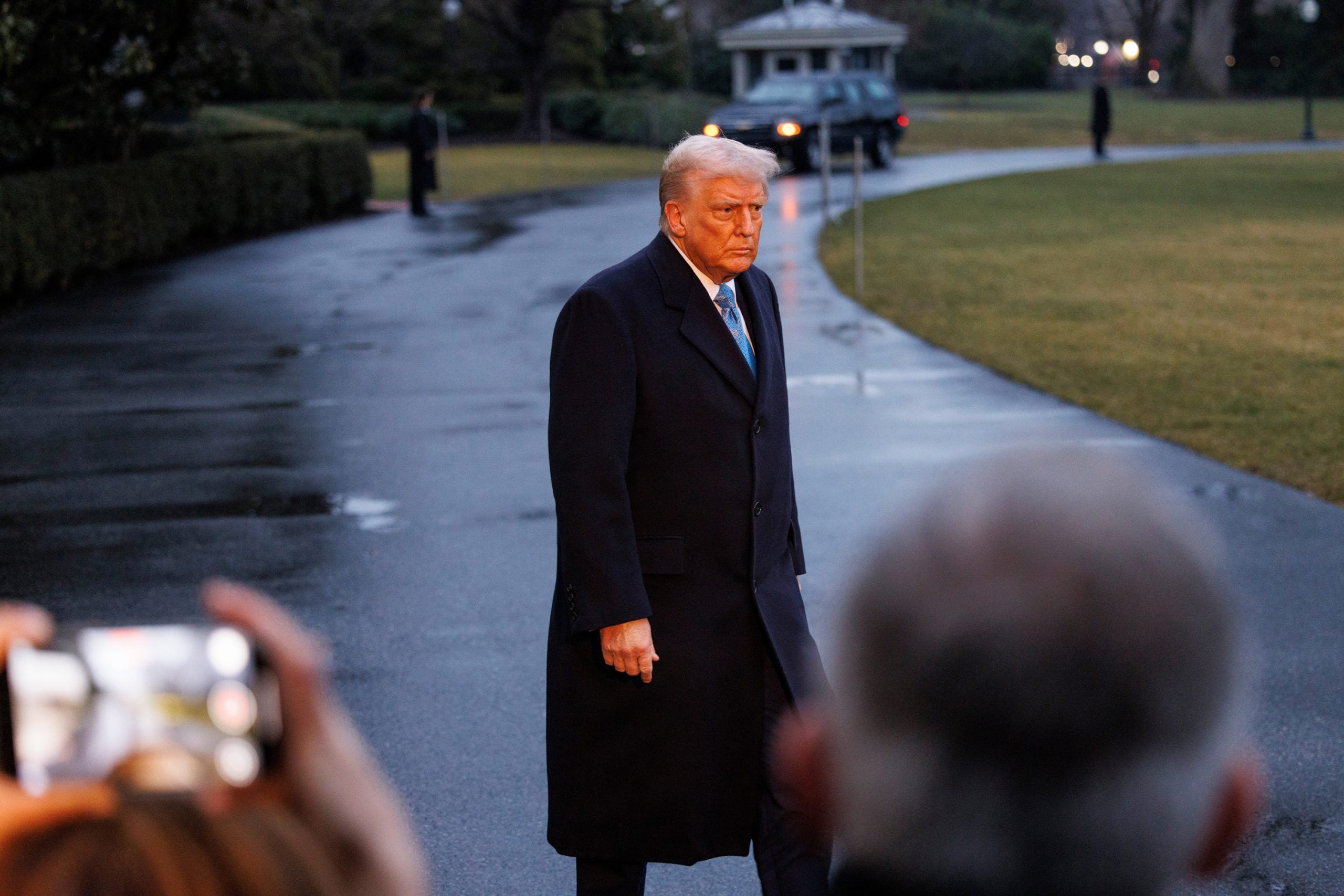
New York State and NYC face significant financial challenges due to the Republican tax and spending bill signed by Trump, which reduces federal aid for Medicaid and food assistance, potentially leading to budget shortfalls and increased pressure on local and state governments to manage social programs and funding. While some officials consider managing existing resources, others call for tax increases to offset the losses, amid concerns about the impact on vulnerable populations and city services.
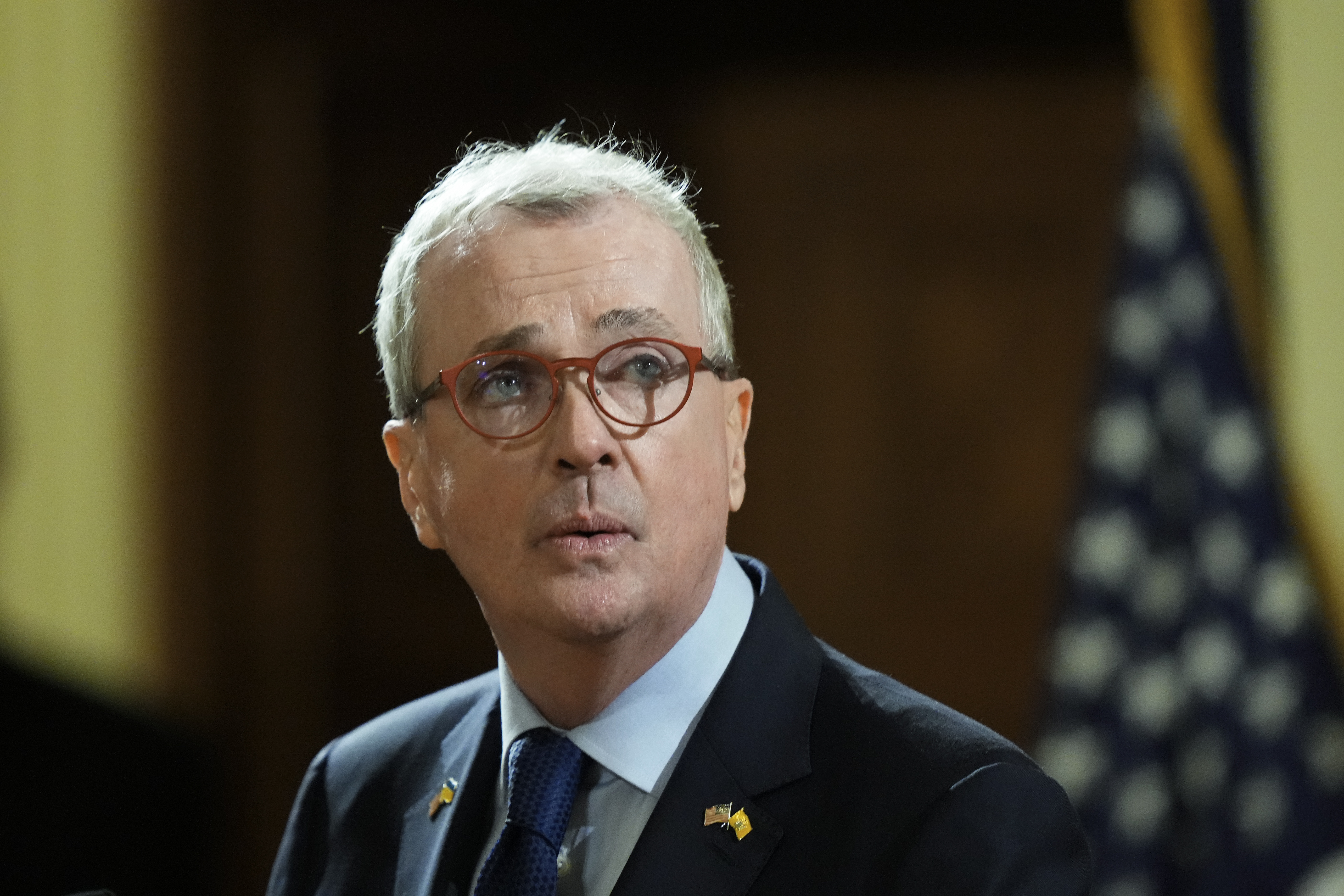
Governor Phil Murphy signed a $58.8 billion budget for New Jersey, facing internal criticism from his own administration and allies over spending priorities, including healthcare, nursing homes, and opioid settlement funds. Despite praise for funding public services and pension contributions, Murphy's final budget also introduces political risks with last-minute additions and internal disagreements, highlighting the challenges of governance in a politically divided environment.