Tag

Food Insecurity

All articles tagged with #food insecurity

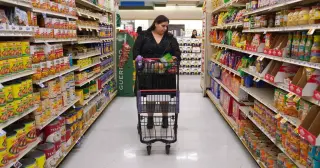
SNAP Enrollment Plummets 13% as New Work Rules and State Costs Strain Food Banks
us-politics29 days ago

SNAP Enrollment Plummets 13% as New Work Rules and State Costs Strain Food Banks

US food stamp enrollment dropped 13% to 36.5 million by June 2026, following the One Big Beautiful Act. The law expanded work requirements to ages 18-64 and shifted 75% of administrative costs to states. While the administration frames this as a success for workforce participation, advocates report rising hunger, overwhelmed food banks, and processing backlogs that leave eligible families without aid.


WFP slashes Gaza food aid by 30% as funding crisis deepens
world1 month ago

WFP slashes Gaza food aid by 30% as funding crisis deepens

The World Food Programme (WFP) is drastically cutting aid to Gaza, reducing support from 1.6 million to 1.1 million people due to severe funding shortages. Hot meals will drop from 250,000 to 150,000 daily, and rations are halved. With 67% of Gaza’s population facing crisis-level hunger and winter approaching, the agency warns of a potential famine return. The WFP urgently needs $450 million to maintain critical operations through March 2027.

WFP slashes Gaza food aid by a third as funding collapses
world1 month ago

WFP slashes Gaza food aid by a third as funding collapses

The UN World Food Programme (WFP) is drastically cutting food assistance in Gaza due to severe funding shortages, leaving approximately 500,000 people without monthly support. The agency now serves only 1.1 million people, down from 1.6 million, with rations halved and hot meals reduced. Two-thirds of Gaza’s population faces crisis-level food insecurity as winter approaches, with no reconstruction progress despite a year-old ceasefire.

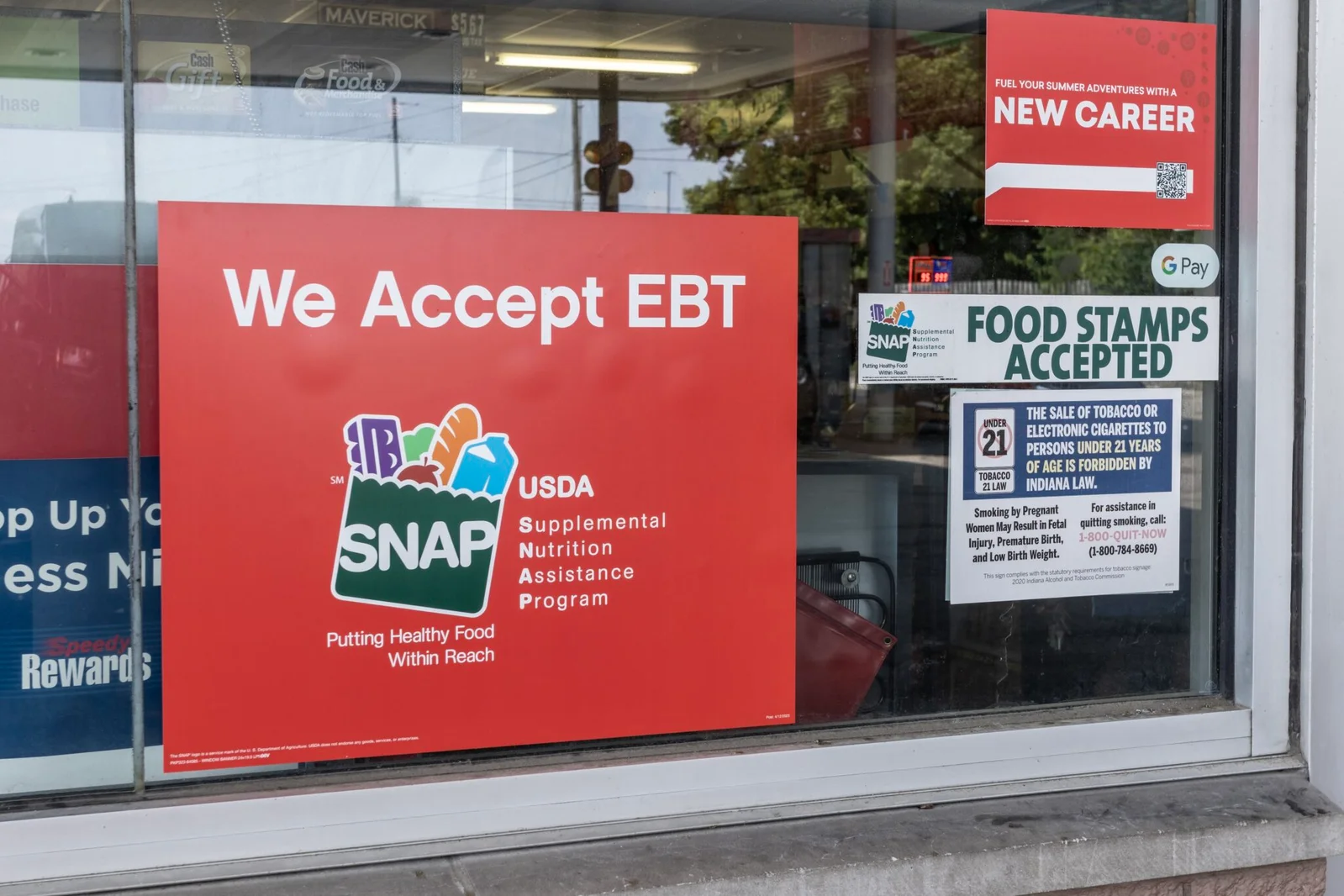
SNAP Enrollment Plummets as New Work Rules and Cost Shifts Disrupt Food Aid
economy1 month ago

SNAP Enrollment Plummets as New Work Rules and Cost Shifts Disrupt Food Aid

The Supplemental Nutrition Assistance Program (SNAP) has seen a sharp decline in enrollment following the enactment of the 'One Big Beautiful Bill Act' (OBBBA) in July 2025. Approximately 5.2 million Americans have lost benefits, with enrollment reaching its lowest level since 2019. The OBBBA extended work requirements for recipients aged 18 to 64, requiring 80 hours of work or volunteering per month, and shifted 75% of administrative costs to states starting October 1, 2026. While the White House frames these changes as necessary to combat fraud and ensure sustainability, advocates and recipients describe the impact as punitive, citing rising food costs and job market struggles. Arizona has seen a 53% drop in enrollment, and states like Alabama face potential financial penalties that could lead to program withdrawal.

Arlington Tops 2026 Fitness Index as Cities Struggle with Food Insecurity and Air Quality
health4 months ago

Arlington Tops 2026 Fitness Index as Cities Struggle with Food Insecurity and Air Quality

Arlington, VA leads the 2026 ACSM fitness index, with DC, Minneapolis, Seattle and Denver following; Oklahoma City is at the bottom. The report ties healthier personal and community environments to access to parks, trails, and transit, while food insecurity rises in nearly all large cities due to higher grocery prices and SNAP changes. Air quality and asthma influence outdoor activity, and cities like Richmond, Charlotte, Virginia Beach, and Durham posted notable gains as officials echo the idea that exercise is medicine.

Food Insecurity Deepens Consumer Pessimism in a Split Economy
economics5 months ago

Food Insecurity Deepens Consumer Pessimism in a Split Economy

A New York Fed analysis using the Survey of Consumer Expectations finds rising food insecurity since 2020—disproportionately among lower‑income, less‑educated households and those with children—alongside a sharp drop in consumer optimism and job-finding prospects. Despite solid macro indicators, sentiment remains weak, reflecting a K‑shaped economy where the bottom half faces renewed financial strain. The study links higher insecurity to deteriorating outlooks, while acknowledging that inflation, cost of living, and policy changes (e.g., SNAP) also drive pessimism and that multiple factors influence consumer expectations even among those not reporting food insecurity.

New York Fed flags a surge in food insecurity as costs bite lower-income families
economy6 months ago

New York Fed flags a surge in food insecurity as costs bite lower-income families

A Federal Reserve Bank of New York study updates a 2020 analysis with fresh data from its Survey of Consumer Expectations, finding a “remarkable” rise in food insecurity in early 2026—especially among lower-income households and families with young children—where 10% report not having enough food in February, up from 4% in 2020. Increases in food donations and SNAP participation, plus more households dipping into savings, accompany a shift in sentiment as Americans face higher costs and waning pandemic-era aid, highlighting persistent inequality in a K-shaped economy. The report notes the data predated the Middle East oil shock and does not claim a causal link between insecurity and consumer sentiment.

IMF warns war in Iran will leave a lasting drag on world growth
world7 months ago

IMF warns war in Iran will leave a lasting drag on world growth

The IMF lowers its global growth outlook and flags the Iran conflict as a lasting drag on the world economy, planning between $20–$50 billion in emergency balance‑of‑payments support while cautioning there will be no neat return to pre‑war conditions; the crisis drives energy costs higher, disrupts supply chains and undermines market confidence, with about 45 million people facing food insecurity. The World Bank also signals slower regional growth and says up to $25 billion can be mobilized quickly for affected developing countries, with as much as $60 billion available over the longer term.

Tennessee Gov. Lee Declines Federal Summer Food Aid Amid Urging from Mayors and Congressmen
working-and-the-economy10 months ago

Tennessee Gov. Lee Declines Federal Summer Food Aid Amid Urging from Mayors and Congressmen

Governor Bill Lee of Tennessee has declined to accept over $84 million in federal funds for summer food assistance for low-income children, opting instead for a smaller, state-funded program that covers only 15 counties, leaving many children in urban areas without support. Despite urging from community leaders and advocates, the decision aligns with a broader Republican trend of rejecting federal welfare expansion, potentially impacting thousands of hungry children and the local economy.