
U.S.-Canada Tariff Escalation Sparks Volatile Metals Rally and Deepens Border Economic Fractures
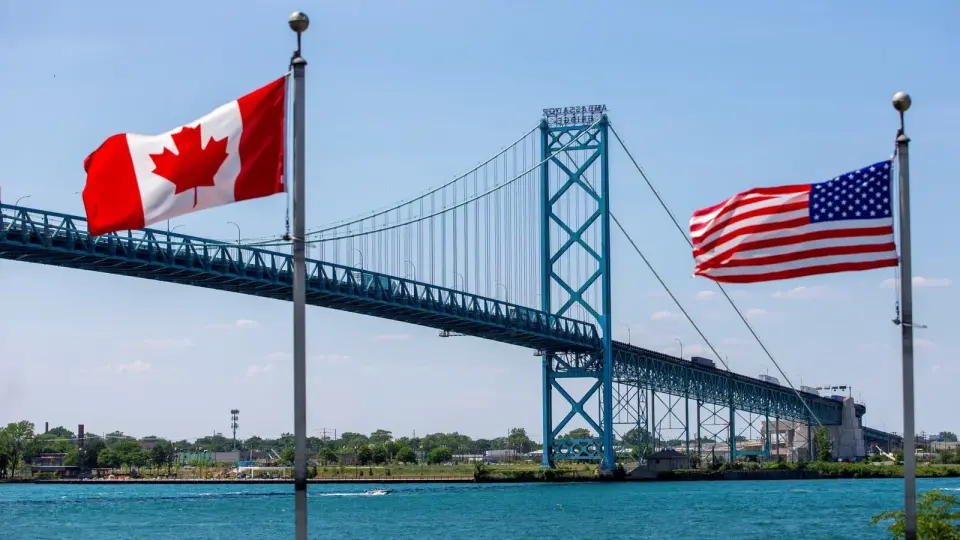
The U.S. and Canada have entered a new phase of trade conflict, with Washington imposing 50% tariffs on Canadian goods and Ottawa retaliating with $20 billion in levies on over 700 U.S. products. While steel and aluminum stocks initially surged, analysts warn that the long-term impact on integrated supply chains, particularly in the auto sector, will likely raise costs for American manufacturers. The dispute has also caused tangible hardship for border communities, such as the Blackfeet Nation, and prompted Ontario Premier Doug Ford to label the move 'devastating' for both economies.
Key points
- U.S. 50% tariffs on Canadian goods are met by Canada's $20 billion retaliatory tariffs, effective Sept. 8, covering items like dairy, seafood, and appliances.
- Steel and materials ETFs (SLX, XLB) saw a sharp initial rally but ended the week flat or negative, reflecting market uncertainty.
- Experts warn that while U.S. steel producers may benefit, the auto sector has no clear winners due to highly integrated cross-border supply chains.
- The Blackfeet Nation in Montana faces severe economic strain, with members losing access to affordable Canadian parts and seeing a drop in tourism revenue.
- Ontario Premier Doug Ford criticized the tariffs as 'backwards' and 'devastating,' noting that 60% of U.S. crude oil imports come from Canada.
Background
This escalation follows earlier tensions in August 2026, where Trump threatened 50% tariffs on Canadian autos and metals, prompting Canadian vows of retaliation. Prior to this, U.S. stocks had edged higher as traders priced in trade tensions, while Canadian tourism to the U.S. had already fallen by 9.3% year-over-year. Canadians have also begun pivoting away from U.S. products, signaling a potential lasting reorientation of consumer behavior.
How outlets are covering it
CNBC emphasizes the financial volatility, noting that while steel stocks like Nucor and Cleveland-Cliffs initially jumped, the gains were short-lived as the market grappled with complex supply chain disruptions. The outlet highlights that U.S. aluminum remains heavily import-dependent on Canada, making tariffs a 'manageable headwind' for American manufacturers. The Washington Post focuses on the human impact, detailing how the Blackfeet Nation's members are facing financial losses due to higher part costs and reduced tourism, with some members having sued the administration over property rights. ABC News captures the political dimension, featuring Ontario Premier Doug Ford's strong opposition to the tariffs, which he described as 'devastating' for the U.S. economy, and his criticism of Trump's renaming of Lake Ontario to 'Lake America.'
Why it matters
The trade war threatens to disrupt deeply integrated North American supply chains, particularly in the auto and metals sectors, potentially raising costs for U.S. consumers and manufacturers. The conflict also highlights the vulnerability of border communities and the potential for long-term economic reorientation, as companies and consumers adjust to new tariff regimes.
What to watch
Canada's retaliatory tariffs are set to take effect on Sept. 8, and Trump has threatened to double auto tariffs on Canada starting Jan. 1, 2027. Companies are expected to continue adjusting their supply chains, with some potentially permanently relocating operations to avoid tariff uncertainty. The Blackfeet Nation's lawsuit, though dismissed on jurisdictional grounds, may see further legal challenges as the economic impact deepens.
- What new tariff walls in U.S.-Canada trade war mean for the economy's critical metals CNBC
- Carney Has Canadians’ Support on Trump. Now Comes the Hard Part. The New York Times
- A Native tribe’s way of life was threatened by Canada tariffs. More are coming. The Washington Post
- Ontario's premier says trade war would be 'devastating' for US and Canada ABC News - Breaking News, Latest News and Videos
- Untested in court, Trump's new tariffs on Canada raise legal questions PBS
Want the full story? Read the original reporting
Read on CNBC