
Trump Waives Federal Diesel Tax to Curb Record Fuel Costs
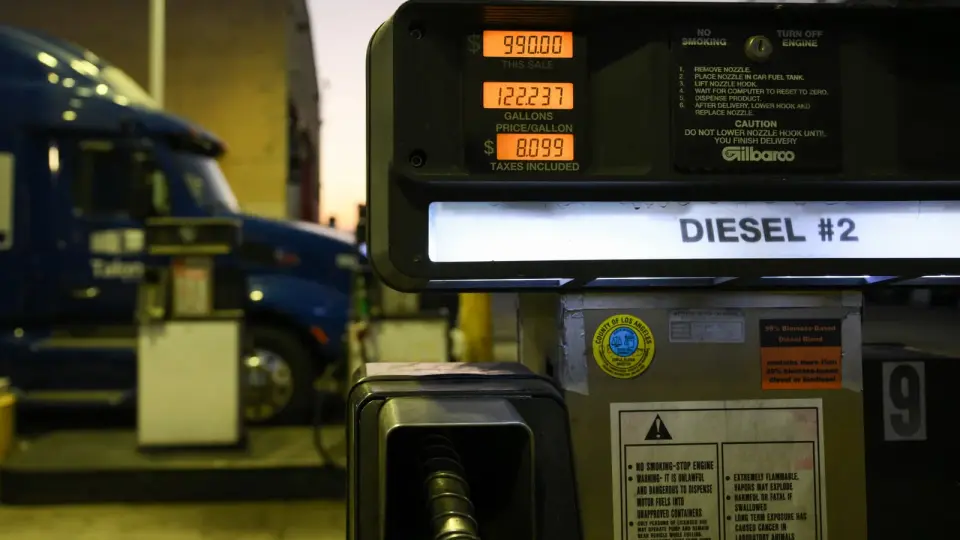
President Donald Trump signed an executive order on October 5, 2026, allowing the use of tax-exempt 'red dye' diesel on public highways. The move defers the 24.4-cent federal excise tax through the end of the year, aiming to lower costs for truckers and farmers as national diesel prices hit a record $6 per gallon in September.
Key points
- The executive order permits the use of red-dyed diesel, previously restricted to off-road vehicles, for highway transportation.
- The federal diesel tax of 24.4 cents per gallon is deferred through December 2026 without interest or penalties.
- The White House estimates the move could save truckers over $100 per fill-up, especially in states that match the federal waiver.
- The U.S. national average diesel price exceeded $6 per gallon in September, the first time in history.
- The Treasury Department is directed to explore ways to eliminate the deferred tax obligations entirely.
Background
Diesel prices have surged due to global supply constraints linked to the war in Ukraine and conflicts in Iran, which have disrupted refining capacity and export flows. In September, Trump urged Ukraine to halt strikes on Russian refineries to ease the shortage. Americans are currently spending approximately $700 million more per day on fuel than a year ago, with households facing an estimated $350 in additional costs.
How outlets are covering it
The White House and CNBC frame the order as a decisive affordability measure to help truckers and farmers cope with record-high costs, citing tight global supply and lack of refining capacity. MS NOW highlights the political context, noting the move occurred during a campaign rally in Nebraska ahead of the midterm elections, where voters expressed frustration with high prices despite Trump's assurances that costs would soon drop. While the administration emphasizes immediate savings, critics note the fuel is chemically identical to taxed diesel and the move may reduce federal revenue.
Why it matters
The policy directly impacts transportation costs for freight and agriculture, sectors critical to the U.S. economy. By waiving the federal tax, the administration aims to alleviate inflationary pressure on goods and services, potentially influencing voter sentiment in competitive midterm races. The move also signals a shift in energy policy, prioritizing short-term consumer relief over long-term tax revenue stability.
What to watch
The Treasury Department will coordinate with the Department of Defense to implement the tax deferral and explore pathways to eliminate the deferred obligations. States may choose to match the federal waiver, further increasing savings for consumers. The effectiveness of the measure will be assessed in the coming weeks as diesel prices fluctuate in response to global supply dynamics and the outcome of the midterm elections.
- Trump allows cheaper, dyed diesel on highways to blunt historic fuel-cost spike ahead of midterms CNBC
- Trump opens red-dyed diesel to truckers in bid to slash fuel costs Fox Business
- Watch Trump Eases Dyed Diesel Limits in Bid to Lower Fuel Costs Bloomberg.com
- President Trump Takes Decisive Action to Lower Diesel Costs for American Truckers, Farmers The White House (.gov)
- In Nebraska, Trump tackles the GOP’s problem at the pump as voters decry ‘very high’ costs MS NOW
Want the full story? Read the original reporting
Read on CNBC