
Winter heating costs surge 113% as LIHEAP benefits leave low-income families facing a $500 gap
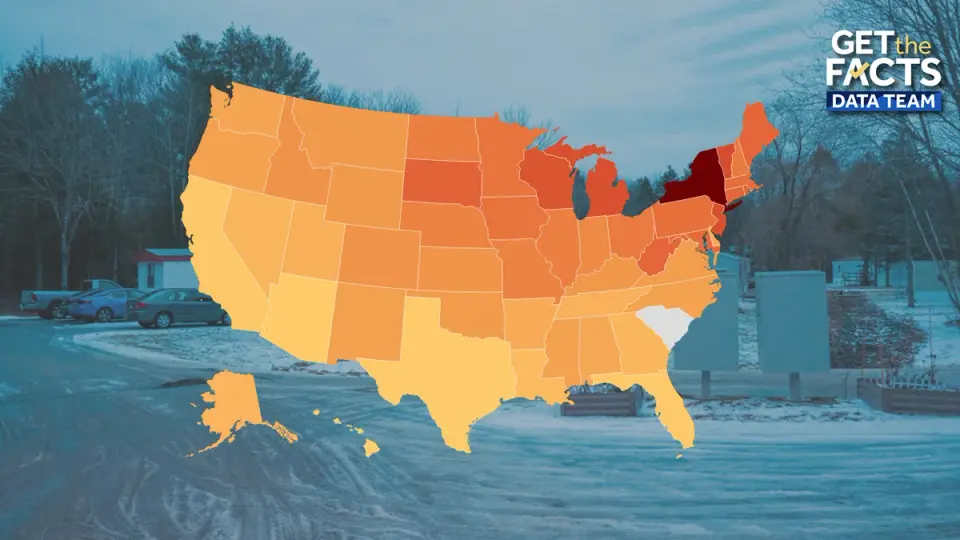
U.S. households face an average winter heating bill of $1,030, up $82 from last year, while Low Income Home Energy Assistance Program (LIHEAP) benefits average only $467. This leaves a shortfall of over $500 for nearly 5 million assisted households. Heating oil prices have spiked 113% year-over-year to $4.79 per gallon due to Middle East conflicts and supply disruptions. NEADA urges Congress to triple LIHEAP funding from $4 billion to $7 billion to prevent utility delinquencies.
Key points
- Average U.S. heating costs are projected at $1,030 for the winter, an $82 increase from the previous year.
- LIHEAP benefits averaged $467 in fiscal year 2025, leaving a gap of over $500 for recipients.
- Heating oil prices reached $4.79 per gallon on September 29, up 113% from a year earlier.
- The National Energy Assistance Directors Association (NEADA) is urging Congress to increase LIHEAP funding from $4 billion to $7 billion.
- Crude oil prices remain above $100 per barrel due to ongoing conflicts in the Middle East, specifically involving Iran.
Background
Previous coverage in September 2026 highlighted that Northeastern households faced the steepest heating cost increases, with typical expenditures projected around $2,297 for heating oil. Earlier reports noted that despite a warmer El Niño, rising oil and electricity prices drove the overall cost increase. The current situation reflects a sharp acceleration in price volatility, with heating oil now at a 96th percentile historical high.
How outlets are covering it
WBAL and 24/7 Wall St. emphasize the severe financial strain on low-income families, noting that heating oil costs have more than doubled. WBAL highlights the political push for increased federal funding, while 24/7 Wall St. focuses on the market mechanics, such as the 'crack spread' and dealer pricing strategies. WMTW provides a regional perspective from Maine, where Governor Janet Mills has urged Congress for more funding, while Senator Susan Collins advocates for alternative heating sources like natural gas pipelines. Yahoo Finance's source was inaccessible due to a technical error, so its perspective could not be synthesized.
Why it matters
The widening gap between rising energy costs and fixed assistance benefits threatens to push millions of low-income households into utility delinquency. This financial strain could force families to cut spending on food, housing, and healthcare, exacerbating economic inequality during the winter months.
What to watch
Congress is expected to debate the NEADA proposal to increase LIHEAP funding to $7 billion. Households are advised to review their heating contracts, potentially opting for capped prices rather than fixed prepayments to mitigate risks if oil prices fluctuate. State officials, such as in Maine, are urging residents to apply for assistance before funds are exhausted.
- LIHEAP heat benefits may fall short as winter bills jump, new data shows WBAL-TV
- ‘A lot of sticker shock’: Home heating costs surge for millions amid oil crisis Yahoo Finance
- Sen. Susan Collins responds to Gov. Janet Mills' calls to approve increased LIHEAP funding WMTW
- 'Can't Wait to Heat My House in Connecticut This Winter': Odd Lots Host as Heating Oil Hits $4.79 a Gallon, Up 113% 24/7 Wall St.
- Why millions of Americans may have no warm winter nights this year usatoday.com
Want the full story? Read the original reporting
Read on WBAL-TV