
Analysts Reject Trump’s Claim That Ukrainian Strikes Drive Record Diesel Prices
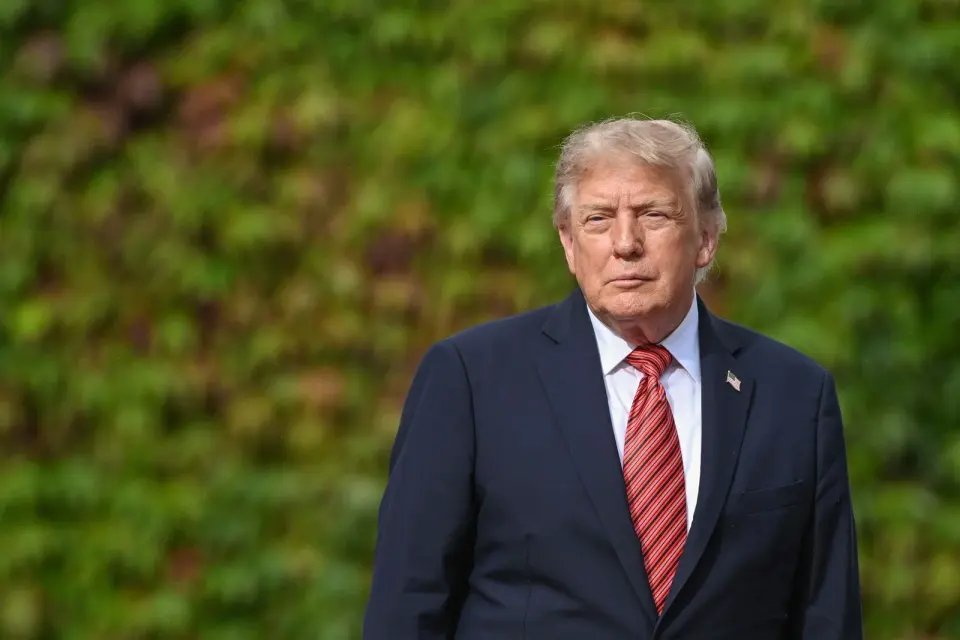
U.S. President Donald Trump has urged Ukraine to halt drone strikes on Russian refineries, arguing these attacks are the primary cause of record-high diesel prices. However, energy experts and data indicate that the U.S.-Israeli conflict with Iran and the closure of the Strait of Hormuz are the dominant drivers of the price surge. While Ukrainian strikes have reduced Russian exports, the global impact is significantly smaller than the disruption caused by the Gulf conflict.
Key points
- U.S. diesel prices have risen from approximately $3.60 per gallon in February 2026 to a record $6.23 per gallon.
- Trump claimed on September 13 and 15 that Ukraine and Russia agreed to an energy ceasefire, a claim Ukraine’s President Volodymyr Zelensky disputed as unverified.
- The Atlantic Council’s Alan Riley states that 'almost all' of the price rise is due to the U.S.-Israeli war with Iran, not the Russia-Ukraine conflict.
- A KSE Institute study found that Persian Gulf exports fell by 152 million barrels between March and August, compared to a 68 million-barrel drop in Russian exports.
- Russia, historically a top diesel exporter, has begun importing fuel, with August 2026 imports tripling compared to the entire year of 2025.
Background
This development follows a series of statements by President Trump in September 2026 urging Kyiv to stop targeting Russian energy infrastructure. Previous coverage noted that while back-channel talks occurred, Kyiv maintained skepticism regarding Moscow’s willingness to abide by any agreement without guarantees. The current dispute highlights the tension between domestic U.S. political pressures regarding fuel costs and the strategic reality of the ongoing conflict.
How outlets are covering it
The Kyiv Independent and Axios present a critical view of Trump’s narrative, emphasizing that his claims lack evidentiary support. The Kyiv Independent cites the Atlantic Council and KSE Institute to argue that the Iran conflict is the primary driver of price spikes, while Axios notes that market movements following Trump’s posts may be driven by speculation rather than factual accuracy. Conversely, Trump’s administration maintains that halting Ukrainian strikes would ease global shortages, a position Zelensky rejects, stating Ukraine is not convinced Russia will honor any agreement. CNN’s source was inaccessible due to a technical error, so its perspective could not be synthesized.
Why it matters
The accuracy of this attribution matters for global energy policy and U.S. domestic politics. If Ukrainian strikes are not the primary cause of high diesel prices, pressuring Kyiv to halt them may not yield the desired economic relief for U.S. consumers ahead of the November midterm elections. Furthermore, the dispute highlights the volatility of energy markets, where geopolitical conflicts in both the Black Sea and the Persian Gulf are simultaneously straining global refining capacity and supply chains.
What to watch
Investors and policymakers will monitor whether diesel prices stabilize if the U.S.-Israeli conflict de-escalates, independent of Ukrainian actions. Ukraine is likely to continue its strike campaign unless it receives concrete assurances from allies regarding Russian compliance. The Truth Social API lawsuit may also face further legal scrutiny as the administration continues to use the platform to influence market perceptions.
- There's one massive problem with Trump's Ukraine diesel price theory The Kyiv Independent
- Why Trump’s diesel woes are playing right into Moscow’s hands CNN
- Russian Offensive Campaign Assessment, September 14, 2026 Institute for the Study of War
- Russia, Ukraine Trade Aerial Strikes After Trump’s Claim of Truce WSJ
- How Trump's posts can still matter for investors Axios
Want the full story? Read the original reporting
Read on The Kyiv Independent