
U.S. Secures 35% Stake in Venezuelan Oil via NABEP Deal Amid Controversy
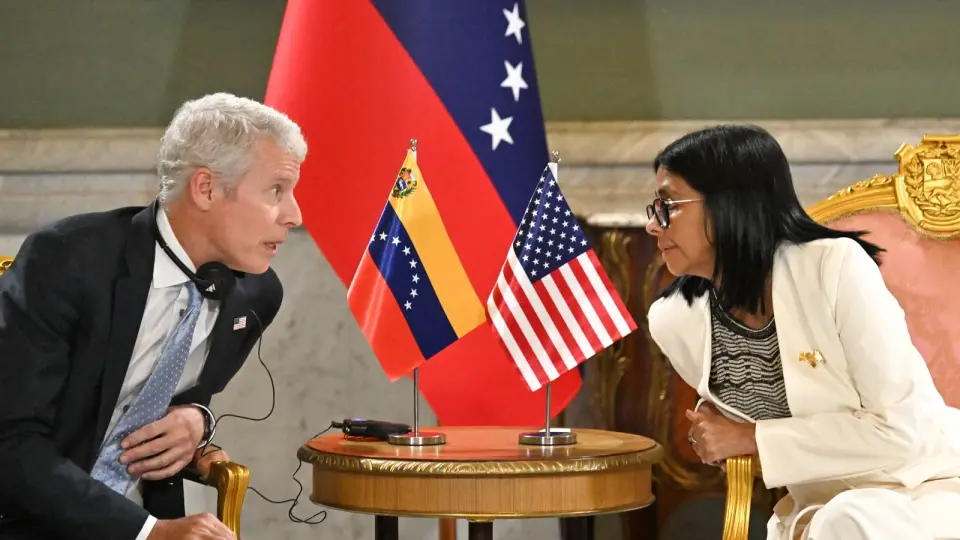
The U.S. government has secured a 35% equity stake in North American Blue Energy Partners (NABEP), a private operator controlling 17 Venezuelan oilfields, as part of a broader strategy to increase oil production. Energy Secretary Chris Wright claims these deals, alongside a $7 billion Chevron investment, will double Venezuela’s output by 2027. While proponents argue this replaces Russian and Chinese influence with Western investment, critics describe the arrangement as neocolonial gunboat diplomacy that prioritizes U.S. commercial interests over Venezuelan sovereignty.
Key points
- The U.S. government holds a 35% equity stake in NABEP, which operates 17 oilfields in Venezuela for up to a century, with the State Department holding a 20% output right.
- Chevron has committed $7 billion to three projects, aiming to double its production to 600,000 barrels per day within five years.
- Energy Secretary Chris Wright asserts that total Venezuelan energy production will more than double by the end of 2027, driven by U.S. investment and infrastructure.
- The deals were signed by Interim President Delcy Rodriguez following the January 2026 U.S. military operation that removed Nicolás Maduro from power.
- Critics, including Nobel laureate María Corina Machado, argue the deal excludes democratic opposition and hands sovereign resources to foreign interests without adequate local benefit.
Background
Venezuela’s oil production peaked at 3.5 million barrels per day in 1997 before collapsing to under 1 million barrels per day in 2025 due to mismanagement and sanctions. The country holds over 300 billion barrels of proven reserves, roughly 20% of the world’s total, but currently produces only about 1% of global output. Previous attempts to revive the sector were hindered by infrastructure decay and political instability, leading to mass emigration and economic decline.
How outlets are covering it
CNBC and Fox News emphasize the economic and strategic benefits, with Wright framing the deals as a replacement for Russian and Chinese exploitation and a source of jobs for U.S. refineries. The Washington Post notes that Secretary of State Marco Rubio’s support for the deal has strained relations with some Latin American allies who view it as a threat to sovereignty. The Guardian editorial criticizes the arrangement as 'gunboat diplomacy,' arguing that the U.S. is using military leverage to secure commercial concessions that may not lower gas prices before the midterms. While U.S. officials claim the deals will channel revenues to the Venezuelan people, critics like María Corina Machado argue that the resources belong to the nation and that the exclusion of democratic opposition undermines legitimate governance.
Why it matters
The outcome of these deals will determine whether Venezuela can recover its status as a major oil producer and whether U.S. energy security can be bolstered without exacerbating geopolitical tensions. The success of the NABEP and Chevron investments will influence global oil prices, U.S. refining capacity, and the balance of power in Latin America, potentially setting a precedent for U.S. intervention in resource-rich nations.
What to watch
Investors and analysts are watching for actual production increases from NABEP and Chevron to validate the 2027 doubling target. The U.S. Federal Reserve is expected to address the impact of high oil prices on inflation and interest rates at its October 16 meeting. Meanwhile, political opposition in Venezuela and diplomatic friction in Latin America may intensify as the long-term effects of the NABEP concessions become apparent.
- I went to Caracas for Venezuela’s new oil deals. Here’s what stood out CNBC
- Venezuelan Oil Deal Is High Risk and Low Return Bloomberg.com
- Top Trump official reveals how 30-minute military op unlocked Venezuela oil windfall for US buyers Fox News
- Marco Rubio enjoyed major support among Venezuelans. Then came Trump’s oil deal. The Washington Post
- The Guardian view on Donald Trump’s oil deal: Venezuela pays for his vanity | Editorial The Guardian
Want the full story? Read the original reporting
Read on CNBC