
Army seeks emergency exemption to detonate unstable lead azide in Iowa despite court halt
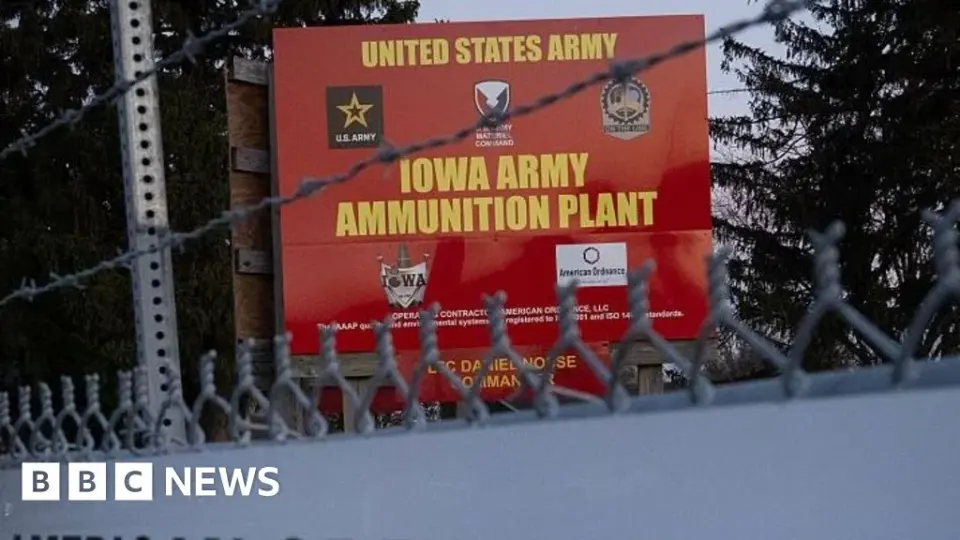
The U.S. Army is seeking an emergency court exemption to detonate approximately five tons of unstable lead azide at the Iowa Army Ammunition Plant in Middletown by Tuesday, November 24. This move follows a federal appeals court order that paused the Environmental Protection Agency’s permit for the blast. The Army argues that deteriorating materials and forecasted temperature drops create an imminent risk of an uncontrolled explosion, necessitating immediate action. Environmental groups and local officials oppose the detonation, citing fears of toxic lead dust spreading across rural Iowa and into Illinois, and argue that safer chemical neutralization options were improperly rejected.
Key points
- The Army filed court records indicating an intent to detonate the material by Tuesday, November 24, despite a federal appeals court order pausing the EPA permit.
- The Army argues that deteriorating materials and forecasted temperature drops create an imminent risk of an uncontrolled explosion, necessitating an emergency exemption.
- Environmental groups and local officials oppose the detonation, citing fears of toxic lead dust spreading across rural Iowa and into Illinois.
- Critics argue that safer chemical neutralization options were improperly rejected and that the public was not adequately informed of the risks.
- The Justice Department opposes the stay, citing imminent safety hazards, while the Army and EPA insist that mitigation measures will minimize public risk.
Background
This situation follows a federal appeals court order that temporarily suspended the EPA permit for the detonation of approximately five tons of unstable lead azide at the Iowa Army Ammunition Plant in Middletown. The blast, originally scheduled for November 20 and postponed to November 23, was blocked after environmental groups sued over concerns that the explosion would spread toxic lead dust across farmland, waterways, and communities. The Army argues the material is too volatile to transport safely, while critics contend the detonation poses unacceptable health risks and that safer chemical neutralization options were improperly rejected.
How outlets are covering it
The Army and EPA maintain that the controlled detonation is the safest option to eliminate an imminent hazard, citing the material's extreme instability and the risk of further destabilization due to forecasted temperature drops. They emphasize that officials have meticulously planned for the event and will take extreme mitigation measures to ensure public safety. In contrast, environmental groups, local officials, and politicians in Iowa and Illinois argue that the detonation poses unacceptable health risks, particularly regarding lead exposure, and that the public was not adequately informed. They contend that safer chemical neutralization options were improperly rejected and that the federal government cannot be trusted to adequately inform residents about the risks. The Justice Department opposes the court's stay, citing imminent safety hazards, while the Army and EPA insist that mitigation measures will minimize public risk.
Why it matters
The detonation of unstable lead azide in Iowa has significant implications for public health and environmental safety, as lead exposure is known to cause serious harm to children's health, resulting in slowed growth and development, as well as problems with learning, behavior, hearing, and speech. The potential spread of toxic lead dust across rural Iowa and into Illinois raises concerns about the long-term health impacts on communities and the environment. The legal dispute over the detonation highlights the tension between immediate safety concerns and the need for thorough environmental and public health assessments. The outcome of this case could set a precedent for how similar hazardous material disposal decisions are handled in the future.
What to watch
The Army's request for an emergency exemption to proceed with the detonation by Tuesday, November 24, will be reviewed by the federal appeals court. The court's decision will determine whether the detonation can proceed despite the current stay. Environmental groups and local officials are likely to continue opposing the detonation, citing concerns about public health and environmental safety. The Justice Department's opposition to the stay and the Army's insistence on the necessity of the detonation will likely be central to the court's deliberations. The outcome of this case will have significant implications for the future handling of hazardous materials and the balance between immediate safety concerns and long-term environmental and public health considerations.
- US Army to detonate tonnes of unstable explosives in Iowa despite court order BBC
- Noon Sunday deadline set in Iowa Army blast challenge; Fort Madison says detonation could come Monday or Tuesday WQAD
- US Army tells court it intends to detonate bomb-making material in Iowa by Tuesday despite pause. Here’s what we know CNN
- Army plans to go ahead with detonation by Nov. 24, according to DOJ filing Iowa Capital Dispatch
- Army plans to proceed with lead azide detonation despite indefinite pause The Hill
Want the full story? Read the original reporting
Read on BBC