
Federal Mandate Forces Major Water Cuts on Arizona, California, and Nevada Amid Record Reservoir Lows
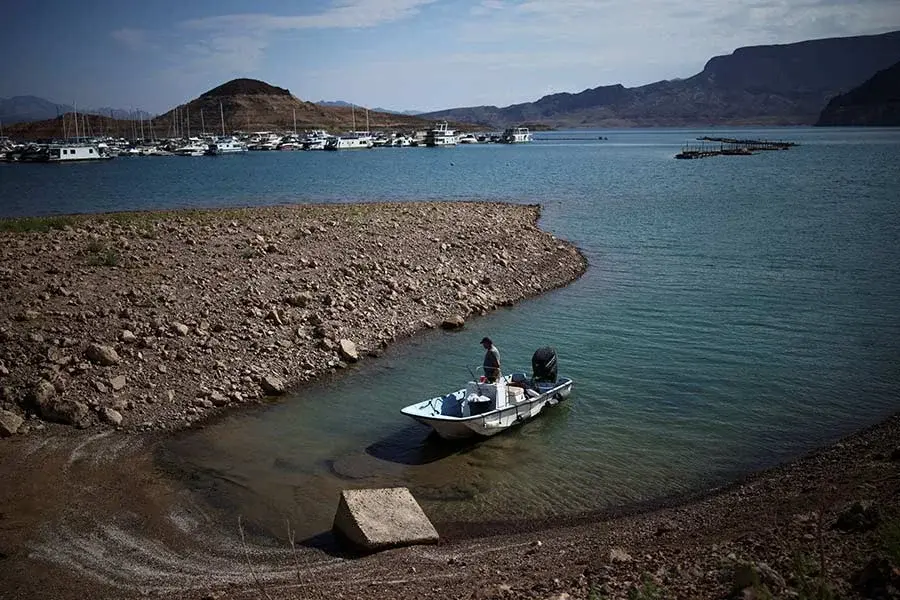
The US Department of the Interior has issued a new two-year operating plan for the Colorado River, mandating significant water cuts for Arizona, California, and Nevada through 2028. This federal intervention follows years of failed negotiations among the seven basin states and comes as Lake Mead and Lake Powell have both reached historic low levels. The plan imposes the steepest reductions on Arizona, while upper basin states face no mandatory cuts, a decision that has sparked mixed reactions and raised concerns about future litigation.
Key points
- The Department of the Interior released a new two-year operating plan for the Colorado River, effective through 2028, to address critical water shortages.
- Arizona faces the largest mandatory cut of 760,000 acre-feet, followed by California at 440,000 acre-feet and Nevada at 50,000 acre-feet.
- Upper basin states, including Utah, Colorado, Wyoming, and New Mexico, are not required to make mandatory cuts under this interim plan.
- Lake Mead and Lake Powell have both reached record-low levels, with Lake Powell hitting its lowest point on August 15, 2026.
- The plan is part of a broader 10-year framework established by the Bureau of Reclamation in July 2026, which requires biennial reassessments of water allocations.
Background
The Colorado River system, which supplies water to approximately 40 million people and irrigates over 5 million acres of farmland, has been under severe stress for more than two decades due to climate change, prolonged drought, and high demand. Previous archive reports from August 2026 highlighted that Lake Mead had dropped to historic lows of approximately 1,040 feet, while Lake Powell fell to around 3,519 feet. The 1922 Colorado River Compact, which originally allocated 7.5 million acre-feet annually to both the upper and lower basins, is increasingly unworkable as water levels dwindle. Recent negotiations among the seven basin states failed to produce a consensus, leading to the federal government stepping in with this interim plan to prevent a potential system collapse.
Why it matters
This federal mandate represents a critical shift in water management for the American Southwest, directly impacting agriculture, urban water supplies, and hydropower generation for tens of millions of people. The uneven distribution of cuts, with lower basin states bearing the brunt while upper basin states face no mandatory reductions, has intensified inter-state tensions. Experts warn that without a long-term consensus, the region may face a 'system crash' where reservoir levels drop too low to deliver water, potentially leading to prolonged legal battles and economic hardship in the affected states.
What to watch
The current plan is an interim measure that will be reassessed every two years. In the meantime, the seven basin states are expected to continue negotiating a longer-term agreement that could supersede the federal guidelines. There are growing fears that the lack of consensus may lead to litigation, with Nevada and Arizona hinting at potential legal challenges. Water users in California and Nevada have called for renewed efforts to forge a comprehensive agreement that includes all seven states, emphasizing the need for shared responsibility in managing the shrinking water supply.
Want the full story? Read the original reporting
Read on East Idaho News