
Chiricahua Becomes 64th U.S. National Park After Decades of Advocacy
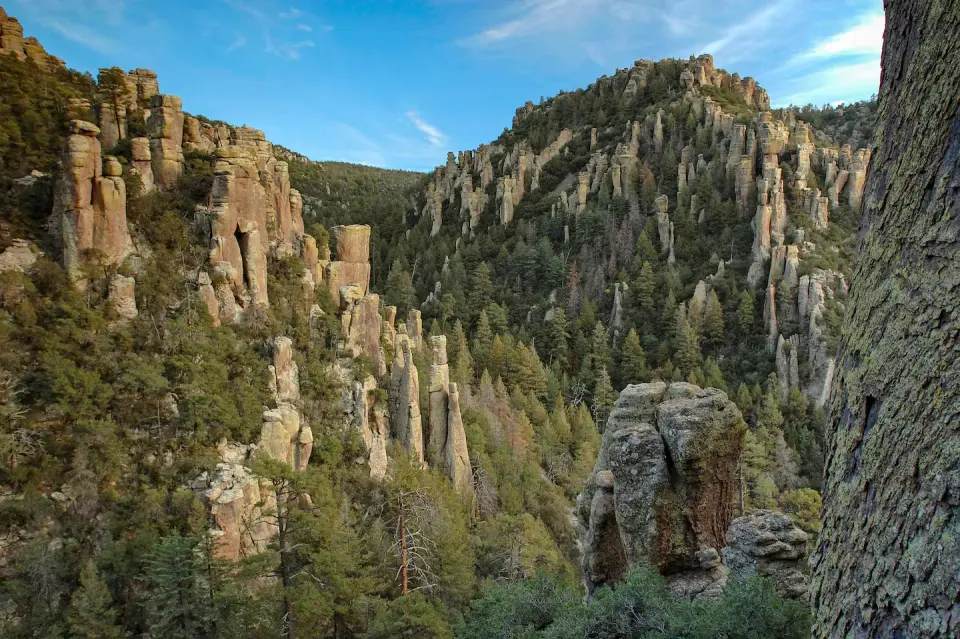
President Trump signed the Chiricahua National Park Act on Oct. 20, 2026, redesignating the former national monument as the 64th U.S. national park. The 12,000-acre site in southeastern Arizona, known for its volcanic rock spires and Apache heritage, is the first new national park added in six years. The move aims to boost tourism and local economies, though it occurs amid workforce cuts at the National Park Service.
Key points
- Chiricahua is the 64th U.S. national park and Arizona's fourth, joining Grand Canyon, Petrified Forest, and Saguaro.
- The site protects 12,000 acres of rhyolite rock spires formed by a volcanic eruption 27 million years ago.
- The legislation passed the Senate on Sept. 30, 2026, with bipartisan support from Arizona lawmakers.
- The designation is expected to increase visitation by approximately 20%, benefiting the local economy of Willcox.
- The park preserves cultural history, including the homeland of the Chiricahua Apache and the Faraway Ranch homestead.
Background
Chiricahua has been protected as a national monument since 1924, designated by President Calvin Coolidge. For over a century, advocates, including local leaders and conservationists, sought to elevate its status to a national park to secure greater protection and funding. The recent designation follows a period of significant workforce reductions and budget constraints at the National Park Service, raising concerns about the agency's capacity to manage expanded parklands.
How outlets are covering it
The Washington Post and National Park Service emphasize the site's natural and cultural significance, highlighting its biodiversity and Apache heritage. ABC15 Arizona focuses on the economic impact, noting that local leaders expect a 20% increase in visitation, which could provide additional resources for trail upkeep and staffing. Outside Magazine highlights the recreational value, describing the landscape as a 'wonderland' of rock pinnacles and noting the park's unique blend of four distinct ecoregions. While all sources agree on the historic nature of the designation, the Washington Post notes that the move occurs amid criticism of the Trump administration's resource allocation for existing national parks, suggesting potential challenges for the new park's management.
Why it matters
The addition of Chiricahua as a national park marks a significant milestone in U.S. conservation, ending a six-year gap in new national park designations. It underscores the ongoing debate over the balance between expanding protected areas and maintaining adequate funding and staffing for the National Park Service. The designation also highlights the importance of preserving cultural and natural resources in the American Southwest, while raising questions about the long-term sustainability of park management under current political and budgetary conditions.
What to watch
The National Park Service will implement new management plans for Chiricahua, including efforts to track water resources and manage invasive plant species. Local communities in Willcox and Cochise County will monitor the impact of increased visitation on the local economy and infrastructure. Congress and the administration will likely face ongoing scrutiny regarding the funding and staffing levels allocated to the National Park Service to ensure the effective management of the new park and existing sites.
- U.S. gets its first new national park in six years The Washington Post
- Chiricahua National Monument Becomes America’s Newest National Park National Park Service (.gov)
- Chiricahua National Park Act signed into law, marking fourth National Park in Arizona ABC15 Arizona
- Chiricahua National Monument Just Became America’s Newest National Park Outside Magazine
- The U.S. Just Got a Stunning New National Park—and It’s Called the ‘Wonderland of Rocks’ for Its Towering Spires Travel + Leisure
Want the full story? Read the original reporting
Read on The Washington Post