
Drought-driven bear surge leads to fatal euthanasia after South Platte attack
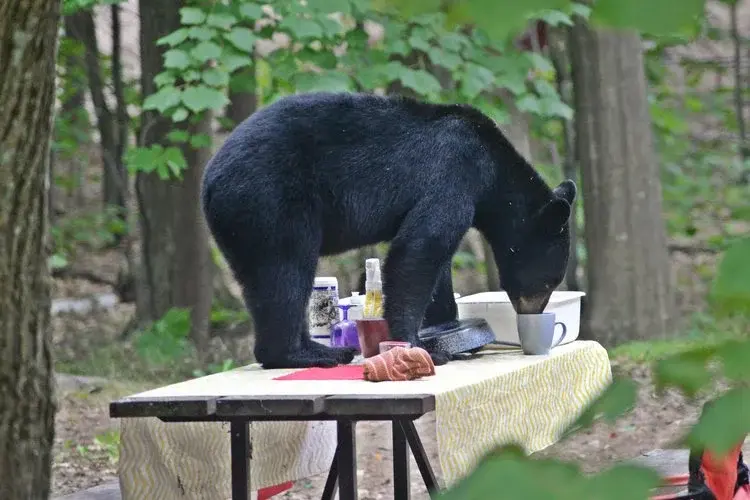
A female bear attacked a fisherman in Jefferson County, Colorado, on August 21, 2026, resulting in the animal's euthanasia. The incident is part of a record-breaking surge in bear-human conflicts across the state, driven by historic drought conditions that have depleted natural food sources. Colorado Parks and Wildlife (CPW) reports that sightings and conflicts have nearly doubled compared to the same period in 2025, reaching 6,129 reports by mid-August. As bears enter 'hyperphagia' to prepare for hibernation, officials warn that aggressive behavior will increase. The victim, a man in his 60s, was hospitalized with non-life-threatening leg injuries after the bear bit him for several minutes. CPW, assisted by a U.S. Department of Agriculture dog team, located and euthanized the subadult female bear on August 22. This marks the sixth reported bear attack in Colorado in 2026, double the number recorded in 2025.
Key points
- A subadult female bear attacked a fisherman in his 60s near the North Fork Trail in Jefferson County on August 21, 2026, biting his legs for several minutes.
- The victim was hospitalized with non-life-threatening injuries; the bear was tracked by a USDA dog team and euthanized by CPW on August 22, 2026.
- CPW reports 6,129 bear sightings and conflicts from January to August 13, 2026, nearly double the 3,115 reported in the same period in 2025.
- Officials attribute the surge to historic drought conditions that have reduced natural food sources like acorns and chokecherries, forcing bears into human areas.
- Bears are currently in 'hyperphagia,' consuming up to 20,000 calories daily to prepare for hibernation, which increases their boldness and activity levels.
- This incident is the sixth reported bear attack in Colorado in 2026, compared to three in 2025, according to CPW data.
Background
Recent archive entries from July 2026 noted bear euthanasias in Eugene, Oregon, and Alaska, highlighting a broader national trend of wildlife management interventions. However, the current Colorado incident is distinct due to the scale of human-bear conflicts driven by specific regional drought conditions. The 2026 season has seen a significant escalation in incidents, with CPW warning that the situation will worsen as bears intensify foraging efforts. Previous coverage in July 2026 focused on isolated incidents, whereas the current data indicates a systemic increase in conflicts across multiple Colorado communities, including Aspen, Steamboat Springs, and Fort Collins.
How outlets are covering it
The Colorado Sun and The Denver Post focus primarily on the specific incident in Jefferson County, emphasizing the immediate response and the euthanasia of the bear. They highlight the victim's hospitalization and the collaborative effort between CPW and the USDA to locate the animal. USA Today provides a broader national context, detailing similar incidents in other states like New Mexico and North Carolina, and attributing the surge to drought and hyperphagia. USA Today also includes detailed safety recommendations for the public. All sources agree on the statistical doubling of bear conflicts in Colorado and the role of drought in driving bear behavior, but USA Today places more emphasis on the national trend and specific safety protocols, while The Colorado Sun and The Denver Post focus on the local impact and the specific circumstances of the South Platte attack.
Why it matters
The record-breaking number of bear-human conflicts in Colorado poses significant risks to public safety and highlights the impact of climate change on wildlife behavior. As drought conditions persist, the depletion of natural food sources is forcing bears into human-populated areas, increasing the likelihood of dangerous encounters. This trend necessitates stricter adherence to bear safety protocols and may lead to further policy changes in wildlife management. The euthanasia of the attacking bear underscores the agency's policy of prioritizing human safety, but the underlying issue of food scarcity remains unresolved, suggesting that conflicts may continue to rise through the fall season.
What to watch
CPW expects bear activity to increase in the coming weeks as animals continue to forage for hibernation. Officials are urging the public to secure trash, avoid leaving food scraps, and carry bear spray when recreating in bear country. A necropsy will be performed on the euthanized bear to determine the cause of its aggressive behavior. CPW will continue to monitor conflict reports and may issue further warnings as the hyperphagia phase progresses. Public education campaigns are expected to intensify to reduce the risk of future encounters.
- Bear knocks over and bites South Platte angler, is tracked down and euthanized The Colorado Sun
- Bear attacks, conflicts with humans reach historic levels in Colorado USA Today
- Man survives bear attack in Jefferson County 9News
- Fisherman attacked by bear on Colorado mountain trail The Denver Post
- Hungry Colorado bears are looking for food in cities, kitchens, cars, a college campus, and more Colorado Public Radio
Want the full story? Read the original reporting
Read on The Colorado Sun