
Kelvin Wave Arrives to Compound El Niño Flood Risks on California Coast
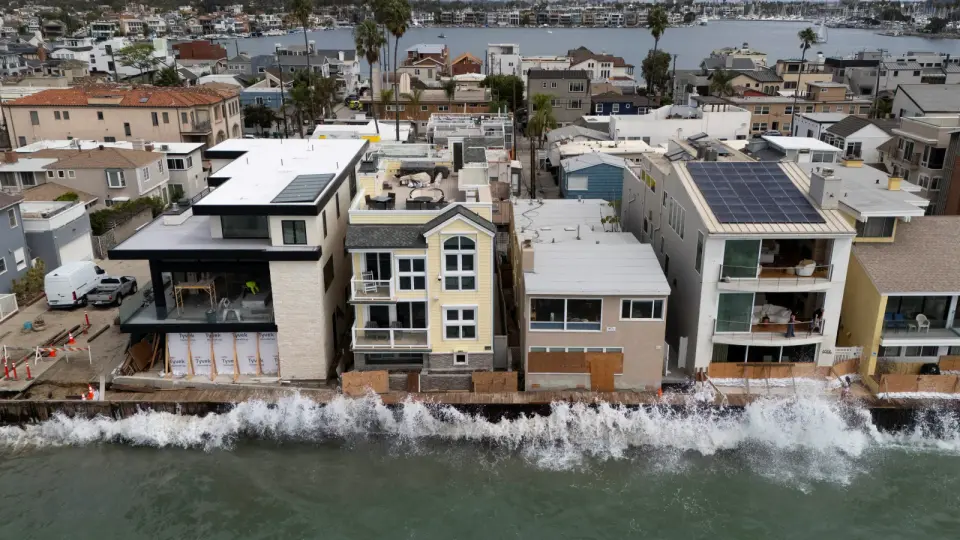
A large Kelvin wave is moving toward the U.S. West Coast, potentially raising sea levels by up to a foot. This surge coincides with a strengthening El Niño, increasing the risk of coastal flooding and erosion. California has declared a state of emergency to prepare for severe winter impacts.
Key points
- A Kelvin wave, a planetary-scale disturbance carrying warm water, is traveling toward California and could raise coastal water levels by several inches to a foot.
- The wave’s arrival coincides with a strengthening El Niño, which NOAA predicts has a 90% chance of being very strong this fall and winter.
- California Governor Gavin Newsom has declared a state of emergency, mobilizing resources for potential winter storms, flooding, and erosion.
- The elevated baseline sea level from the wave will amplify the impact of high tides, storm surges, and large waves, particularly during the winter months.
- Scientists note that while Kelvin waves are natural, the current El Niño is exceptionally strong, potentially causing more damage than previous major events due to rising global sea levels.
Background
California has been preparing for a potentially record-breaking El Niño since August, with earlier reports indicating that Kelvin waves would raise sea levels by 4 to 12 inches. The state has already experienced significant beach erosion and infrastructure damage from powerful swells this summer, setting the stage for the current threat.
How outlets are covering it
The Desert Sun emphasizes the immediate threat of the Kelvin wave raising sea levels by up to a foot, highlighting the compounding effect with El Niño-driven storms. The Guardian provides a broader scientific context, explaining that the wave is a planetary-scale phenomenon that will linger through winter, and notes that sea levels have already risen 8 inches over the last century, making the current threat more severe. While The Desert Sun focuses on the physical mechanics of the wave, The Guardian stresses the long-term implications and the exceptional intensity of the current El Niño, which could exceed the damage of past events like 1998. Westside Current’s content was inaccessible due to a login wall, so no additional perspective could be synthesized from that source.
Why it matters
The combination of a Kelvin wave and a strong El Niño creates a 'stacking' effect where elevated baseline sea levels make coastal flooding more likely during high tides and storms. This increases the risk of erosion, infrastructure damage, and flooding in low-lying areas, particularly during the winter months when storms are most frequent. The state of emergency declaration underscores the severity of the anticipated impacts.
What to watch
The Kelvin wave is expected to reach California’s coast in the coming weeks, with its effects potentially lingering through the winter and into early 2027. Residents and officials are urged to prepare for higher tides, increased storm surge, and potential flooding, particularly around high-tide periods in November and December. Monitoring of sea levels and storm activity will continue as the El Niño strengthens.
- Massive 'Kelvin wave' headed for California. Here's what it could mean The Desert Sun
- Concern mounts over slow-moving, planetary-scale ‘Kelvin’ wave heading for California The Guardian
- The El Niño Peril No One Is Talking About L.A. Material
- Deep Ocean Waves Could Raise Westside Coastal Risks This Winter Westside Current
- What is a Kelvin wave? The underwater pulse that could impact California newsnationnow.com
Want the full story? Read the original reporting
Read on The Desert Sun