
Long Beach’s Failed Seawall: A Microcosm of California’s Climate Struggles
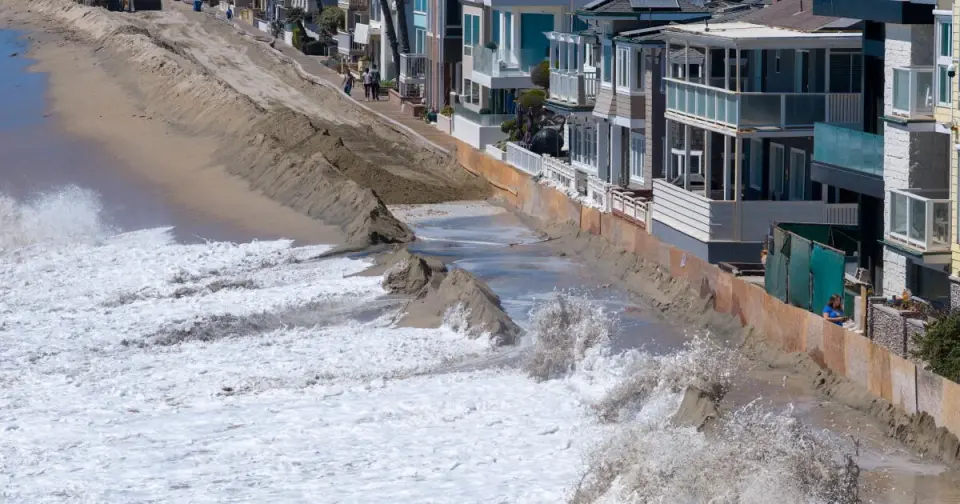
Long Beach’s coastal defenses failed during Labor Day weekend as 12-foot waves, driven by Hurricane Marie and El Niño, breached the seawall. Mandatory evacuations were issued for 20 homes, and while emergency repairs stabilized the area, residents face long-term structural risks and costly, delayed infrastructure projects.
Key points
- Waves up to 12 feet breached the Long Beach seawall, flooding homes and destroying vehicles, including a $60,000 loss for one couple.
- Mandatory evacuations were issued for approximately 20 coastal homes between 63rd and 67th Place, later lifted after inspections.
- The event was caused by a combination of Hurricane Marie’s remnants, extreme high tides, and a strengthening El Niño.
- Emergency repairs stabilized the seawall, but long-term solutions like a $250-foot beach extension remain delayed by funding issues.
- Residents report hidden structural damage, including eroding sand foundations and cracked concrete, despite visible repairs.
Background
This incident follows earlier warnings about a record-strength El Niño and accelerating global warming trends. Long Beach had already experienced significant wave damage during August king tides, prompting temporary berm reinforcements that ultimately failed during the Labor Day surge.
How outlets are covering it
The Los Angeles Times frames the event as a symbol of California’s 'clumsy' climate response, noting residents' reluctance to relocate despite visible damage. CBS News emphasizes the immediate emergency response and long-term dredging plans delayed by funding disputes. The New York Post highlights the human impact, focusing on destroyed vehicles and residents' frustration with inadequate warnings. MARCA briefly notes the broader Southern California impact but lacks detailed local analysis.
Why it matters
Long Beach’s failure illustrates the gap between climate predictions and infrastructure readiness. The delayed dredging project, funded by oil revenue, highlights systemic issues in coastal resilience. As El Niño intensifies, similar events may become more frequent, exposing vulnerabilities in other coastal communities.
What to watch
Crews will continue cleanup and monitor for further erosion. The long-term dredging project, expected to begin in late October, aims to extend the beach by 250 feet. Residents may face increased insurance costs or structural assessments as hidden damage becomes apparent.
- How Long Beach became a poster child for California’s clumsy, costly battle against global warming's effects Los Angeles Times
- Evacuations lifted in Long Beach after powerful waves caused damage to homes, boardwalk CBS News
- Monster waves destroy Long Beach community as homeowners share chaotic aftermath New York Post
- Giant waves batter Southern California after Hurricane Marie MARCA
- Evacuations Lifted After Powerful Surf Damages Long Beach Peninsula: Reports Patch
Want the full story? Read the original reporting
Read on Los Angeles Times