
North Atlantic Right Whale Population Drops to 382 Amid Warming Oceans and Ship Strikes
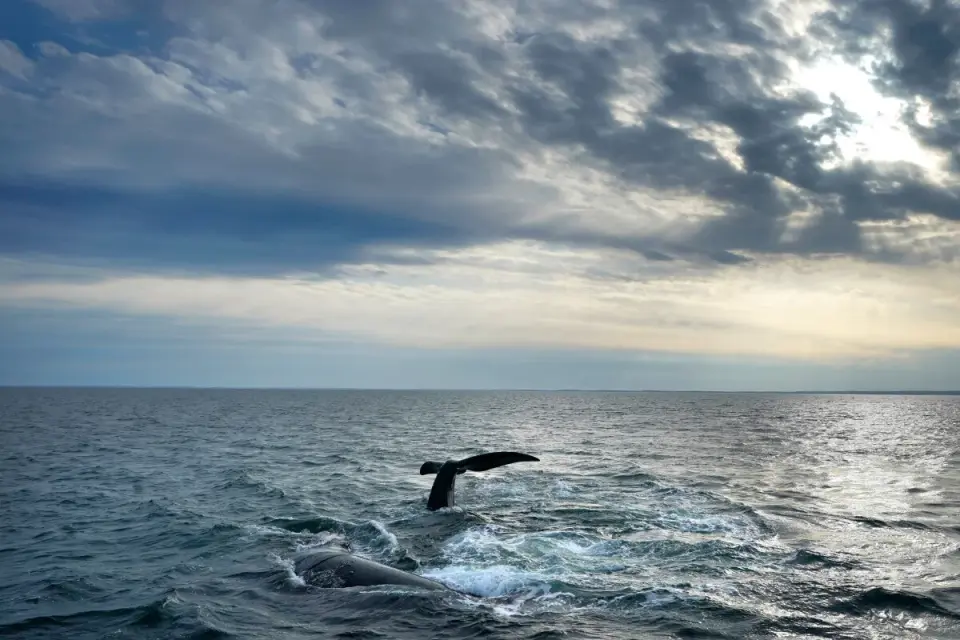
The North Atlantic right whale population has declined by 2% to 382 individuals, reversing a recent upward trend. Scientists attribute this drop to warming oceans shifting food sources into unprotected waters, leading to increased ship collisions and fishing gear entanglements. Despite a record calving season in 2025, the species remains critically endangered with only 73 reproductive females. Conservationists warn that without expanded protections, the species faces extinction.
Key points
- The North Atlantic Right Whale Consortium reported the population has fallen to 382 whales, a 2% decrease from the previous year.
- Heather Pettis, chair of the consortium, stated that warming oceans have moved copepods, the whales' primary food, into areas not protected from ship strikes and entanglements.
- The population dropped 25% between 2010 and 2020 due to poor reproduction and high mortality, with recent years showing only slight recovery.
- Nora Ives of Oceana emphasized that the latest numbers lengthen the road to recovery for the critically endangered species.
- The U.S. House passed a proposal to delay new right whale protections until 2035 to protect commercial fishing interests, a move opposed by environmental groups.
- The National Oceanic and Atmospheric Administration reported unusually high injury and death rates over the last nine years.
Background
The North Atlantic right whale has been critically endangered since the 1930s when commercial whaling ended. The species is known for floating when killed and yielding high oil volumes, leading to their name. Recent archive coverage highlights broader North Atlantic environmental concerns, including potential AMOC collapse and oil field debates, but the right whale crisis remains distinct due to its specific threats from shipping and fishing.
Why it matters
The decline signals that current conservation measures are insufficient to counteract climate-driven habitat shifts. With only 73 breeding females, the species is vulnerable to any significant mortality event. The legislative delay of protections until 2035 risks further population loss during a critical recovery window.
What to watch
Scientists and conservationists are urging immediate expansion of protected areas to cover the whales' new feeding grounds. The outcome of the 2035 protection delay proposal will determine whether new regulations can be implemented in time to prevent further declines. Monitoring of calving success and mortality rates will continue to assess the species' trajectory.
Want the full story? Read the original reporting
Read on AP News