
Olive Ridley Turtles Nest on California Beaches in Unprecedented Event
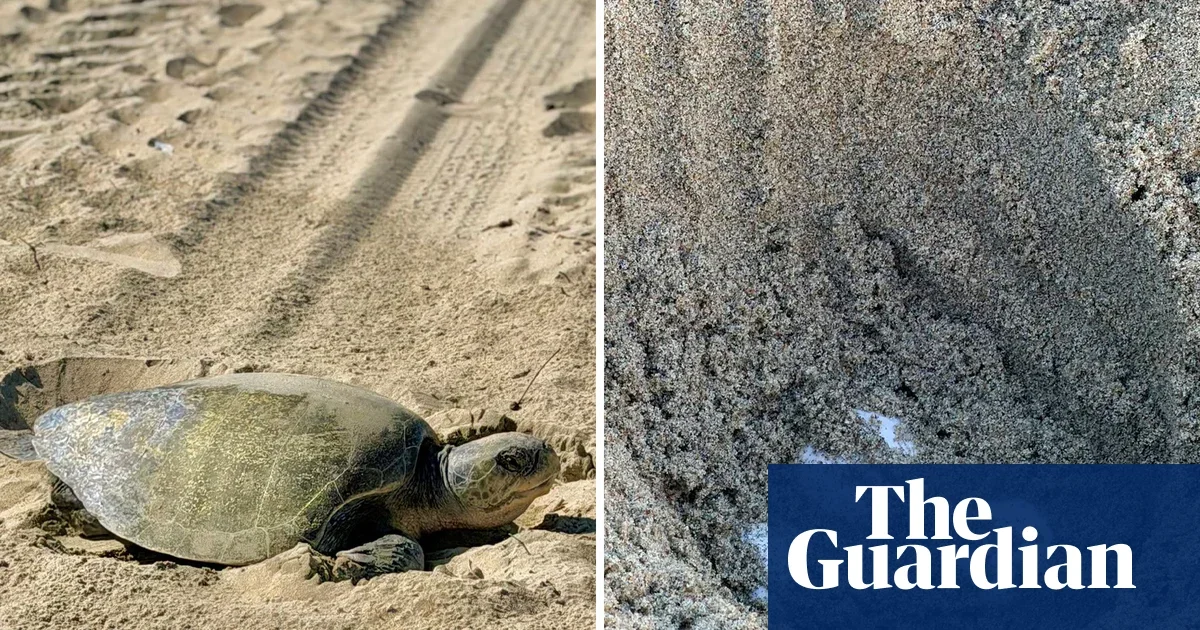
Two olive ridley sea turtles have laid eggs on Southern California beaches for the first time in recorded history, marking a significant shift in marine wildlife patterns. NOAA confirmed the sightings on Seal Beach and Huntington Beach, attributing the event to unusually warm waters driven by El Niño. While scientists debate whether this is a temporary anomaly or the start of a northward migration trend, the nests are now protected by fencing as they incubate for 45 to 60 days.
Key points
- NOAA verified that two distinct olive ridley turtles nested on Orange County beaches, debunking early reports of a single individual.
- The event is the first documented natural nesting of any sea turtle species on the US West Coast.
- Experts cite record-breaking El Niño conditions and warmer coastal waters as the primary drivers for this unusual behavior.
- Nests are protected by fencing, with hatching expected in 45 to 60 days, though storm surges pose a risk.
- Olive ridley turtles are protected under the Endangered Species Act, despite being one of the most abundant species globally.
Background
Recent months have seen increased tropical activity in the Pacific due to a strong El Niño, which has already caused significant coastal erosion and unusual weather patterns in California. In September, swells from Hurricane Marie and other storms overwhelmed coastal defenses in Long Beach, highlighting the region's vulnerability to climate-driven changes. This current turtle nesting event follows a pattern of shifting wildlife behaviors, including sightings of non-native shark species and sea snakes, all linked to rising ocean temperatures.
How outlets are covering it
The Guardian and The Washington Post initially reported a single turtle, but NOAA later clarified via photo analysis that two separate individuals were involved. KCRA emphasizes the role of El Niño, quoting NOAA’s Jeff Seminoff, who described the event as 'momentous' after nearly 40 years in the field. While The Guardian suggests a potential long-term northward shift due to climate crisis, KCRA and The Washington Post focus more on the immediate impact of warm currents. All sources agree on the need for public distance and reporting to authorities, but differ on the certainty of the trend's permanence.
Why it matters
This event signals a potential shift in marine ecosystems due to climate change. If olive ridley turtles begin nesting in California, it could indicate broader changes in ocean temperatures and migration patterns. It also highlights the need for adaptive conservation strategies and public awareness regarding changing wildlife behaviors in coastal areas.
What to watch
Scientists will monitor the nests for the next 45 to 60 days to see if hatching occurs. NOAA and local authorities will continue to watch for additional turtle sightings, as the nesting season is not over. Researchers will analyze data to determine if this is a one-time event or the beginning of a new pattern.
- In a first, olive ridley turtles spotted nesting on California’s beaches The Guardian
- Tropical Sea Turtle Lays Eggs on Southern California Beach The New York Times
- Olive ridley sea turtle nests in historic first on Southern California coast The Washington Post
- 2 different sea turtles nest on California beaches for the first time KCRA
- Endangered sea turtle lays eggs in Calif. for first time in recorded history SFGATE
Want the full story? Read the original reporting
Read on The Guardian