
California Tests Floodplain Restoration as Record El Niño Approaches
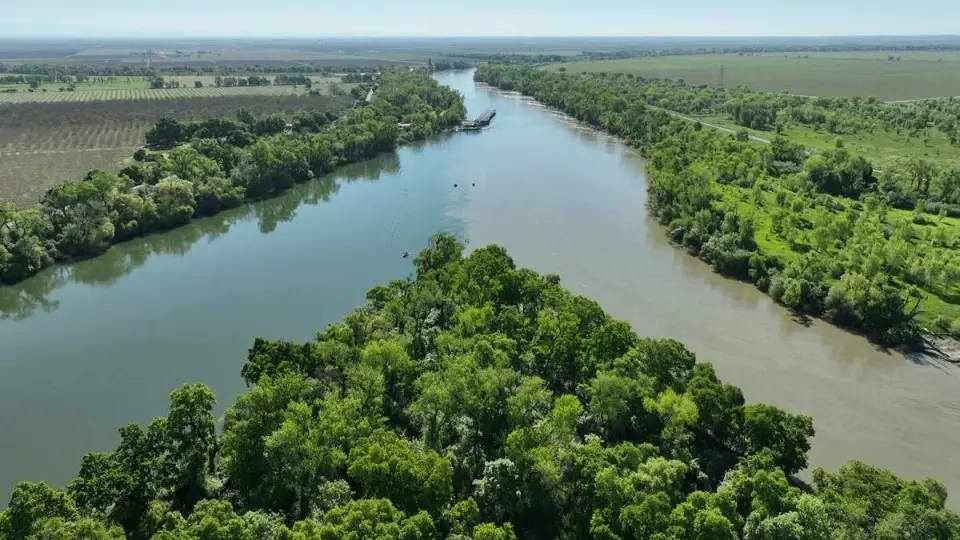
California faces a potentially record-breaking El Niño this winter, prompting a statewide emergency declaration and renewed focus on flood resilience. While coastal erosion and high surf have already damaged Southern California, the Central Valley is testing a new strategy: restoring floodplains to absorb excess water. A key project in Sutter County, Dos Rios Norte, aims to hold 20 feet of floodwater to protect downstream communities. Experts debate the predictability of El Niño impacts, but officials emphasize that nature-based solutions and infrastructure maintenance are critical to mitigating risks in a warming climate.
Key points
- Gov. Newsom declared a statewide emergency due to El Niño-driven coastal erosion and storm risks.
- NOAA forecasts a 75% chance of a record-strength El Niño, with 98% odds of 'very strong' conditions by December.
- River Partners is restoring 1,600 acres at Dos Rios Norte in Sutter County to act as a flood buffer.
- The Sacramento region faces high flood risk, with 1.3 million people living behind levees.
- Experts note El Niño does not guarantee flooding, but climate change has doubled catastrophic flood likelihood.
Background
California has faced significant flood risks in recent years, including the 2023 atmospheric rivers that delivered 34 trillion gallons of water. The state has invested over $25 billion in flood infrastructure over the next 30 years, including nature-based solutions like levee setbacks and floodplain restoration. Previous El Niño events, such as 1997 and 1998, caused major flooding in the Central Valley, highlighting the need for adaptive strategies.
How outlets are covering it
The Sacramento Bee emphasizes the potential of floodplain restoration at Dos Rios Norte to mitigate El Niño floods, highlighting the Lundberg family’s transition from farming to conservation. The Los Angeles Times focuses on immediate coastal impacts, including beach erosion and emergency declarations in Southern California. PBS KVIE notes uncertainty in El Niño predictions, citing historical instances where non-El Niño years caused severe flooding. Yahoo’s source is inaccessible due to a technical error, but its title suggests concerns about repeating 1983 coastal destruction. Outlets differ in focus: Bee highlights long-term adaptation, LATimes stresses immediate coastal crises, and KVIE underscores unpredictability.
Why it matters
The 2026 El Niño tests California’s ability to adapt to climate-driven extremes. Successful floodplain restoration could reduce damage to 1.3 million residents and $223 billion in infrastructure behind levees. Coastal erosion and inland flooding risks underscore the need for integrated, nature-based solutions to protect communities and economies in a warming climate.
What to watch
Monitor El Niño intensity through December, as NOAA forecasts peak strength. Track floodplain performance at Dos Rios Norte during winter storms. Assess coastal damage in Southern California and review emergency response effectiveness. Expect continued investment in flood infrastructure and potential policy shifts toward nature-based solutions.
- El Niño could usher Central Valley floods. One strategy: let it flood like it used to Sacramento Bee
- California declares statewide emergency ahead of epic El Niño storms latimes.com
- How the Sacramento region is preparing for ‘very strong’ El Niño Abridged – PBS KVIE
- ‘Super’ El Niño Threatens to Repeat California’s 1983 Coastal Destruction (Video) Yahoo
- Committee to Pull Focus on El Niño Preparations as City Readies for Storm Season Pasadena Now
Want the full story? Read the original reporting
Read on Sacramento Bee