
FEMA Insurance Rules Trap Coastal Homeowners in Waiting Game as Homes Collapse
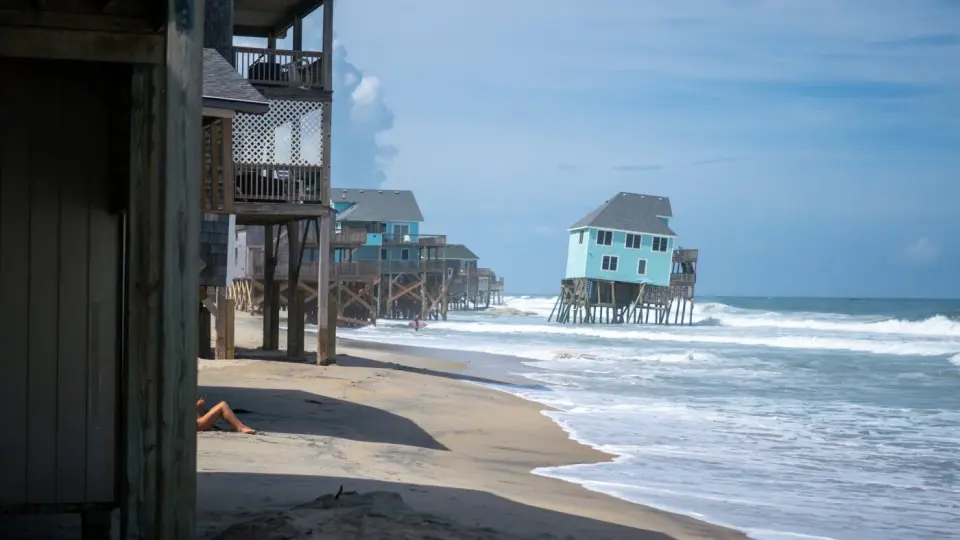
Federal flood insurance rules incentivize homeowners to wait for their houses to collapse into the ocean rather than demolishing them early, creating costly cleanup burdens and environmental hazards on the U.S. East Coast.
Key points
- More than 30 homes have collapsed in Dare County, North Carolina, since 2020 due to accelerated sea-level rise and erosion.
- FEMA’s National Flood Insurance Program pays out only after a total loss, discouraging proactive demolition or relocation of threatened properties.
- A bipartisan bill to reinstate early payout options for at-risk homes is stalled in the House of Representatives.
- The National Park Service has collected over 480 tons of home debris from the area in the last 18 months.
- Local officials argue that early demolition is cheaper and cleaner than waiting for natural collapse, which scatters wreckage along the coast.
Background
This issue follows broader concerns about federal disaster policy and infrastructure resilience. While previous coverage focused on election procedures and opioid treatment, the current situation highlights how climate-driven erosion is outpacing existing regulatory frameworks. The 1994 repeal of the Upton-Jones Amendment, which previously allowed early payouts for demolition, remains a central point of contention in current legislative debates.
Why it matters
The current policy creates a perverse incentive where homeowners retain doomed properties to maximize insurance payouts, leading to environmental contamination and higher long-term costs for taxpayers. As sea levels rise, this model becomes unsustainable, prompting calls for legislative reform to allow proactive mitigation rather than reactive cleanup.
What to watch
Congress must decide whether to advance the stalled bipartisan bill that would restore early payout options for erosion-threatened homes. Meanwhile, local governments in North Carolina and Maine are pursuing expensive temporary measures like beach nourishment and jetty construction to buy time, though these solutions are not permanent.
Want the full story? Read the original reporting
Read on NPR