
Super El Niño Triggers Unprecedented Marine Die-offs and Species Shifts Along California Coast
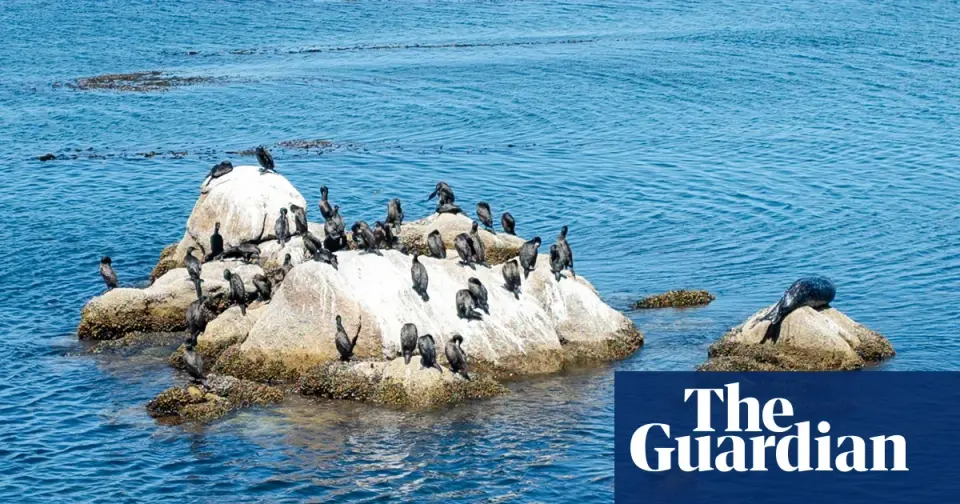
A historic 'super' El Niño is causing record-high ocean temperatures and nutrient depletion along California's coast, leading to mass seabird deaths, kelp forest collapse, and the arrival of tropical species. Scientists warn that these changes, compounded by climate change, are creating a cascading crisis for marine ecosystems, though restoration efforts offer some hope for recovery.
Key points
- Ocean temperatures in the thermocline layer off Monterey Bay have risen 8°C (14.4°F) above average, rivaling equatorial El Niño intensities.
- Phytoplankton populations have plummeted by an order of magnitude, starving the base of the marine food web.
- Kelp forests are disintegrating due to heat and nutrient loss, with bull kelp populations in northern California losing over 90% of their cover since the last El Niño.
- Hundreds of seabirds, including common murres and brown pelicans, have washed ashore between San Francisco and Los Angeles due to starvation.
- Tropical species, such as whale sharks, yellow-bellied sea snakes, and Humboldt squid, are appearing in California waters for the first time or in unprecedented numbers.
Background
This event follows a series of record-breaking high tides in late October 2026, which flooded Southern California coastal cities. Earlier in 2026, a marine heat wave already triggered a significant seabird die-off, setting the stage for the current El Niño's compounding effects. The current 'super' El Niño is statistically comparable to the 1997-98 event but is occurring within a broader context of rising global ocean temperatures.
How outlets are covering it
The Guardian emphasizes the unprecedented scale of the temperature rise and the visible collapse of kelp forests, noting that scientists are struggling to comprehend the event's magnitude. The New York Times focuses on the immediate mortality of nearly 2,000 seabirds, highlighting the direct link between warming waters and bird starvation. ABC News provides a broader ecological perspective, noting that while some species suffer, others like anchovies may thrive, and that marine mammals like sea lions face challenges in feeding their pups. The Beverly Press & Park Labrea News highlights the arrival of exotic species, such as yellow-bellied sea snakes, as a 'window' into future marine environments, while also warning of the risks these animals pose to public safety and the stress they place on native species.
Why it matters
The collapse of kelp forests and the decline of phytoplankton threaten the entire marine food web, potentially leading to long-term biodiversity loss. The mass mortality of seabirds indicates a systemic failure in the ocean's ability to support its inhabitants. Furthermore, the arrival of tropical species signals a permanent shift in California's marine ecosystem, which could have economic and ecological consequences for fisheries and coastal communities. Restoration efforts, such as kelp cultivation, are critical to mitigating these impacts, but the scale of the current event poses significant challenges to these efforts.
What to watch
Scientists expect the extreme warmth to persist through the winter, potentially leading to further die-offs among fish, mammals, and birds. Full-scale impacts on populations will not be known until spring. Restoration teams are adapting their methods to cope with warmer seawater and rising tides, but the success of these efforts remains uncertain. Public awareness and reporting of unusual marine sightings are crucial for monitoring the long-term changes in the marine environment.
- A super El Niño brings startling changes for marine life on California coast: ‘like nothing we’ve ever seen’ The Guardian
- Why Nearly 2,000 Dead Seabirds Have Washed Up on the California Coast The New York Times
- How El Nino and a persistent marine heat wave are affecting West Coast wildlife ABC News - Breaking News, Latest News and Videos
- NOAA and Scripps Institute of Oceanography release latest information about Super El Niño FOX 5 San Diego & KUSI News
- NHM scientists prepare for unlikely beach finds during El Niño Beverly Press & Park Labrea News
Want the full story? Read the original reporting
Read on The Guardian