
Trump’s Wolf Delisting Order Sparks Legal and Political Clash
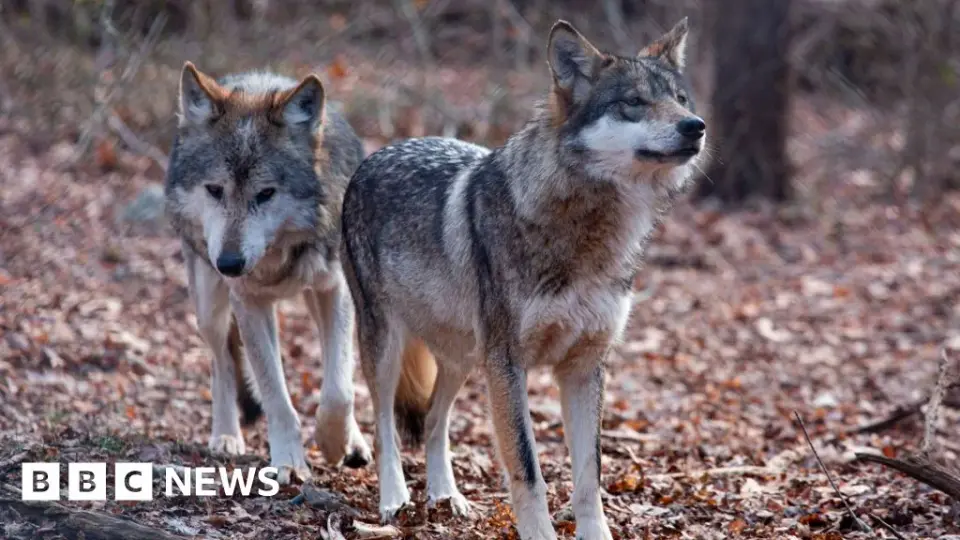
President Trump signed an executive order directing the Interior Department to evaluate removing federal protections for gray and Mexican wolves. The move aims to ease restrictions on ranchers but faces immediate legal hurdles and criticism from conservationists who argue the species are not yet fully recovered.
Key points
- Trump’s order gives Interior Secretary Doug Burgum 90 days to assess if wolf populations have recovered enough to be delisted from the Endangered Species Act.
- The order directs federal agencies to urge states to remove their own protections and to ease authorizations for lethal wolf removal.
- Conservation groups argue the move is a political distraction to placate ranchers affected by beef tariffs, not a scientific necessity.
- Legal challenges are expected, as a 2022 federal court order currently keeps gray wolves protected in most of the lower 48 states.
- The policy is part of a broader set of measures aimed at supporting the beef industry and lowering consumer prices.
Background
This follows a series of executive orders in September 2026 aimed at supporting ranchers, including measures to ease meat processing regulations and address beef import tariffs. The wolf delisting effort revisits a 2022 attempt to remove protections that was blocked by litigation. Historically, the US government systematically hunted wolves in the late 19th century, pushing them to the brink of extinction before reintroduction efforts began in the late 1990s.
How outlets are covering it
The Washington Post and The Guardian emphasize the legal and political maneuvering, noting that Trump’s order attempts to bypass the Endangered Species Act framework. The BBC highlights the tension between rancher interests and conservation science, citing data that wolf attacks on livestock are rare. The Milwaukee Journal Sentinel focuses on the specific impact on Wisconsin, where wolf populations are stable but compensation for livestock losses has decreased. All sources agree that the order is unlikely to result in immediate wolf killings due to existing federal protections, but they differ on the long-term viability of the delisting process.
Why it matters
The decision could fundamentally alter wildlife management in the US, shifting control from federal agencies to state governments. It sets a precedent for using executive orders to override environmental protections in favor of agricultural interests, potentially affecting other endangered species and intensifying the conflict between conservation and industry.
What to watch
The Interior Department must complete its 90-day review. Conservation groups, including the Center for Biological Diversity, have indicated they will challenge any delisting decision in court. State legislatures may also act to remove their own protections, as directed by the federal order. The outcome will depend on whether the scientific data supports the claim that wolf populations have sufficiently recovered.
- Trump signs order to remove endangered species protection for grey wolves BBC
- Trump order directs officials to consider stripping protections for gray wolves The Guardian
- Trump signs executive order on wolf delisting Milwaukee Journal Sentinel
- Trump moves to allow ranchers and hunters to kill gray wolves The Washington Post
- Tiffany Applauds White House’s Action to Delist Gray Wolves Representative Tom Tiffany (.gov)
Want the full story? Read the original reporting
Read on BBC