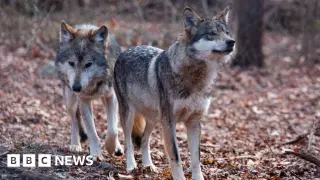
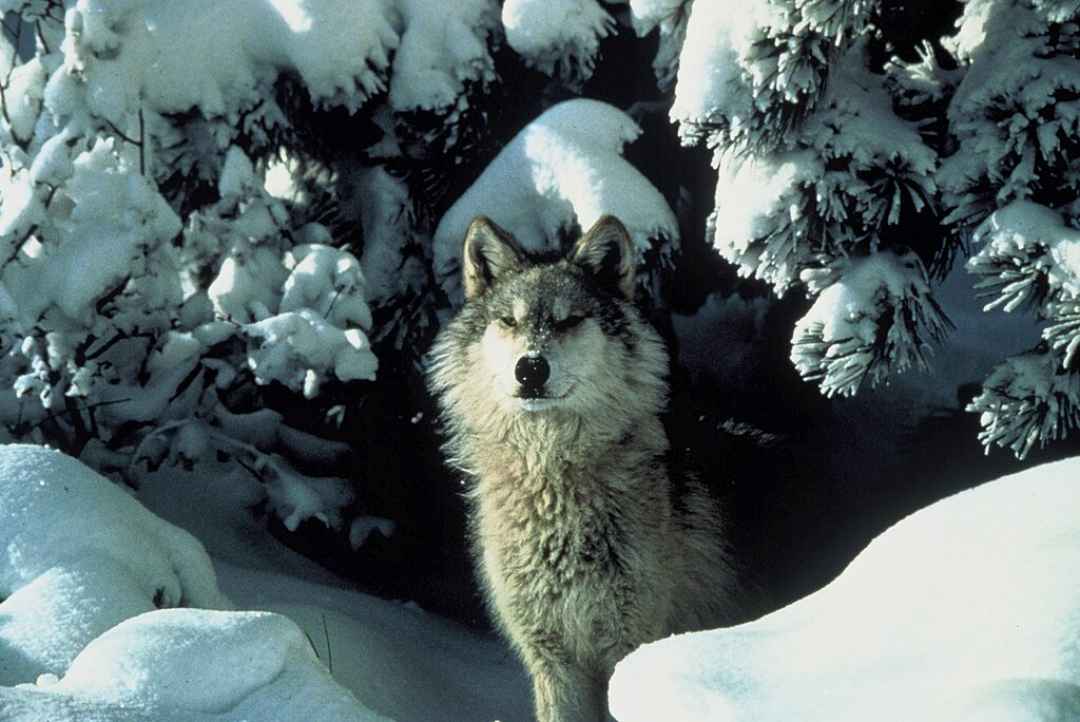
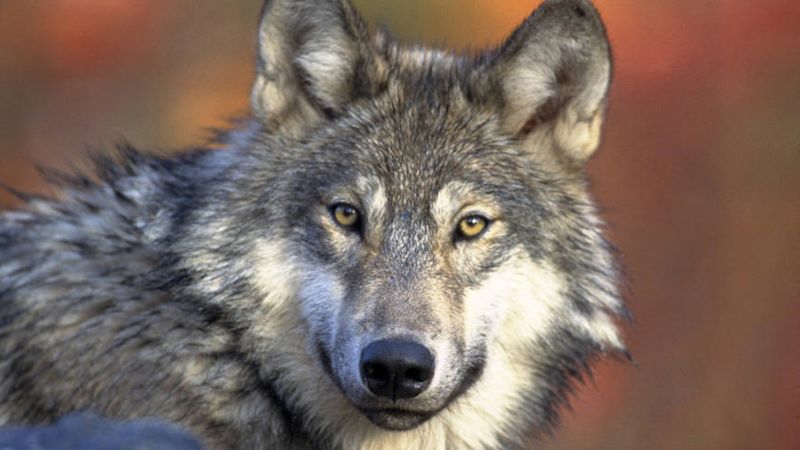
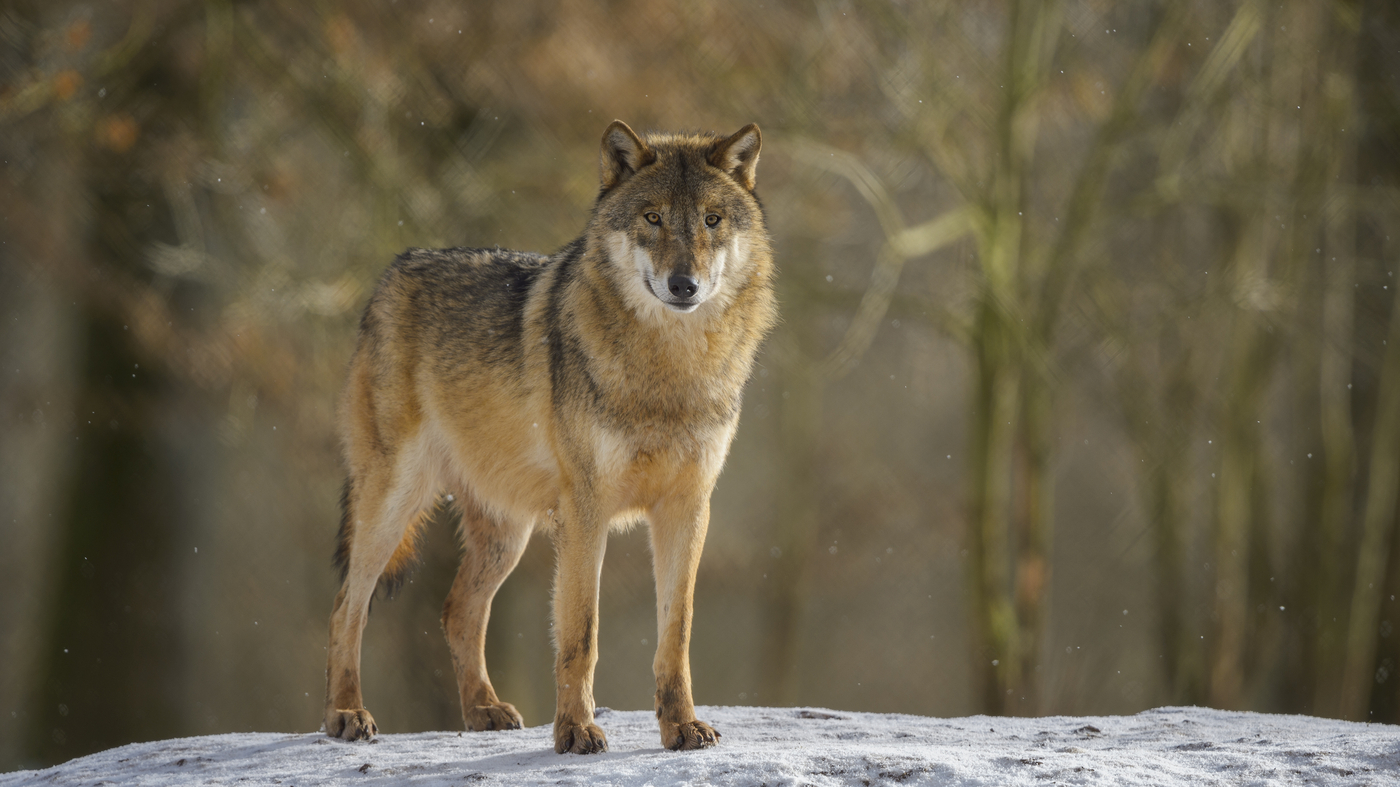
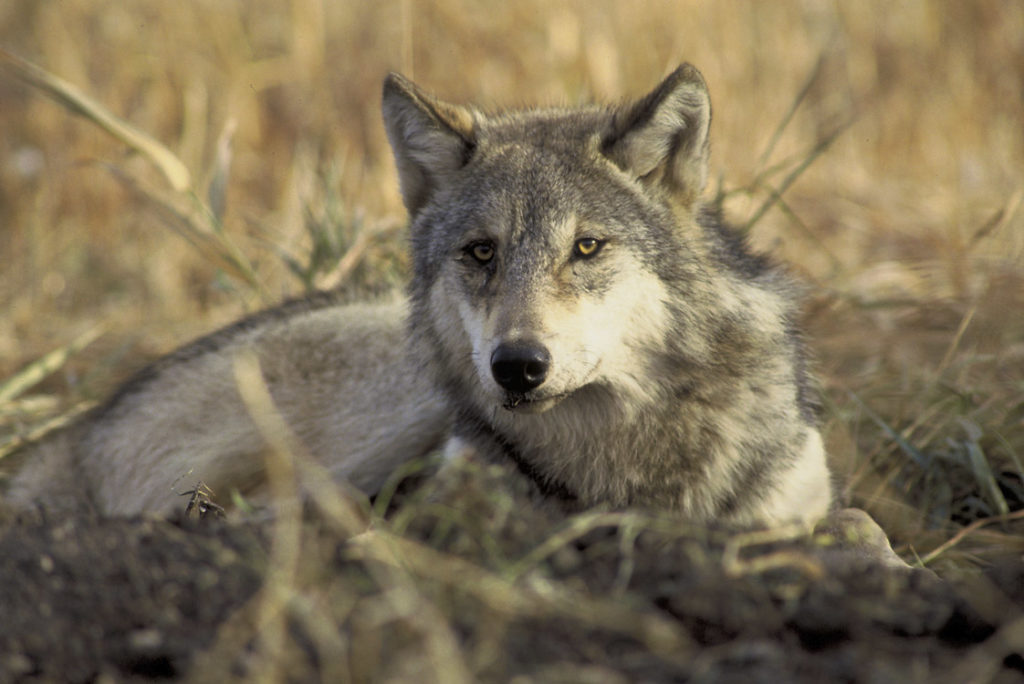
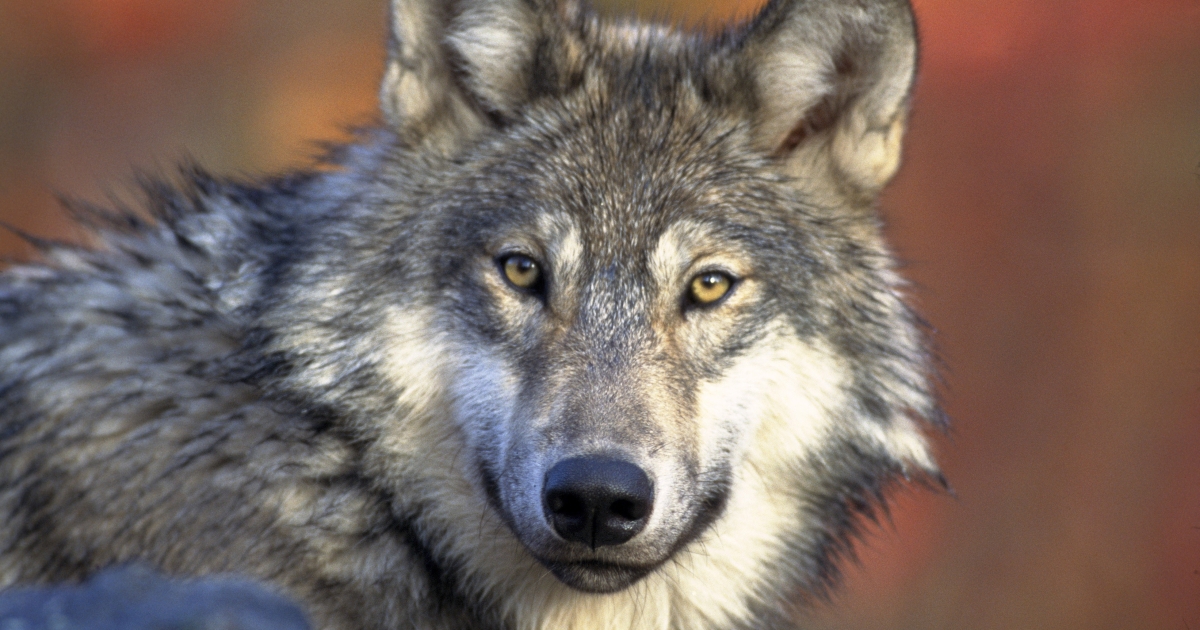
The U.S. Interior Department must decide by December 3 whether to remove gray wolves from the Endangered Species Act. President Trump’s executive order seeks to shift management to states, allowing farmers to shoot wolves threatening livestock. While farmers report significant financial losses and stress on herds, environmentalists argue delisting could erase decades of recovery and that wolves account for less than 1% of total livestock losses.
President Trump signed an executive order directing the Interior Department to evaluate removing federal protections for gray and Mexican wolves. The move, framed as support for the livestock industry, faces immediate legal and scientific pushback from conservation groups who argue the species remain vulnerable despite population growth.
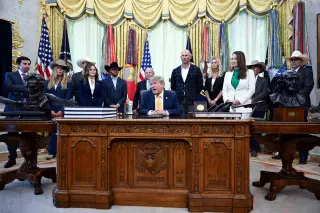
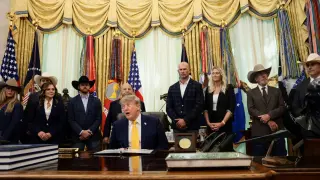
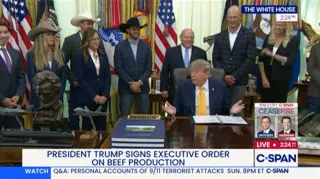
President Trump signed executive orders allowing some ranchers to process and sell meat directly to consumers without USDA-inspected facilities, aiming to break the dominance of large meatpackers. The administration also moved to delist gray wolves from endangered species protections. While Trump promised continued federal inspections for new facilities, critics warn of food safety risks and note that many changes require congressional action.
President Trump signed an executive order directing the Interior Department to evaluate removing federal protections for gray and Mexican wolves. The move aims to ease restrictions on ranchers but faces immediate legal hurdles and criticism from conservationists who argue the species are not yet fully recovered.
President Trump signed an executive order on September 4, 2026, directing the Department of the Interior to begin the process of removing federal endangered-species protections for gray and Mexican wolves. The move aims to allow ranchers and hunters to lethally manage wolves that prey on livestock, a long-standing point of contention between conservationists and agricultural interests. While the order was framed as part of broader measures to support beef production and rural communities, it faces immediate legal hurdles, as a 2022 federal court ruling currently maintains protections across most of the lower 48 states. Conservation groups have vowed to challenge the delisting in court, arguing that the species' recovery is not complete and that the order bypasses scientific frameworks. Conversely, ranchers and Republican lawmakers, including Representative Tom Tiffany, argue that wolves have recovered sufficiently and that management should be returned to state authorities. The order also directs agencies to ease compensation rules for ranchers and urges states to remove local protections, though the immediate legal status of wolves remains unchanged pending the Interior Department's review.
President Trump signed two executive orders on September 4, 2026, to address rancher concerns following backlash over beef import tariffs. The orders aim to allow ranchers to process and sell their own meat by expanding inspection options and to initiate the delisting of gray and Mexican wolves from the Endangered Species Act, enabling lethal control. These moves follow a 90-day pause on tariffs for 300,000 metric tons of imported ground beef, which angered domestic producers. The administration also announced increased enforcement against major meatpackers and new labeling requirements, though some measures require congressional action.
On September 4, 2026, President Donald Trump signed an executive order directing the Department of the Interior to begin the process of delisting or downlisting gray and Mexican gray wolves under the Endangered Species Act. The order encourages states to remove protections and allows ranchers to lethally remove wolves to protect livestock. While the White House frames this as a solution to livestock depredation, conservation groups argue the move is legally vulnerable and a political distraction from trade issues, while ranchers in states like Wisconsin and Colorado cite ongoing conflicts with predators.
Colossal Biosciences claimed to have 'de-extincted' the dire wolf, but it has been revealed that the animals are actually genetically edited gray wolves, not true dire wolves, highlighting a misleading PR narrative despite scientific clarifications.
Federal officials are offering a $50,000 reward for information about the deaths of three endangered gray wolves found in southern Oregon. The wolves, including an adult breeding female and two subadults, were discovered in an area of known wolf activity. Gray wolves in western Oregon are protected under the Endangered Species Act, and the Oregon Department of Fish and Wildlife is aware of just seven remaining in the Gearhart Mountain pack. Authorities are urging anyone with information about the case to come forward.
The U.S. Fish and Wildlife Service is offering a $50,000 reward for information regarding the deaths of three endangered gray wolves in southern Oregon, two of which were collared. The wolves were found dead in an area known to be inhabited by wolves, and officials are seeking information leading to an arrest, criminal conviction, or fine for those responsible. Gray wolves are protected under the Endangered Species Act, and it is illegal to harm or kill them.
Following the 1986 Chernobyl nuclear disaster, the local population of gray wolves in northern Ukraine and Belarus has thrived, prompting scientists to investigate whether the wolves are genetically resistant to cancer or simply benefitting from reduced human interference. Researchers are eager to collaborate with them to understand the potential implications for human cancer research.
Federal wildlife officials rejected requests to restore protections for gray wolves in the northern U.S Rocky Mountains, citing their population's lack of danger of extinction, and proposed a national recovery plan for wolves to be completed by December 2025. Conservationists criticized the decision, as state-sanctioned wolf hunts continue in Idaho, Montana, and Wyoming, with aggressive wolf-killing measures approved. Despite hunting pressure, wolves from the Northern Rockies region have expanded into new areas, while political pressure to remove protections for wolves in the western Great Lakes region continues.
The U.S. Fish and Wildlife Service has completed a status review and announced a National Recovery Plan for gray wolves in the Western United States, emphasizing the need for a comprehensive approach to conservation involving federal, state, and Tribal governments. Following an extensive assessment, the Service found that gray wolves are not at risk of extinction in the Western United States and will not be listed under the Endangered Species Act. The Service will develop a nationwide gray wolf recovery plan by December 2025 and engage in a national dialogue on coexistence with wolves. Collaboration with states and Tribes will be crucial in ensuring the long-term conservation and acceptance of gray wolves on the landscape.
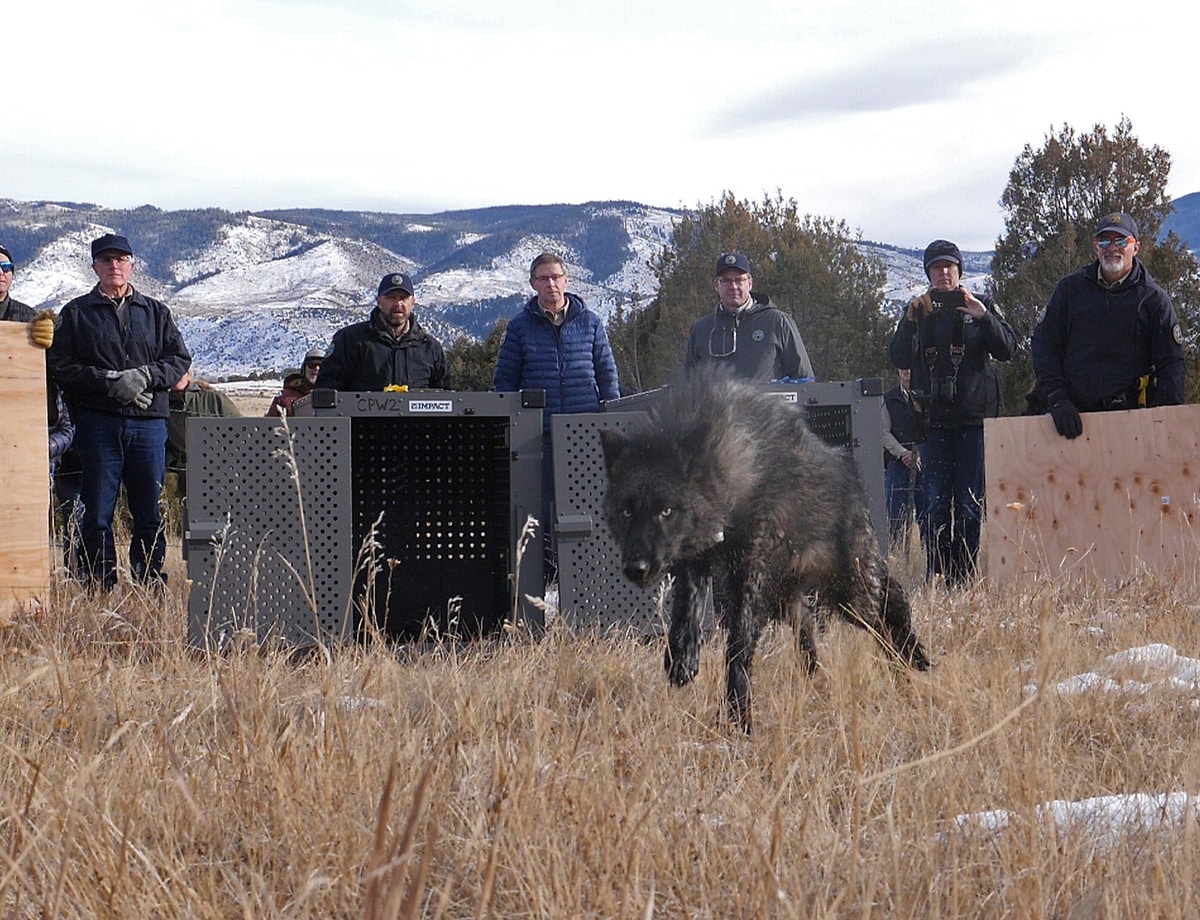
Five gray wolves have been released into the Rocky Mountain woods in Colorado as part of the state's voter-backed reintroduction program. The arrival of these wolves marks the first time in nearly a century that wolves have returned to the state. The reintroduction effort has faced opposition from ranchers and hunters, but advocates hope that the wolves will help restore a thriving population and complete a chain of canis lupus from the Northern Rockies to the Southwest. The state has implemented measures to manage conflicts between wolves and livestock, including compensation for livestock producers. The plan is to release 30 to 50 wolves over the next three to five years.
Representative Lauren Boebert, a Republican from Colorado, has criticized the reintroduction of gray wolves in Colorado, claiming that it puts ranchers and farmers' livestock at risk. However, environmentalists argue that this effort is necessary to address the biodiversity extinction crisis. The reintroduction of five gray wolves came after voters narrowly approved the measure in 2020. Opponents, including ranchers and rural residents, have raised concerns about the wolves preying on livestock. To address these concerns, the state will compensate ranchers for any animals preyed upon by the wolves. The exact reintroduction location has not been disclosed to protect the wolves.