
US Revokes Brazilian Ambassador’s Visa in Diplomatic Standoff
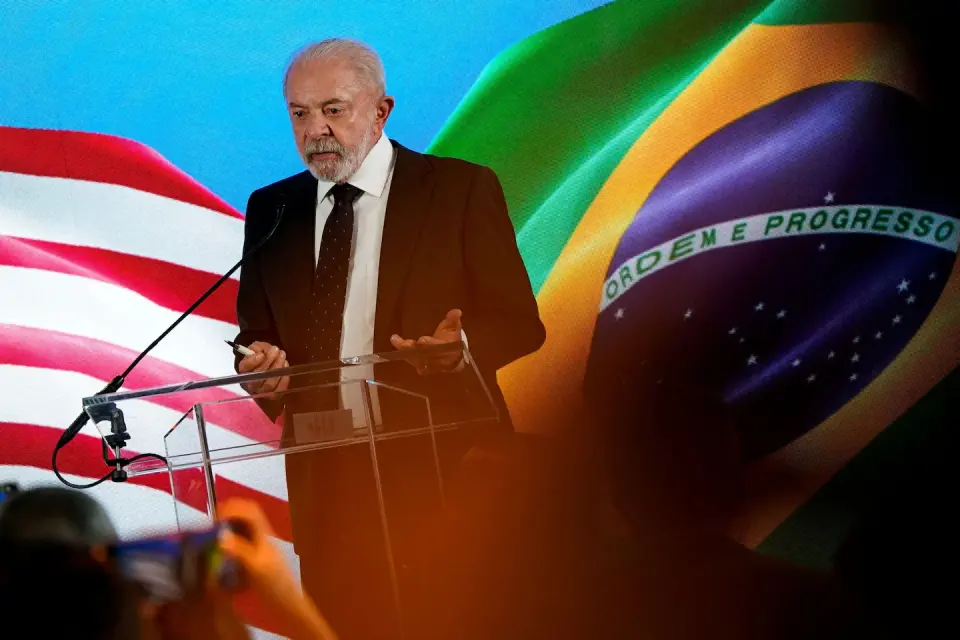
The US State Department revoked the visa of Brazilian ambassador Maria Luiza Ribeiro Viotti, citing Brazil’s refusal to approve US nominee Daniel Perez as ambassador to Brasilia. Brazil condemned the move as ideological interference, while the US framed it as a reciprocal measure. The dispute escalates tensions ahead of Brazil’s October presidential election.
Key points
- The US revoked the visa of Brazilian ambassador Maria Luiza Ribeiro Viotti, but she is not being expelled from the US.
- The US stated the action is reciprocal because Brazil has not approved Daniel Perez as its ambassador to Brasilia.
- Brazil denied visas to two US officials in July, accusing them of interfering in its upcoming election.
- Brazil’s presidency called the US justification 'false' and part of a deliberate escalation of hostile measures.
- The dispute occurs months before Brazil’s October presidential election, where Lula faces Flavio Bolsonaro.
Background
This visa revocation follows a series of US-Brazil disputes, including US tariffs and designations of Brazilian gangs as terrorist organizations. In July, Brazil denied visas to two US State Department officials, Riley M. Barnes and Samuel Samson, who planned to discuss election integrity and meet with right-wing candidate Flavio Bolsonaro. Brazil’s government accused the US of meddling in its domestic political process. The US had nominated Daniel Perez, a Florida state representative and ally of Secretary of State Marco Rubio, as ambassador to Brazil in June without prior consultation with Brazil, a step Brazil is currently reviewing. This tension occurs against a backdrop of US efforts to frame leftism as a global threat and restrict visas for far-left groups, as noted in earlier coverage.
How outlets are covering it
The Washington Post and The New York Times emphasize the US framing of the visa revocation as a 'reciprocal' response to Brazil’s delay in approving Daniel Perez. France 24 and the BBC highlight Brazil’s condemnation of the move as an ideological escalation and a violation of diplomatic norms. The BBC notes that Brazil’s Superior Electoral Court has rejected claims by Flavio Bolsonaro about the security of its electronic voting system, which the US officials allegedly sought to discuss. All sources agree the dispute is linked to Brazil’s upcoming October presidential election, but differ in emphasis: US outlets focus on the diplomatic reciprocity, while Brazilian and international outlets stress the perceived interference in Brazil’s democratic process.
Why it matters
The visa revocation signals a deepening diplomatic rift between the US and Brazil, Latin America’s largest economy. It could impact trade relations, security cooperation, and US influence in the region ahead of Brazil’s critical October election. The dispute also reflects broader US efforts to pressure Latin American governments on political and electoral issues, potentially straining ties with left-leaning administrations.
What to watch
The US has stated the visa will be reinstated if Brazil approves Daniel Perez as ambassador. Brazil’s presidency has rejected the US justification and may escalate diplomatic measures. The outcome of Brazil’s October presidential election, where Lula faces Flavio Bolsonaro, could further influence US-Brazil relations, especially if the right-wing candidate, a Trump ally, wins.
- Trump administration cancels Brazilian ambassador’s visa in tit-for-tat The Washington Post
- U.S. Revokes Visa of Top Brazilian Diplomat, Dialing Up Tensions The New York Times
- US revokes Brazilian ambassador's visa amid escalating diplomatic dispute France 24
- US revokes Brazil ambassador's visa as diplomatic tensions escalate BBC
- Trump administration revokes visa of Brazil’s ambassador to US in spat with nation’s president Anchorage Daily News
Want the full story? Read the original reporting
Read on The Washington Post