foreign-policy18.915 min read
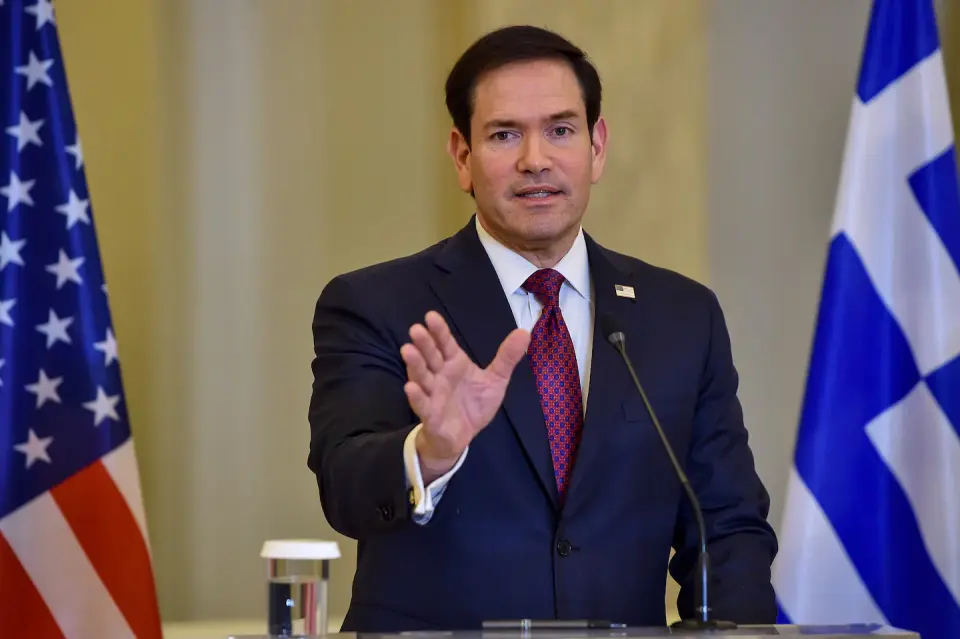
Rubio frames 'America First' as Western civilizational duty in Athens address
2 days ago•Source: The Washington Post

The latest foreign policy stories, each synthesized from multiple sources with added background and context.
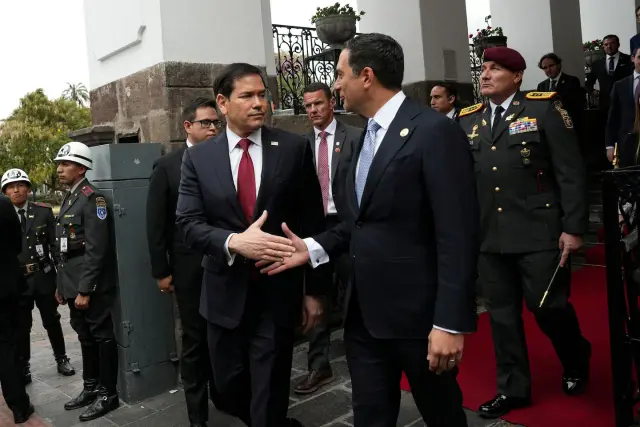
The Trump administration has redirected $52 million in military assistance originally designated for European and Middle Eastern nations to conservative-leaning governments in Latin America. This move defies congressional holds and statutory requirements, prioritizing Western Hemisphere security over support for countries affected by the war in Ukraine.
The Washington Post•1 month ago
Yahoo Finance•1 month ago
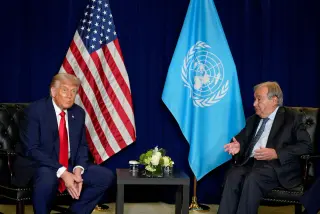
The Trump administration is pushing to shape the UN secretary-general selection, with five of eight nominees being women, while seeking reforms and budget cuts at the world body that align with U.S. priorities; the outcome will hinge on Security Council votes and potential vetoes from permanent members.
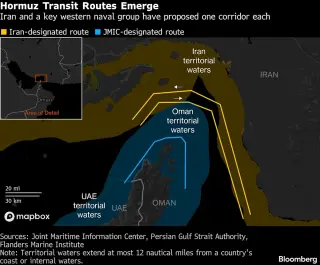
Iran and Oman are nearing a bilateral deal to govern traffic through the Strait of Hormuz, including a proposed “shipping map” to manage routes and sovereignty, with details like fees and security to be discussed in a later phase. The move comes as attacks in Hormuz persist and U.S. pressure on Iran intensifies, pushing oil markets higher. Mediation continues via Qatar and Pakistan, while Iran says reopening the strait would be a separate issue from any deal, not a concession tied to the arrangement.
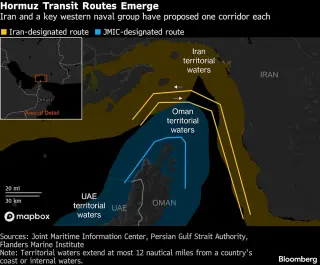
Bloomberg reports the US will soon announce unprecedented economic measures against Iran, led by Treasury Secretary Scott Bessent, as part of a two‑pronged strategy that includes maritime port blockades to pressure Tehran amid ongoing Strait of Hormuz tensions and a strained oil market.
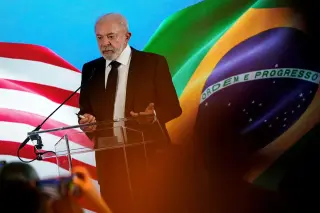
The Trump administration revoked Brazil’s ambassador to Washington’s visa in a reciprocal move after Brazil did not approve President Trump’s nominee to Brasília, underscoring growing tensions in U.S.–Brazil diplomacy.
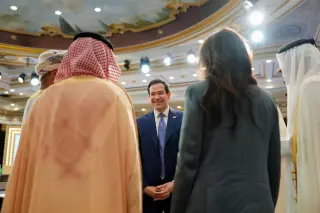
Secretary of State Marco Rubio travelled to the Gulf on a two‑day mission to reassure U.S. allies in Bahrain, the UAE and Kuwait that Washington isn’t sidelining them from Iran negotiations, a bid to steady a region still reeling from war and shifting alliances as Gulf states weigh their stance toward Tehran and its leverage while Rubio emphasizes U.S. security commitments and economic ties.
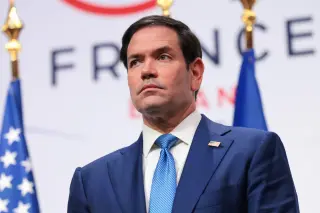
Secretary of State Marco Rubio will travel to the Gulf—meeting UAE, Kuwait and Bahrain—to press allies on the Iran nuclear deal, a high-stakes mission as critics question his hawkish stance and Vice President JD Vance has largely steered public debate on Iran, potentially reshaping U.S. diplomacy amid a fragile Tehran ceasefire.

A group of 57 Democratic lawmakers led by McGovern, Markey, Van Hollen, Dean, and Dexter urged Secretary of State Rubio to press Israel to reestablish a Gaza-to-East Jerusalem/West Bank medical-evacuation corridor for Palestinian cancer patients, rebuild Gaza’s hospitals, and ensure evacuees can return. They cited a six-year-old leukemia patient who died awaiting evacuation and outlined five actions, including multilateral diplomacy with Qatar, Egypt, and Türkiye, corridor restoration, guaranteed return, medical infrastructure protection, and a response to a 2025 inquiry.
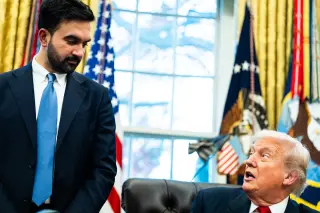
New York City Mayor Zohran Mamdani planned his first meeting with Colombian President Gustavo Petro during UN events, but the Trump administration intervened behind the scenes and the State Department nixed it, illustrating a high-profile clash over diplomacy with a foreign leader.
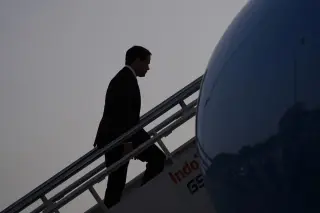
U.S. Secretary of State Marco Rubio spent four days in India engaging in ceremonial moments—from praying with Kolkata nuns to meeting Prime Minister Narendra Modi, visiting the Taj Mahal, and watching folk performances in Jaipur—part of a push to repair relations strained by Trump-era tariffs and Pakistan ties. While the pageantry signals a diplomatic reset and has drawn some cautious optimism from analysts, critics say the approach may be more transactional. The trip is framed around strengthening Indo-Pacific alignment, with signs of positive shifts like India reducing its Russian energy purchases cited as potential gains.
The State Department issued new nonimmigrant visa rules requiring missions to ask applicants whether they fear returning to their home country, and to deny U.S. travel documents for those who say yes, a move that could curb asylum claims, according to a cable reviewed by The Washington Post.