
Beijing Defies US 'Economic D-Day' Threats Over Iranian Oil Trade
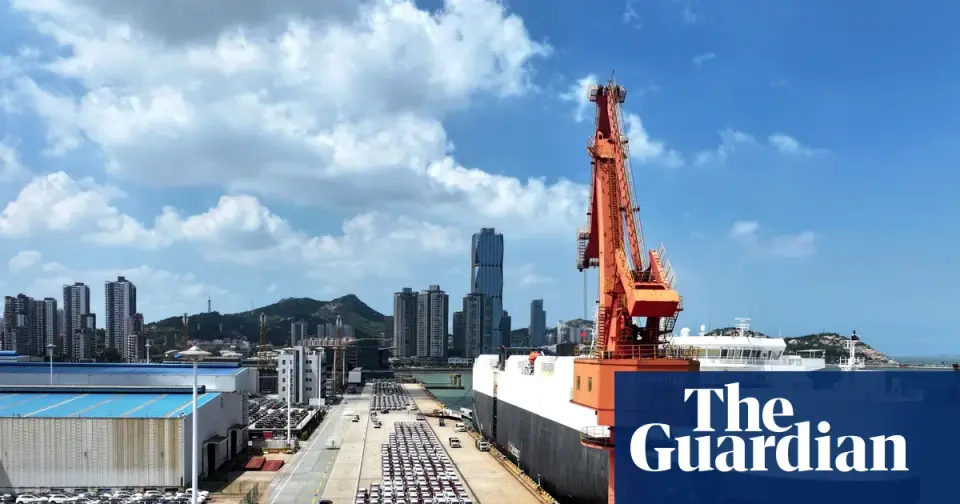
The US Treasury launched 'Operation Economic Outcast' to isolate Iran financially, but China warned it will protect its interests, creating a diplomatic crisis ahead of a Trump-Xi summit.
Key points
- Treasury Secretary Scott Bessent announced 'Operation Economic Outcast,' an unprecedented campaign to sever Iran’s global financial connections and reopen the Strait of Hormuz.
- China denounced the US threats as illegal, stating it will take 'all necessary measures' to safeguard its national interests and protect its trade with Tehran.
- China purchases approximately 80% of Iran’s oil exports, making it the primary target of potential secondary sanctions, though no Chinese institutions were initially listed.
- Bessent warned that entities facilitating money laundering for Iran would be removed from the US dollar system, but offered a 'cure period' to avoid destabilizing global finance.
- The US administration is balancing economic pressure with the need to maintain a fragile truce with China before a scheduled summit between Donald Trump and Xi Jinping next month.
Background
This escalation follows months of conflict and stalled peace talks. Previous coverage in July and August noted that China, Russia, and Iran have formed a de facto axis of cooperation to evade US sanctions. Earlier in August, Iran condemned similar US measures as 'extraterritorial' assaults on sovereignty, while the Strait of Hormuz remained partially constrained, with only two commercial vessels transiting on Monday.
How outlets are covering it
The Guardian and The New York Times emphasize the US administration’s caution, noting that Bessent avoided naming Chinese financial institutions to prevent a 'blow up' of the global financial system and to preserve the upcoming Trump-Xi summit. CBS News highlights the aggressive tone of the 'economic onslaught,' with Bessent comparing the move to D-Day, while also noting that some experts, like Brett Erickson, argue the measures are insufficient to force a quick settlement. The NYT points out that the US is risking a clash with Beijing to achieve what military force has failed to do, whereas CBS notes that allies like the UAE have already suspended trade with Iran, while Turkey has not responded.
Why it matters
The standoff threatens to deepen the rift between the US and China, potentially leading to financial retaliation or critical mineral export limits. It also signals a shift from military to economic warfare in the six-month-old conflict with Iran, with significant implications for global oil prices and the stability of the Strait of Hormuz ahead of US congressional elections in November.
What to watch
Watch for the US Treasury to announce a major financial institution sanction by the end of the week. Monitor the outcome of the Trump-Xi summit next month, as China’s response to the sanctions could define the trajectory of US-China relations. Also, track shipping traffic through the Strait of Hormuz, which remains volatile, with recent reports of an oil tanker being hit by an unidentified projectile.
- China denounces US threat of sanctions over trade with Iran The Guardian
- China Pushes Back After Trump Tightens the Screws on Iran The New York Times
- The US says it’ll crack down on countries doing business with Iran. Who’s buying Iranian oil? KCCI
- Iran vows to resist widened US sanctions, says Washington seeks talks Reuters
- Bessent announces campaign to create "economic onslaught" against Iran and its partners CBS News
Want the full story? Read the original reporting
Read on The Guardian