
China Defies US 'Economic D-Day' Sanctions on Iran Amid Strait of Hormuz Tensions
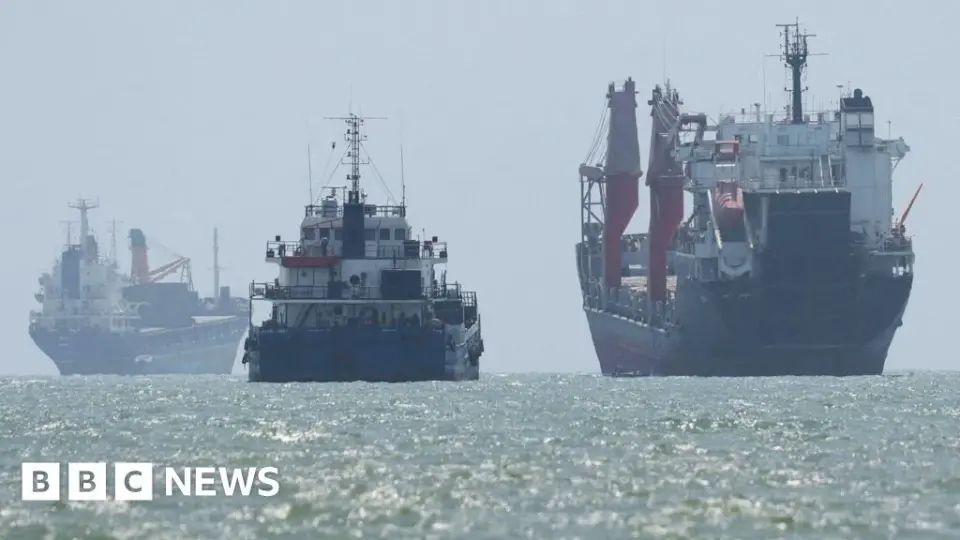
The US Treasury launched 'Operation Economic Outcast,' a sweeping secondary sanctions campaign targeting Iran and its trading partners, including China. Beijing condemned the measures as illegal, while Tehran claimed readiness. Analysts doubt the immediate impact on oil flows, noting China’s historical resistance to US pressure.
Key points
- US Treasury Secretary Scott Bessent announced 'Operation Economic Outcast,' targeting nearly 60 entities, vessels, and individuals linked to Iranian oil evasion.
- China’s Foreign Ministry condemned the sanctions as 'illegal unilateral' measures, vowing to protect its interests and maintain trade with Iran within international law.
- Iran’s Economy Minister Ali Madanizadeh stated Tehran is 'fully prepared' with a two-year plan to manage the economic impact, predicting US failure.
- The sanctions follow a six-month conflict with Iran, which has blocked the Strait of Hormuz, causing global oil price hikes and a naval blockade.
- Bessent warned that any nation facilitating Iranian trade would face isolation from the US dollar system, with Trump personally contacting world leaders to cease interactions.
Background
This escalation follows a broader US trade policy shift, including tariffs on 60 countries and earlier sanctions on Iran’s trade lifelines. In late August 2026, the Iranian rial hit a record low, and the UAE suspended trade with Iran. Previous coverage highlighted that 90% of Iran’s oil exports go to China, making Beijing a critical target for these secondary sanctions.
How outlets are covering it
BBC and CBS News emphasize the diplomatic friction with China, noting Beijing’s firm opposition and the potential impact on rare earth exports. Fox News highlights the military dimension, including a recent oil tanker attack in the Strait of Hormuz and US warnings about mine removal. While Bessent claims this is the 'single greatest financial offensive ever,' analysts like David Oxley (BBC) and Brett Erickson (CBS) argue the direct impact on Iranian energy revenues may be limited, as China has historically ignored US sanctions. Iran’s officials, per Fox News and BBC, maintain a defiant stance, claiming the sanctions will fail.
Why it matters
The sanctions could reshape global energy trade and US-China relations, especially ahead of planned Trump-Xi talks. If China resists, it may trigger retaliatory measures in critical mineral supply chains. Conversely, if partners like India and Russia comply, Iran’s economic isolation could accelerate, potentially destabilizing the regime or forcing a diplomatic resolution to the ongoing conflict.
What to watch
Watch for the US Treasury’s expected announcement of a major financial institution being sanctioned by the end of the week. Monitor China’s response, including potential rare earth export controls, and any diplomatic moves from Trump to world leaders. Also, track the status of the Strait of Hormuz, as the US Navy claims to have cleared all mines, but tensions remain high.
- China warns it will protect its interests after US widens sanctions against Iran BBC
- Iran vows to resist widened US sanctions, says Washington seeks talks Reuters
- China Pushes Back After Trump Tightens the Screws on Iran The New York Times
- Bessent announces campaign to create "economic onslaught" against Iran and its partners CBS News
- Oil tanker attacked in Strait of Hormuz as Iran claims plan to shoulder Trump sanctions Fox News
Want the full story? Read the original reporting
Read on BBC