
Hormuz Talks Stall as Trump Demands 50-Year War Reparations
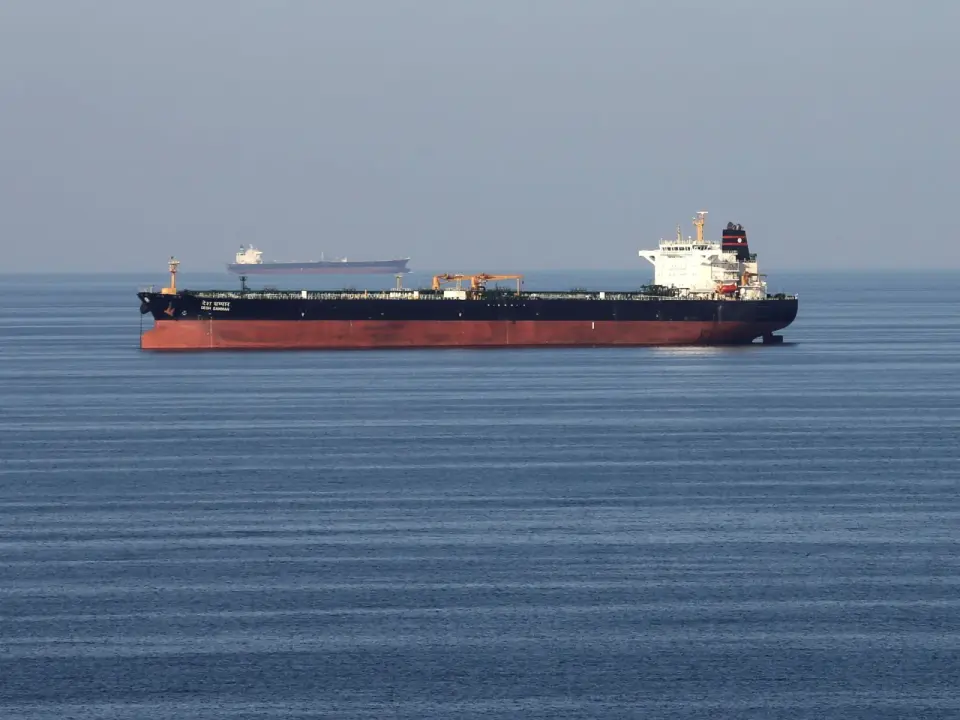
Negotiations to reopen the Strait of Hormuz have stalled as the US and Iran exchange maximalist demands. President Trump has demanded compensation for US casualties and regional conflicts spanning five decades, while Iran insists on lifting sanctions, ending the naval blockade, and reparations for the current war. Analysts warn that these widening gaps make a broader peace deal unlikely until the strait issue is resolved.
Key points
- Trump demanded Iran pay for US military deaths, including the 2000 USS Cole attack, and for protesters killed in Iran over 50 years.
- Iran’s Supreme National Security Council listed six conditions for reopening Hormuz, including ending US threats, lifting sanctions, and releasing frozen assets.
- Iran maintains it is only negotiating with Oman, not directly with the US, while the US claims direct involvement.
- Oil prices jumped over 5% as hopes for a deal faded, with analysts noting the standoff is now a test of endurance between the two sides.
- JD Vance expressed confidence in a deal, contradicting Trump’s escalatory rhetoric, while Israel rejected a separate US-backed peace plan for Gaza.
Background
Since the war began in late February, the Strait of Hormuz has been largely closed, disrupting 20% of global oil and LNG supplies. Previous indirect talks in Doha and Rome focused on technical implementation and naval withdrawals, but high-level direct negotiations have remained paused. Iran has consistently linked any reopening to the lifting of sanctions and the release of frozen assets, while the US has maintained a naval blockade.
How outlets are covering it
Al Jazeera reports that the two sides are moving further apart, with experts noting that broader peace talks are unlikely until the Hormuz issue is settled. AP News highlights the contradiction between Trump’s reparations demands and VP Vance’s confidence in a deal, noting that Iran has stated it has no plans to impose tolls. The Guardian emphasizes that Trump’s demands are likely a nonstarter for Tehran and notes the broader context of Israel rejecting a US-backed peace plan for Gaza, suggesting a wider diplomatic impasse.
Why it matters
The Strait of Hormuz is a critical global energy chokepoint. A prolonged closure or continued blockade risks sustained high oil prices, inflation, and economic instability. The current standoff indicates that a quick resolution is unlikely, potentially prolonging the economic impact of the war on global markets and energy supplies.
What to watch
Negotiations are expected to remain stalled until the US and Iran can bridge the gap on reparations and sanctions. Iran’s talks with Oman on new shipping lanes are in final stages, but a broader deal depends on resolving the political and economic conditions set by both sides. Oil prices may continue to fluctuate as markets assess the likelihood of a resolution.
- Iran, US set new conditions during Hormuz talks: What does this mean? Al Jazeera
- Trump pivots back to sanctions for Iran as other strategies to end his war fizzle NPR
- Trump scoffs at Iran’s demand for war reparations and other Mideast developments AP News
- Trump demands Iran pay compensation for decades of US soldier deaths The Guardian
- The Latest: Trump seeks an exit from his Iran war as Mideast violence spreads WRAL
Want the full story? Read the original reporting
Read on Al Jazeera