
Iran offers phased Hormuz deal but rejects nuclear concessions, citing US distrust
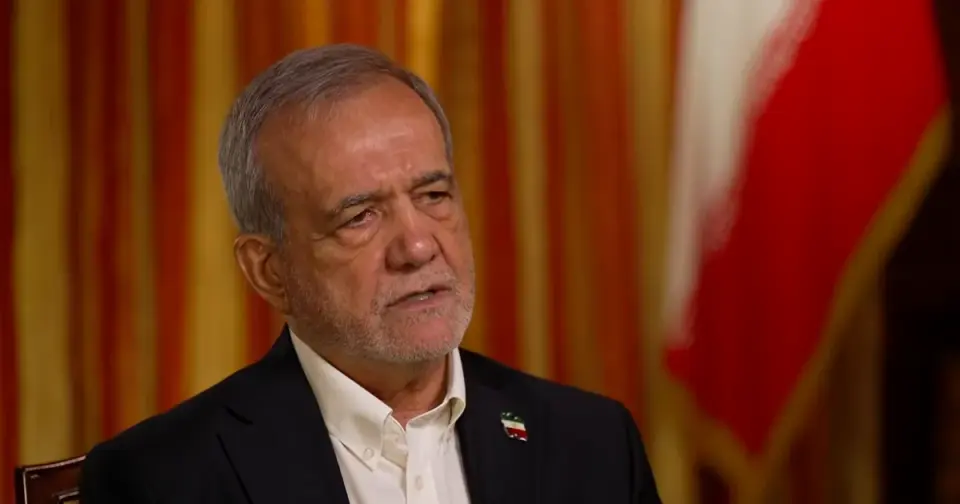
Iranian President Masoud Pezeshkian and Foreign Minister Abbas Araghchi have proposed a seven-day timeline to reopen the Strait of Hormuz, contingent on the US lifting its naval blockade and sanctions. While Tehran is willing to discuss its nuclear program under the Non-Proliferation Treaty, it refuses to make immediate concessions on its uranium stockpile or allow inspectors until the US demonstrates good faith. The proposal follows the collapse of a June memorandum of understanding and highlights a deadlock where neither side is willing to move first.
Key points
- Iran's Foreign Minister Abbas Araghchi outlined a seven-day plan: the US has four to five days to meet conditions, the strait reopens on day six, and negotiations begin on day seven.
- President Pezeshkian stated that Iran is willing to relinquish its 60% enriched uranium stockpile within the framework of international law but refuses to accept new inspections or broader nuclear concessions until the US lifts its blockade.
- The proposal is linked to a previous memorandum of understanding signed in Pakistan in June, which collapsed due to disputes over shipping lanes and subsequent military strikes.
- Pezeshkian declined to meet with President Trump, citing a lack of trust after the US broke previous agreements and conducted strikes during negotiations.
- Oil prices fell by more than 2% on Friday as markets reacted to the renewed diplomatic efforts, though analysts warn that fuel price relief will be gradual.
Background
The current standoff follows a war that began in February 2026, involving US and Israeli strikes on Iranian nuclear facilities and leadership. A ceasefire agreement reached in June via a memorandum of understanding in Pakistan collapsed shortly after, leading to renewed conflict. The US has imposed a naval blockade on Iranian ports and frozen foreign accounts, while Iran has restricted traffic in the Strait of Hormuz. Previous attempts at diplomacy, including the 2015 JCPOA, have failed, with the US withdrawing from the deal in 2018.
How outlets are covering it
Outlets highlight different aspects of the diplomatic impasse. CBS News focuses on Pezeshkian's personal refusal to meet Trump, attributing it to deep-seated distrust after US strikes during previous talks. Fox News emphasizes the economic impact, noting the drop in oil prices and the US administration's political pressure regarding fuel costs ahead of midterm elections. Al Jazeera reports on the broader regional context, including Houthi assurances to the US and UN Secretary-General Guterres's statement that Iran is not seeking nuclear weapons. Iran International provides a nuanced view, noting that while Pezeshkian is open to discussing the uranium stockpile, senior Iranian officials rule out broader nuclear concessions, highlighting a domestic divide between reformists and hardliners. All sources agree that the core issue is sequencing: Iran demands sanctions relief first, while the US demands the strait's reopening first.
Why it matters
The Strait of Hormuz is a critical global energy chokepoint; its closure disrupts oil supplies and inflates global energy prices. The deadlock between the US and Iran risks prolonged economic instability and further military escalation. The outcome of these negotiations will determine whether the region moves toward a broader peace or continues a cycle of conflict and sanctions, with significant implications for global energy markets and US domestic politics ahead of the November midterm elections.
What to watch
The US must decide whether to accept Iran's seven-day proposal. If accepted, the timeline begins immediately; if rejected, the strait remains closed. Pezeshkian has indicated that talks on the nuclear program will only begin after the strait is reopened and the blockade lifted. The US midterm elections in November are a key deadline, with Trump suggesting a deal may come after the elections, while Pezeshkian hopes to resolve the issue before then.
- Transcript: Iranian President Masoud Pezeshkian on "Face the Nation with Margaret Brennan" CBS News
- Crude oil prices slide after Iranian and US negotiators discuss opening Strait of Hormuz Fox News
- Iranian President Masoud Pezeshkian talks about proposal to reopen Strait of Hormuz, says Iran would allow nuclear inspectors CBS News
- Iran war updates: Allies in Riyadh as Iran says nuclear programme peaceful Al Jazeera
- Iran rules out nuclear concessions even if US accepts Hormuz proposal Iran International
Want the full story? Read the original reporting
Read on CBS News