
Iran Oil Minister Resigns as Rial Collapses and Hormuz Standoff Deepens
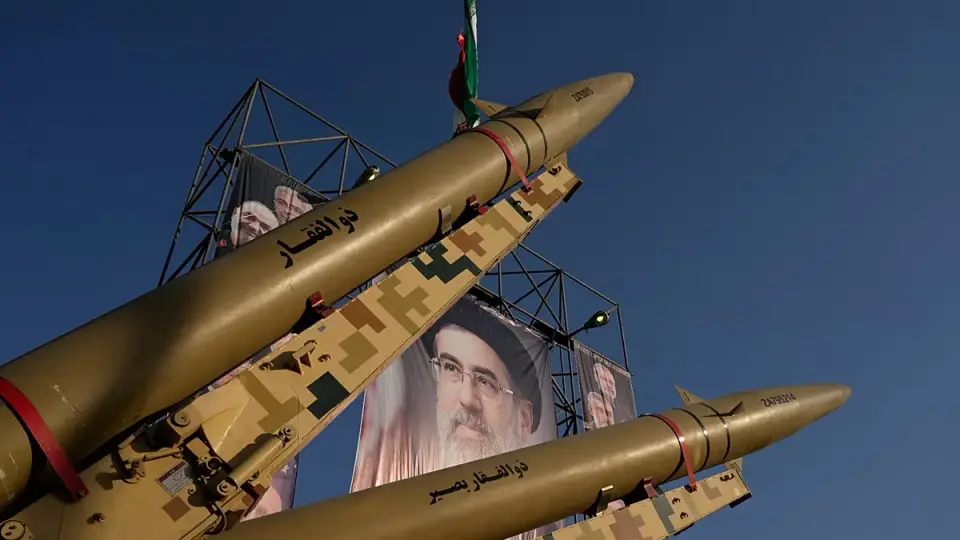
Iran’s oil minister resigned as the currency hit record lows and exports stalled, while military officials asserted control over the Strait of Hormuz despite US claims of a total blockade.
Key points
- Oil Minister Mohsen Paknejad resigned, with officials citing personal reasons, though speculation links it to export failures; Hamid Bovard was appointed acting minister.
- The US dollar reached a record 270,000 tomans on the informal market, more than double its value at the start of 2026.
- US Treasury Secretary Scott Bessent stated Iran loaded zero barrels of crude in September, a claim Iran’s military disputes by asserting full control of Hormuz.
- Foreign Minister Abbas Araghchi stated the strait could reopen within seven days if hostile measures are lifted, while Parliament speaker Mohammad Bagher Ghalibaf rejected one-sided US demands.
- Military chief Ali Abdollahi warned that any new war would 'engulf everyone,' targeting US interests in the region without restriction.
Background
This crisis follows weeks of escalating economic strain, with the rial previously hitting 2.5 million per dollar in late September. Since July, Iranian crude shipments through Hormuz have stalled to record lows due to a US maritime blockade, severing Tehran’s primary revenue source. Earlier diplomatic efforts, including the Islamabad memorandum, have failed to resolve the standoff, leading to the current diplomatic and military impasse.
How outlets are covering it
Euronews highlights the internal economic collapse, noting the rial’s record low and the resignation of the oil minister, while framing the military’s Hormuz claims as a counter to US pressure. IranWire emphasizes the military’s aggressive posture, focusing on warnings to US host nations and threats against the IAEA. Fox News frames the situation as a diplomatic stalemate, noting that Iran is talking peace but refusing to bend to US nuclear demands, while also reporting on related regional security incidents like the FlyDubai attack and Houthi strikes on Saudi facilities.
Why it matters
The collapse of Iran’s currency and the cessation of oil exports threaten to destabilize the global energy market, as evidenced by rising Brent crude prices. The military threats against US bases in the region raise the risk of a broader regional conflict, while the diplomatic deadlock suggests no immediate resolution to the Hormuz blockade.
What to watch
Watch for the new acting oil minister’s strategies to resume exports and any movement in the seven-day deadline proposed by Tehran for reopening the strait. Monitor for further military escalations or diplomatic breakthroughs via intermediaries, as well as the impact of Houthi attacks on Saudi oil infrastructure on global prices.
- Iran insists it controls Hormuz as rial hits record low and exports dry up Euronews.com
- Iran says Hormuz to remain closed until US meets conditions Al Jazeera
- Iranian Military Chief Warns Regional US Host Nations IranWire
- Iran talking peace, but unwilling to bend to Trump, US nuclear demands Fox News
- Oil Flows Are Up, but Iran Is Still Menacing the Strait of Hormuz The New York Times
Want the full story? Read the original reporting
Read on Euronews.com