Stock index futures rose on optimism that tensions with Iran could ease, with S&P 500 futures up about 0.3% to 7,468.18 and Nasdaq-100 futures up about 0.2% to 29,422.07, ahead of Fed-related news and other key data.
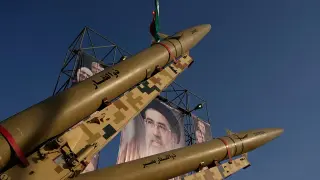
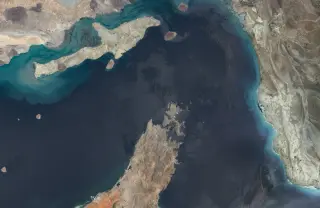
Iran’s latest counterproposal remains noncommittal on suspending enrichment or surrendering its HEU, keeping US demands in place as diplomacy stalls and regional leaders press for a negotiated pause. President Trump canceled a planned May 19 strike after Gulf leaders urged delay but kept military forces on standby for a large-scale option. Tehran is formalizing control over transit through the Strait of Hormuz via the Persian Gulf Strait Authority, challenging UNCLOS interpretations and signaling closer management of the waterway, including potential limits on critical cables. CENTCOM reports 85 commercial vessels redirected and four disabled since mid-April, while Israeli strikes against Palestinian Islamic Jihad in Lebanon continue and Iranian-backed Iraqi militias conduct drone attacks against Gulf states, reflecting a volatile mix of diplomacy and coercion amid ongoing talks.
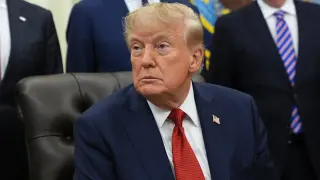
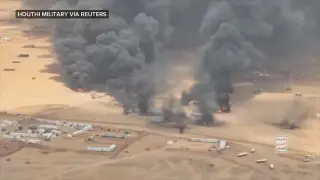
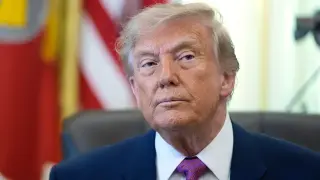
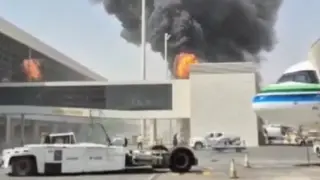
Trump told Axios the clock is ticking for Iran to offer a better deal or face much stronger U.S. strikes, as Washington weighs military options and seeks a new proposal. He said the U.S. wants a deal to end the war but won’t accept what Iran has offered, with mediation continuing through Pakistan and Qatar and talks followed by a phone with Netanyahu. Meanwhile, a drone attack damaged the UAE’s Barakah nuclear plant, though officials report no radiological risk and no direct attribution to Iran at this time.
The U.S. says it struck and disabled two Iranian-flagged oil tankers near the Gulf of Oman to prevent port access, signaling continued enforcement of a blockade while awaiting Tehran’s response to a proposed peace deal, a move that clouds a fragile ceasefire and raises the risk of escalation.
Oil prices rose after the US and Iran exchanged fire in the Strait of Hormuz, with Washington saying it intercepted unprovoked Iranian attacks and conducting self-defence strikes as ships headed out of the Gulf; Brent jumped about 2.6% to $102.70 a barrel and US crude rose around 2.3% to $97, underscoring supply worries amid ongoing ceasefire talks.
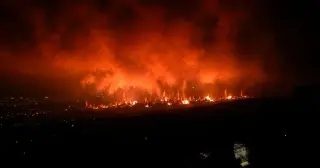
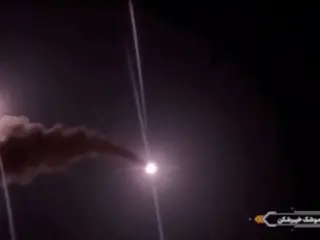
Following unprovoked Iranian attacks on three US destroyers in the Strait of Hormuz, US Central Command says it conducted defensive strikes against Iranian missile, drone and launch sites; President Trump says the ceasefire with Iran is still in effect and branded the strikes a 'love tap,' while Iran accuses Washington of violating the truce and Responds with further attacks. Explosions and air defences are reported in Tehran and southern Iran, with ongoing strike exchanges near the Hormuz corridor.
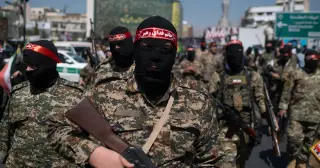
Iran's Revolutionary Guard says commercial shipping through the Strait of Hormuz will be secured, even as the US pauses its escort mission to pursue a peace deal; the broader conflict features Iranian missiles and drones against US forces, an attack on a CMA CGM vessel in the Strait, and diplomatic talks with China as Tehran seeks a negotiated end to the war.
Oil prices eased after Monday’s sharp gains as traders weigh the risk of immediate supply disruption from renewed U.S.-Iran tensions and a fragile ceasefire; despite overall stock levels remaining above emergency thresholds, analysts warn of regional shortages in refined products and uneven drawdowns that could tighten supplies in areas like South Africa, India, Thailand and Taiwan.
Leaders from roughly 50 countries, including all EU members and Canada’s Mark Carney, assemble in Yerevan for the 8th European Political Community summit to discuss unity, stability and shifting geopolitics, as Armenia pursues closer EU ties while balancing relations with Russia; the gathering is co-chaired by Armenian PM Nikol Pashinyan and European Council President António Costa, with Zelenskyy, Starmer, Macron and Tusk among the attendees.
ISW-CTP’s Iran Update for May 1, 2026 notes the ongoing ceasefire with daily analysis of US/Israeli strikes and Iran’s response. Tehran is attempting to reconstitute missiles and drones, regain access to weapons hidden from prior strikes, and press for control over the Strait of Hormuz while insisting nuclear issues stay off the negotiating table; President Trump expresses dissatisfaction with Iran’s latest proposal that links Hormuz guarantees to concessions. Western sanctions, the maritime blockade, and Iran’s domestic economic mismanagement and IRGC influence are worsening the economy, though Iran blames US pressure. CENTCOM reports about 45 vessels turning back from Iranian ports. On multiple fronts, Hezbollah continues FPV drone attacks and Israel counters with nets, radars, Iron Dome interceptions, and strikes on Hezbollah sites in Lebanon, while UKMTO notes an unclaimed skiff incident near Yemen. The US Treasury also designated Iranian sanctions-evading networks and crypto-related activity as part of ongoing pressure campaigns.
On day 62 of the US-Israel confrontation with Iran, Trump touts a port blockade as Tehran is urged to 'give up,' while Iran says the measures haven’t halted oil output and diplomacy remains possible. The blockage fuels an energy shock, with Brent near $120 a barrel and US gas prices at four-year highs, as the two sides clash over uranium stockpiles, seized assets, and war reparations, with regional spillovers to Bahrain and Gaza and comments from Putin and U.S. lawmakers about cost and strategy.
Iran’s new supreme leader Mojtaba Khamenei pledged to defend the Islamic Republic’s nuclear and missile capabilities as energy prices spike to multi-year highs amid stalled talks and ongoing Strait of Hormuz tensions, with the U.S. weighing military options to pressure Tehran while Tehran remains defiant.
Brent crude jumped to a four-year high near $126 a barrel after reports that the U.S. military would brief President Trump on possible action against Iran and maintain a naval blockade through the Strait of Hormuz, raising supply‑disruption fears from constrained Iranian exports; analysts warned the rally could persist if disruptions continue, with Goldman Sachs noting potential upside to prices if geopolitical stress remains.
President Trump warned Iran to “get smart soon” as his national security team weighs military options in the Strait of Hormuz amid stalled talks on Iran’s nuclear program, with the U.S. naval blockade continuing, energy prices rising, and Iran facing economic strain as tensions persist.
Brent crude rose above $111 as ongoing Hormuz disruption and stalled US–Iran talks prompted banks to lift price outlooks: ING raised its Brent forecast for Q2 and 2026, while Goldman Sachs increased its Q4 outlook, with WTI near $100 as markets price a slower normalization of flows through the Strait of Hormuz and tight inventories.