
Iran separates Hormuz reopening from nuclear concessions in stalled UN talks
Iran has rejected linking the reopening of the Strait of Hormuz to nuclear concessions, even if Washington accepts Tehran’s seven-day proposal. While President Pezeshkian offered to dilute uranium stockpiles, senior officials insist the strait remains closed until the US lifts its naval blockade and sanctions. This divergence highlights a deadlock over sequencing, with both sides unwilling to move first amid ongoing UN General Assembly diplomacy.
Key points
- A senior Iranian official stated that Tehran will not make nuclear concessions even if the US accepts the proposal to reopen the Strait of Hormuz.
- Foreign Minister Abbas Araghchi outlined a seven-day timeline for reopening the strait, contingent on the US lifting its naval blockade and waiving oil sanctions.
- President Masoud Pezeshkian offered to relinquish uranium enriched to 60% and accept international verification, but distinguished this from broader nuclear program flexibility.
- The US and Iran remain deadlocked over sequencing: Washington wants movement on the strait before easing leverage, while Tehran demands immediate relief from economic pressure.
- Oil prices fell by more than 2% on Friday as prospects for a phased deal raised hopes of restored navigation through the critical shipping route.
Background
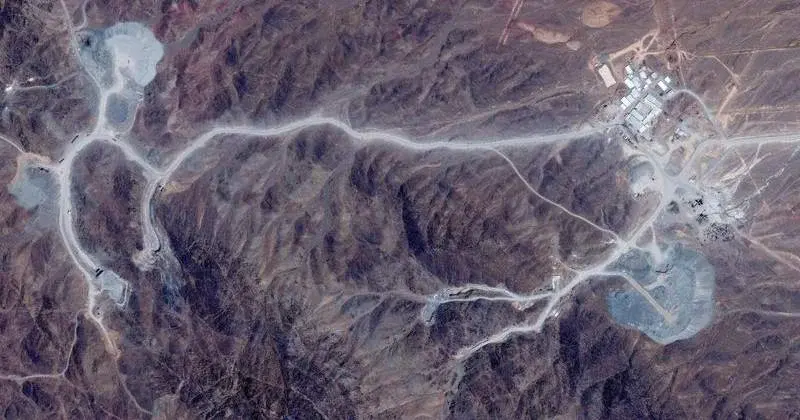
This dispute follows the collapse of the 2015 JCPOA and a failed June 2026 memorandum of understanding. Recent US and Israeli strikes on Iranian nuclear facilities, including Natanz and Fordow, have intensified tensions. The current negotiations are taking place on the sidelines of the UN General Assembly, with mediators including Qatar and Pakistan attempting to bridge the gap between Washington and Tehran.
How outlets are covering it
Iran International and Fox News report that Iran is decoupling nuclear concessions from the Hormuz reopening, with Araghchi emphasizing a strict seven-day timeline. The Times of India highlights Pezeshkian’s denial of nuclear weapon ambitions and his offer to dilute uranium, framing it as a diplomatic gesture. Fox News also notes that crude oil prices dropped on the news of potential talks, while The Times of India emphasizes the IAEA’s inability to verify Iran’s nuclear status. There is a divergence in emphasis: Iranian sources focus on the sequencing of economic relief, while US-focused outlets like Fox News highlight the military and security risks, including warnings from former officials that a deal would not eliminate threats to the strait.
Why it matters
The Strait of Hormuz is a critical global energy chokepoint. A prolonged closure or continued blockade threatens global oil supplies and economic stability. The deadlock over sequencing risks further escalation, potentially leading to renewed military action or a broader regional conflict involving proxies in Lebanon and Yemen. The outcome of these talks will determine whether the region moves toward de-escalation or further instability.
What to watch
Negotiations are expected to continue in New York, with both sides linked to the November US midterm elections. Iran hopes to reach a deal before the elections, while Trump suggests a settlement may come afterward. The next critical step is whether the US will accept Iran’s seven-day proposal or insist on immediate nuclear concessions, which could determine if the strait reopens or if tensions escalate further.
- Iran rules out nuclear concessions even if US accepts Hormuz proposal Iran International
- Crude oil prices slide after Iranian and US negotiators discuss opening Strait of Hormuz Fox News
- Iranian president blames US for Middle East conflict while denying nuclear ambitions, offers to dilute uranium Yahoo
- Iranian President Pezeshkian brought a diplomatic tone to New York for UNGA. What did his remarks signal? DW.com
- ‘It is unholy, it is illegal’: Iran President Pezeshkian denies nuclear bomb ambition The Times of India
Want the full story? Read the original reporting
Read on Iran International