
Iran’s Security Chief Outlines Six Demands to End US War, Rejects Hormuz Deal
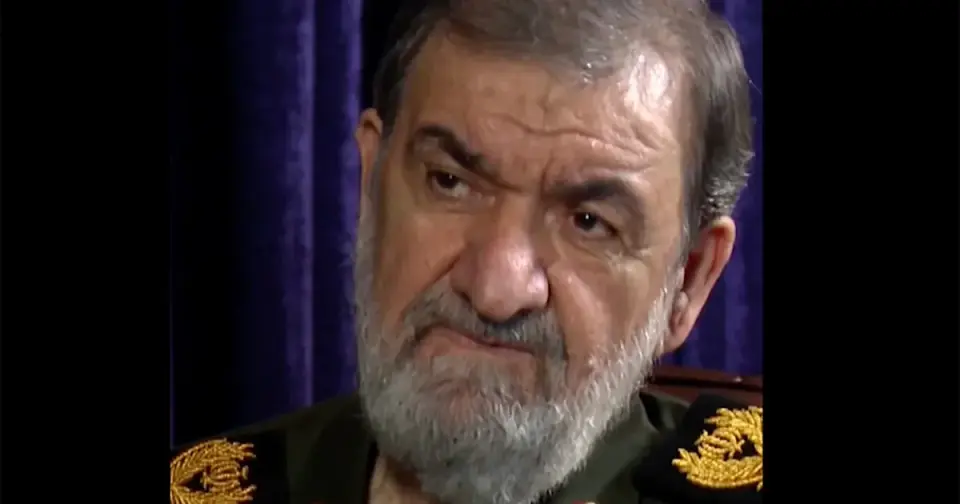
Iran’s security chief Mohsen Rezaei has publicly outlined six conditions to end the war with the United States, demanding an end to all hostilities, the release of billions in frozen funds, and the lifting of naval blockades. Tehran has transmitted these terms via Qatari mediators, signaling a shift from the collapsed June memorandum of understanding. While the core demands remain similar to previous negotiations, the public delivery and rejection of a recent Hormuz management deal indicate a hardening stance. The US has not yet responded, though President Trump cut a trip short, potentially to address the escalating crisis.
Key points
- Mohsen Rezaei stated Iran’s conditions include ending the war on all fronts (including Lebanon), releasing frozen funds, ending naval blockades, and ceasing US interference in internal affairs.
- Iran has effectively closed the Strait of Hormuz, and parliament speaker Mohammad Bagher Ghalibaf confirmed it will remain closed until US commitments are met.
- The June 17 memorandum of understanding expired last month, leading to increased attacks in the Strait of Hormuz and rising oil prices above $100.
- Rezaei rejected the US accusation that Iran violated the MoU by striking an oil tanker, claiming the action was a response to US attacks on Bandar Abbas.
- Iran denied involvement in the Yemen conflict, stating it could offer mediation between the Houthis and Saudi Arabia, and dismissed speculation about closing the Bab al-Mandeb strait.
- Rezaei noted Iran could withdraw from the Nuclear Non-Proliferation Treaty if faced with further sanctions or UN Security Council referrals, though it currently abides by a ban on nuclear weapons.
Background
This development follows a series of escalating tensions since the war began in late February. Previous attempts at mediation, including a June memorandum of understanding, have failed to produce a lasting peace. Recent archive coverage highlights ongoing concerns about US naval deployments, such as the USS Abraham Lincoln, and growing Houthi attacks near Saudi targets like Mecca. The current standoff is part of a broader pattern of failed negotiations and rising regional instability, with oil prices fluctuating due to disruptions in key shipping routes.
How outlets are covering it
Al Jazeera emphasizes Iran’s public delivery of conditions via Qatar as a strategic move to pressure Washington, noting that while the demands are similar to the June MoU, the channel and timing signal a shift in leverage. Analysts cited by Al Jazeera suggest Iran is betting on the war’s unpopularity and upcoming US midterms to force a deal. In contrast, the secondary source from Iran International, though largely obscured by technical code, references a 'seven-day Hormuz plan' that was reportedly rejected by Trump, suggesting a specific diplomatic initiative failed. This highlights a divergence between Iran’s public stance of firmness and the behind-the-scenes negotiations that may have stalled. Al Jazeera also notes that while some US analysts view Iran’s terms as a serious opening, others dismiss them as unrealistic, reflecting the deep impasse between the two sides.
Why it matters
The stalemate in negotiations and the closure of the Strait of Hormuz are directly impacting global energy markets, with oil prices surpassing $100. The failure to resolve the conflict risks further escalation in the Middle East, including potential nuclear proliferation if Iran withdraws from the Non-Proliferation Treaty. The situation also strains US alliances in the Gulf, as allies like Saudi Arabia face security threats from Houthi attacks, complicating regional stability and US foreign policy priorities ahead of the November midterms.
What to watch
The US has not yet responded to Iran’s new conditions, but President Trump’s early return from Camp David suggests he may be prioritizing the issue. Analysts expect US Gulf allies to push for renewed talks, but significant substantive gaps remain. Iran is waiting for the US to accept and implement its demands, while the Strait of Hormuz remains closed. Any failure to reach a deal could lead to further attacks in the region and continued volatility in oil prices.
- What are Iran’s latest conditions to end its war with the US? Al Jazeera
- Iran war live: ‘Battlefield success’ against US before any talks – Speaker Al Jazeera
- Iran gives conditions to end war with US, re-engage in talks NewsNation
- Live - Ghalibaf says Iran must both fight and negotiate as MPs raise prospect of nuclear policy shift Iran International
- Iran sends US ‘seven conditions’ for talks, warns nuclear doctrine could change Ynetnews
Want the full story? Read the original reporting
Read on Al Jazeera