
Iran Proposes New Maritime Zone in Strait of Hormuz Amid Escalating US-Iran Naval Conflict
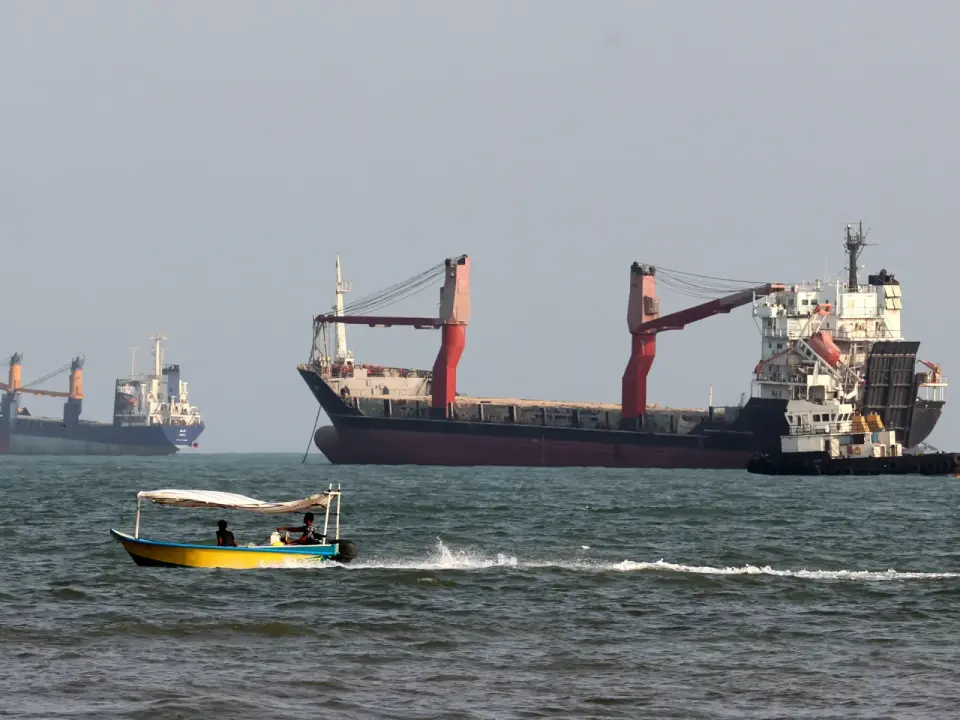
Iran’s Supreme National Security Council announced plans to establish a new restricted zone in the Strait of Hormuz, starting from the US naval blockade line and extending into the Persian Gulf. This move follows a collapse in the June ceasefire agreement and a recent surge in attacks on tankers and warships. While Tehran claims it struck a US vessel, Washington dismissed the claim as false. Traffic through the strait has dropped significantly, though US officials assert that oil flows remain at two-thirds of pre-conflict levels due to naval escorts.
Key points
- Iran’s Supreme National Security Council Secretary Mohsen Rezaei announced a new restricted zone that will begin at the US naval blockade line and extend into the Persian Gulf, with vessels entering the zone to be placed on Iran’s sanctions list.
- The announcement follows the expiration of a 60-day memorandum of understanding signed in June, which had temporarily halted military hostilities between the US and Iran.
- Recent escalations include US strikes on three Iranian oil tankers and Iranian claims of hitting a US unmanned vessel, which US Central Command denied as a 'total lie.'
- Traffic through the Strait of Hormuz has fallen from 130 ships daily before the war to an average of 10-13 vessels per day, though US Energy Secretary Chris Wright claims oil flows are at two-thirds of pre-conflict levels due to naval protection.
- Iran and Oman have agreed on a temporary maritime route through the strait, with new maps for an international corridor expected to be signed in the coming days.
Background
The conflict began with US and Israeli attacks on Iran on February 28, 2026, citing Iran’s nuclear program. A 60-day memorandum of understanding was signed in June to end hostilities, but it collapsed due to disputes over control of the Strait of Hormuz. Prior to the war, 20% of the world’s oil and gas supplies flowed through the strait. The US has maintained a naval blockade of Iranian ports, while Iran has used the strait as leverage, targeting commercial shipping and US warships.
How outlets are covering it
Al Jazeera emphasizes the strategic and diplomatic dimensions, noting Iran’s attempt to enforce a zone as a potential bargaining chip in negotiations with Oman and the US. AP News and NBC News focus on the immediate military escalation, highlighting the exchange of strikes on tankers and warships, and the US military’s assertion that it is 'winning' the battle for control of the strait. While Al Jazeera questions Iran’s ability to militarily enforce the zone against US-protected vessels, US officials like Energy Secretary Chris Wright downplay the impact on global oil flows, claiming that naval escorts are maintaining sufficient transit levels. The outlets also differ on the interpretation of traffic data, with US officials citing higher flow estimates than independent maritime tracking firms.
Why it matters
The Strait of Hormuz is a critical global energy chokepoint, and any disruption to its flow can have significant impacts on global oil prices and energy security. The escalation in military activity and the introduction of new restricted zones by Iran increase the risk of a broader conflict in the region, potentially affecting global trade and geopolitical stability. The US and Iran’s competing claims over control of the strait also highlight the ongoing tensions in the Middle East and the challenges in achieving a lasting peace.
What to watch
Iran is expected to announce the precise boundaries of the new restricted zone in the coming days, along with new maps for an international corridor in Iranian and Omani waters. The US and Iran may continue to exchange strikes, with the US potentially targeting Iran’s oil fleet and Iran targeting US warships and commercial shipping. Diplomatic efforts may resume, with the US, UK, France, and Germany potentially referring Iran to the UN Security Council over nuclear nonproliferation obligations. The situation will likely remain volatile, with both sides seeking to assert control over the strait and its resources.
- Can Iran enforce a restricted zone in the Strait of Hormuz? Al Jazeera
- Iran vows to respond to US strikes, says US energy companies' facilities are 'exposed' Reuters
- Iran war live: US energy firms ‘legitimate’ targets after tanker attacks Al Jazeera
- Iran says it plans to announce a new ‘exclusion zone’ near the Strait of Hormuz AP News
- Iran claims strike on a U.S. ship in the Strait of Hormuz but the U.S. denies it NBC News
Want the full story? Read the original reporting
Read on Al Jazeera