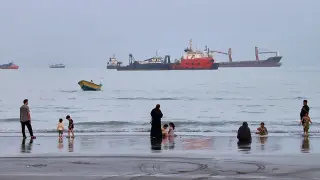
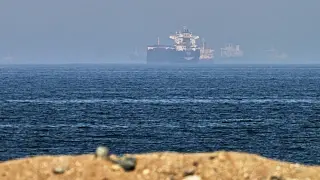
Oil flows through the Strait of Hormuz have rebounded to nearly 80% of prewar levels, driven by US military escorts and alternative routes. While this undermines Iran's economic leverage, global inventories are depleting, and analysts warn the current supply arrangement is unsustainable without a diplomatic resolution.
Iran has proposed reopening the Strait of Hormuz within seven days if the United States lifts its naval blockade and eases military pressure. This offer, transmitted via Qatari mediators during the UN General Assembly, seeks to revive negotiations for a permanent end to hostilities. While Tehran demands the release of frozen assets and an end to sanctions, U.S. President Donald Trump has framed the situation as a choice between a deal and further military action, expressing hope for an agreement after the November midterm elections. Current shipping through the strait remains at 38% of pre-war levels, and Iran’s crude exports have dropped to zero in September due to the blockade.
The United States signals no immediate new strikes on Iran, shifting to intensified economic pressure through the naval blockade and Treasury sanctions as more oil moves through the Strait of Hormuz; while military action isn’t off the table if Iran attacks first, allies are being kept apprised as the policy focuses on squeezing Tehran while seeking to bring it back to negotiations.
Iran reaffirmed that the Strait of Hormuz will remain Iranian and under Tehran’s control, rejecting President Trump’s quip about making it US territory, as US-Iran tensions persist over a June provisional accord and July Iranian attacks on shipping that prompted renewed sanctions and blockades.
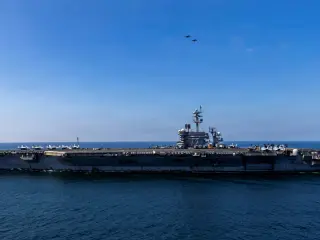
The United States threatens to keep a naval blockade of Iranian ports 'indefinitely' and expand economic isolation as ceasefire talks stall, while Tehran maintains that the Strait of Hormuz remains closed until sanctions are lifted; concerns mount over the crew morale on the USS Lincoln and lawmakers demand accountability, with experts warning that long deployments threaten readiness. Iran could retaliate by pressuring regional partners or targeting US assets, underscoring a protracted standoff driven by maritime coercion and economic pressure.
The United States says it will impose unprecedented economic measures to isolate Iran in conjunction with a naval blockade of the Strait of Hormuz, as the Navy rotates carrier groups and prepares to relieve the USS Lincoln with the USS George Washington; officials deny reports of severe conditions aboard Lincoln, while lawmakers express concerns about sailors’ welfare and Iranian media claims of casualties are rebutted by CENTCOM.
Iran's military rejected Donald Trump's claim that the US controls the Strait of Hormuz, saying the waterway is fully under Iranian management and that no commercial ships can pass without Iran's permission and transit fees. Tehran's officials, including the Basij head and Foreign Minister, frame Hormuz as securely controlled by Iran and warn against passage by US or Israeli vessels. Talks with Oman on a potential new route continue, with reopening contingent on the US ending its naval blockade of Iranian ports.
President Trump says the United States has total control over the Strait of Hormuz and will keep it, framing a 'wall of steel' naval blockade even as Iran claims influence over the waterway and vows to impose tolls; the broader conflict has disrupted shipping and the global economy.
President Trump says the Strait of Hormuz is now open and under 100% U.S. control after claims the Navy cleared mines, while demanding Iran pay reparations; Iran counters that reopening hinges on lifting the blockade and sanctions. The standoff keeps oil markets nervous as prices edge higher amid sanctions and ongoing tensions in the region.
President Trump says the US will rely on sanctions and a naval blockade rather than new military strikes to push Iran toward a deal, arguing Iran faces severe economic strain and that the blockade has intensified pressure. He notes falling oil prices have eased costs for American consumers as talks mediated by Oman over reopening the Strait of Hormuz appear close to a breakthrough, though Tehran conditions any reopening on U.S. behavior changes.
ISW-CTP’s update portrays Iran pressing for new US concessions before “reopening” the Strait of Hormuz, using messaging and force to signal continued control while hardliners led by IRGC commander Ahmad Vahidi shape demands. Tehran is pushing a six-point package (blockade lifting, sanctions relief, withdrawal of forces, war reparations, released assets, and ceasing attacks on allies) and has floated a temporary transit route through Oman, signaling that reopening remains conditional. A missile strike on a UAE-affiliate tanker in the Strait shows Iran’s ongoing coercive tactics. The US blockade remains costly to Iran’s oil exports and economy, but Iran has not softened its maximalist position. Iranian aims, according to the update, include international recognition of strait control, degrading US capabilities, restoring deterrence, and dividing the US-Israel axis from Arab states, with the update noting a revised structure following the resumption of war.
Iran warned that US warships altering approved routing through the Strait of Hormuz would be targeted, and it threatened serious consequences for US vessels and bases if a second corridor or naval blockade persists. Separately, a cargo vessel near Oman was struck by an unknown projectile as the incident is investigated. Iran also denied new talks with the US, saying discussions are limited to a temporary routing agreement with Oman.
A multi-source Iran update aggregating reporting from AP, Reuters, NYT and think tanks on escalating U.S.–Iran tensions, a widening naval blockade in the Hormuz/Red Sea corridor, reported attacks on vessels, and Yemeni Houthis’ involvement, with potential implications for oil shipments and regional security.
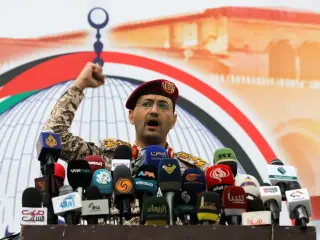
Yemen's Houthi movement announced an immediate maritime blockade of Saudi Arabia in retaliation for an attack on Sanaa airport, signaling readiness for escalation. The move could disrupt shipping through Bab al-Mandeb and threaten global oil flows via Saudi Arabia's Petroline, amid broader regional tensions and the ongoing Yemen conflict.
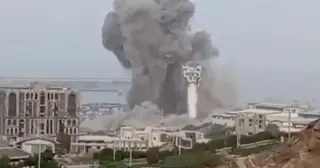
The US conducted new air strikes on Iranian military targets near Tehran and Bandar Abbas to degrade Iran’s ability to threaten shipping in the Strait of Hormuz and said it disabled a non-compliant oil tanker; Iran retaliated with attacks on US bases in Kuwait and Bahrain, while Jordan intercepted missiles and Iraq reported drone attacks on Erbil. With at least 35 dead and more than 300 wounded in the latest wave, the clash threatens a broader confrontation as Tehran warns of energy-export disruptions and both sides issue aggressive rhetoric.