
Iran Stages 14 Tankers to Test US Blockade, Risking Gulf Energy War
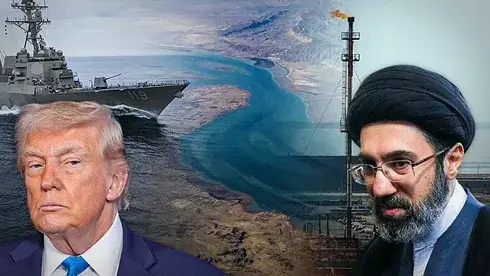
Iran has assembled over 14 oil tankers near Kharg Island, potentially preparing to break the US naval blockade of its exports. While some reports suggest a spoofed vessel, the buildup signals Tehran’s intent to force a diplomatic resolution or trigger a regional energy crisis. The US has tightened enforcement against ship-to-ship transfers, while Iran threatens retaliation against Gulf infrastructure if intercepted.
Key points
- More than 14 tankers have gathered at Kharg Island, loaded with oil and assigned crews, according to Western intelligence and Euronews.
- US Central Command expanded its blockade to include vessels receiving Iranian oil via ship-to-ship transfers, warning of force against evaders.
- Iranian media discussed 'Operation Fereydoun,' proposing a convoy sail openly under Iranian flags, potentially with journalists aboard to raise diplomatic costs.
- Tehran has threatened to attack energy facilities in Saudi Arabia, the UAE, and Qatar if the US Navy intervenes.
- No confirmation exists that Iran has issued a final order to sail, though the buildup is seen as a pressure tactic to force negotiations.
Background
The US reinstated its naval blockade of Iran in July after a previous agreement collapsed. Since then, Iranian oil revenues have plummeted, with some estimates suggesting exports could fall to zero by mid-December. The blockade follows a broader conflict that began in February, during which Iran effectively closed the Strait of Hormuz, a chokepoint for 25% of global seaborne oil. Recent US midterm election losses have increased pressure on President Trump to resolve the stalemate, while Iran faces worsening energy shortages and economic strain.
How outlets are covering it
Outlets differ on the immediacy and nature of the threat. YnetGlobal and Al Jazeera emphasize the potential for a direct military confrontation, noting that Iran may use the convoy to force a decision from Washington. CNN highlights that Iran’s leverage over global oil markets is weakening as regional exports recover, suggesting escalation is a last resort. Euronews reported a specific tanker, 'Khat-Shekan,' appearing on tracking sites, but TankerTrackers dismissed this as a spoof, indicating no real vessel exists. While YnetGlobal suggests the convoy may be a bluff to extract concessions, Al Jazeera’s Andreas Krieg argues Iran cannot break the blockade militarily but aims to make enforcement politically unsustainable. All sources agree that the situation risks drawing Israel into a renewed conflict if the US intervenes.
Why it matters
A successful blockade breach could restore billions of dollars in revenue for Iran and undermine US credibility. Conversely, a US interception could trigger Iranian attacks on Gulf energy infrastructure, spiking global oil prices and potentially igniting a wider regional war involving Israel, the US, and Gulf states. The outcome will determine whether the current 'neither peace nor war' stalemate resolves through negotiation or escalates into open conflict.
What to watch
Analysts are watching for the departure of the tankers from Kharg Island toward the Strait of Hormuz, particularly if accompanied by official Iranian announcements. The US Navy, led by Admiral Brad Cooper, is preparing options ranging from precision strikes on engine rooms to boarding operations. Iran may also continue using ship-to-ship transfers to bypass the blockade. The next 48 hours are critical to determine if Tehran intends to test the blockade or continue brinkmanship to force diplomatic concessions.
- Iran's high-stakes gamble: breaking the US naval blockade to force a swift endgame Ynetnews
- Iran’s oil leverage is weakening. That could push it toward escalation CNN
- Tracker says Iranian tanker reported in Strait of Hormuz is fake Euronews
- US targets Iran���s ship-to-ship transfers: Can Tehran break the blockade? Al Jazeera
- Iran signals readiness for Hormuz showdown despite US buildup Iran International
Want the full story? Read the original reporting
Read on Ynetnews