
Iran Warns of Regional War as US Deliberates Post-Election Strikes
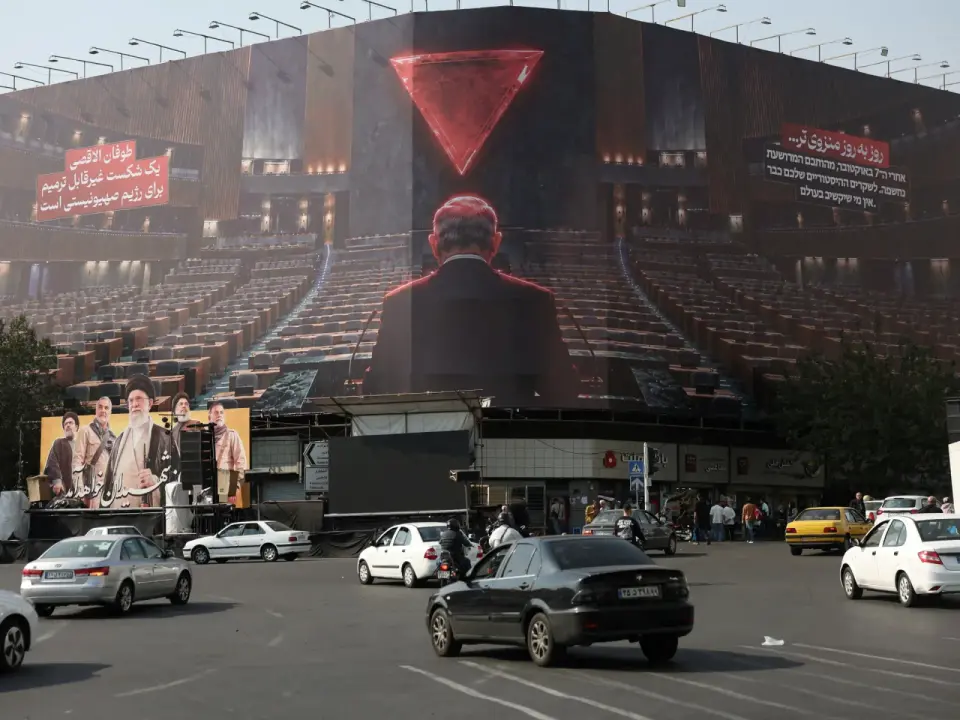
Iran’s military chief warned that US warships cannot safely enter the Persian Gulf, as President Trump weighs new attacks after the November 3 midterms. The IRGC claimed multiple tanker strikes, driving Brent crude to $117, while regional diplomats in Istanbul urged de-escalation. Iran threatened to target AI and data centers if the US resumes bombing, and US officials indicated the conflict could last another year.
Key points
- Iran’s chief of staff, Ali Abdollahi, stated US forces cannot re-enter Iranian territorial waters, calling previous US claims of destroying Iranian capabilities a contradiction.
- The IRGC claimed seven tankers were attacked or hit mines in the Strait of Hormuz, though the US dismissed these as fabrications to inflate oil prices.
- Brent crude reached $117 per barrel, its highest since April, amid fears of renewed conflict and ongoing Houthi attacks on Saudi infrastructure.
- Iranian officials threatened to strike undersea cables, data centers, and AI facilities across the Gulf if the US and Israel launch a new offensive.
- US Ambassador Mike Waltz suggested the war could continue for another year, noting that the US will not achieve its goals until Iran disposes of highly enriched uranium.
Background
This escalation follows an eight-month war that began with a US-Israeli attack on Iran in February 2026. Recent months have seen a naval blockade, sanctions, and intermittent strikes. In September, Iran outlined conditions for peace, including unfreezing assets and lifting the blockade, while the US maintained a heavy military presence. The current standoff occurs just days before Israeli elections and US midterms, with both leaders facing domestic pressure regarding the conflict's outcome.
How outlets are covering it
Al Jazeera emphasizes Iran’s military confidence and the 'dead hand' doctrine, highlighting Tehran’s refusal to negotiate under bombardment. CBS News focuses on the economic impact, noting Trump’s dismissal of Iranian claims as lies and the rising oil prices, while also reporting on an oil spill in the UAE. The Guardian highlights the broader strategic threats, including attacks on AI and data centers, and notes that US and Israeli leaders have agreed in principle on a new attack but face uncertainties about its success. While Al Jazeera and The Guardian stress Iran’s offensive posture, CBS News underscores the US skepticism regarding Iranian claims and the diplomatic efforts in Istanbul to prevent further escalation.
Why it matters
The potential for a renewed, wider war threatens global energy supplies and could trigger a recession. The conflict has destabilized the region, with Houthi attacks on Saudi Arabia and Israeli operations in Lebanon and the West Bank creating a multi-front crisis. Diplomatic efforts in Istanbul failed to bridge the gap between US/European demands and Iranian conditions, leaving the region on the brink of further instability.
What to watch
Watch for US military movements before the November 3 midterms, as Trump plans to station three aircraft carriers in the region. Monitor oil prices and shipping traffic in the Strait of Hormuz, as well as any diplomatic breakthroughs or escalations following the Israeli and US elections.
- Iran says won’t allow US warships to get close as Trump ponders new attacks Al Jazeera
- Iran has detailed plans to hit Gulf undersea cables if war resumes, officials say Reuters
- Live Updates: Iran warns that U.S. military not allowed in Gulf "under any circumstance" CBS News
- Iran Threatens Wider Strikes on Economic and Civilian Targets if U.S. Attacks WSJ
- Iran threatens to strike oil and AI facilities across Gulf if US and Israel renew attacks The Guardian
Want the full story? Read the original reporting
Read on Al Jazeera