
Iran Vows Regional Retaliation as Trump Weighs Energy Strikes
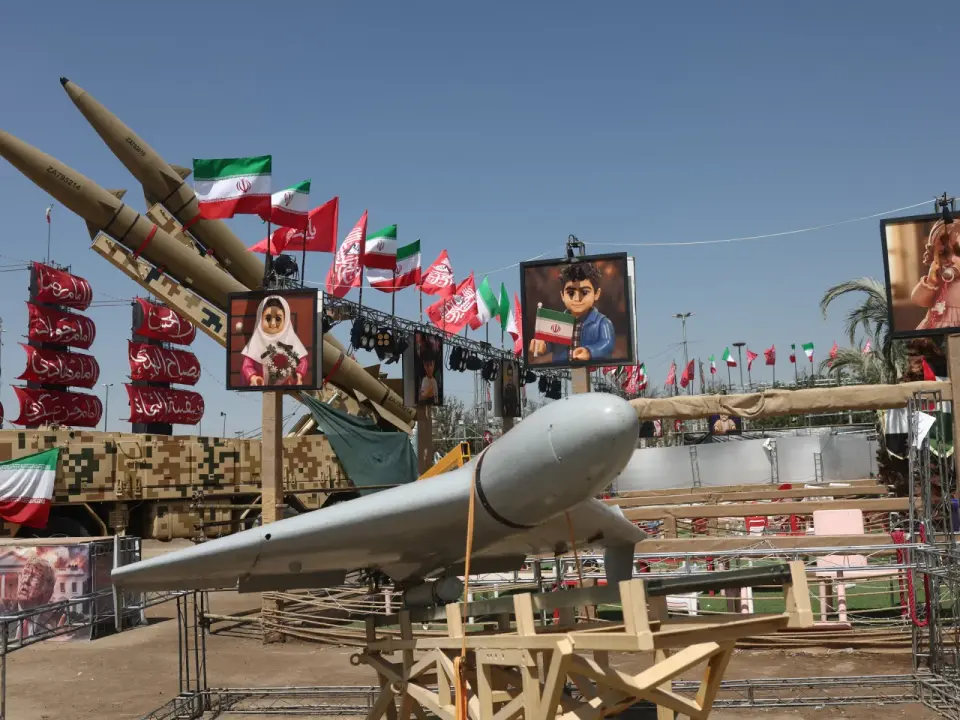
Iran has issued severe warnings against potential US strikes on its energy infrastructure, threatening to target US and Israeli assets across the Middle East. While US President Donald Trump has ordered preparations for possible attacks, he has not yet given final authorization. Israel is on high alert, and regional tensions have escalated with recent strikes in Kuwait, Oman, and Iraq.
Key points
- Iran’s military command warned that any US attack on energy sites would trigger retaliation against US and Israeli infrastructure, potentially causing a global oil crisis.
- US President Trump has ordered preparations for strikes that could last two weeks, but has not yet authorized the operation, which may target power plants and petrochemical facilities.
- Israel has raised its alert level, with officials assessing that any major US strike on Iran would likely draw Israel into the conflict.
- Recent strikes have hit targets in Kuwait, Oman, and Iraq, including a refinery in Erbil, while Iran maintains control over the Strait of Hormuz.
- Saudi Crown Prince Mohammed bin Salman reportedly urged Trump to deescalate, while Iran’s foreign minister warned against 'adventurous action' by the US.
Background
This escalation follows a broader conflict that began on February 28, 2026, involving US and Israeli strikes on Iranian military and civilian targets. Previous tensions included US warnings about Israeli assassination plots against mediators and strikes on Iranian missile sites after incidents in the Strait of Hormuz. The current standoff highlights ongoing diplomatic efforts, with Iran’s parliament speaker Mohammad Bagher Ghalibaf signaling a need for negotiated resolution despite military victories.
How outlets are covering it
Al Jazeera emphasizes Iran’s warnings against 'flames of war' and the potential for a full-scale regional conflict, highlighting the impact on civilian infrastructure. The Jerusalem Post focuses on Israel’s high alert status and Saudi Arabia’s diplomatic efforts to deescalate, noting concerns about a global oil crisis. The Economic Times highlights Iran’s preparedness for retaliation and Trump’s statements about hitting Iran 'very hard.' Apa.az reports on Iranian lawmakers’ threats to send the region 'back to the Stone Age,' reflecting the intensity of the rhetoric. Outlets differ in emphasis: Al Jazeera and The Economic Times focus on Iran’s retaliatory capabilities, while The Jerusalem Post highlights diplomatic efforts and Israel’s readiness.
Why it matters
The potential for US strikes on Iran’s energy infrastructure could trigger a broader regional conflict, affecting global oil supplies and economic stability. The involvement of multiple countries, including Saudi Arabia, Israel, and Gulf states, underscores the complex diplomatic and military dynamics in the Middle East. The situation also highlights the risks of escalation, with Iran threatening to target US and Israeli assets, potentially leading to a prolonged conflict.
What to watch
Watch for Trump’s final decision on authorizing strikes, which could begin as early as this weekend. Monitor diplomatic efforts, including Saudi Arabia’s calls for deescalation and Iran’s ongoing negotiations through mediators. Assess the impact of recent strikes on regional stability, particularly in the Strait of Hormuz and Gulf states. Track any further escalations, including potential attacks on energy infrastructure or increased military readiness in Israel.
- Iran warns against ‘flames of war’ amid US strike threats on energy sites Al Jazeera
- Live Updates: Iran accuses U.S. of escalating tensions as Washington prepares new strikes CBS News
- Live Updates: Latest from Israel, Iran, and Middle East The Jerusalem Post
- 'Kind of madness': Iran vows to target US, Israeli energy assets if attacked as Trump weighs fresh strikes The Economic Times
- Iran lawmaker threatens to send region ‘back to Stone Age’ if US strikes Iran Apa.az
Want the full story? Read the original reporting
Read on Al Jazeera