
Iranian leaders celebrate US midterm defeats as warning to Trump, but analysts warn of 'lame duck' strikes
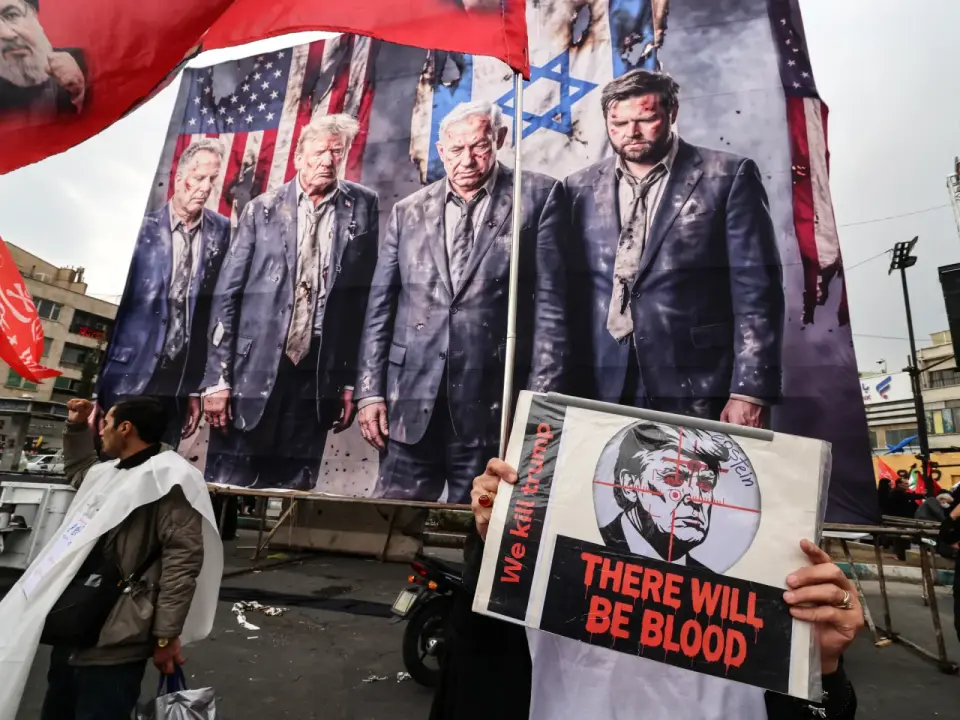
Iranian officials are framing the US midterm election results as a public rejection of the ongoing war with Iran. While Tehran celebrates the Republican losses, analysts warn that President Trump may still launch strikes before the new Congress takes office in January. Diplomatic efforts via Qatar continue, but tensions remain high in the Strait of Hormuz.
Key points
- Iranian parliament speaker Mohammad Bagher Ghalibaf stated that Americans voted 'no to war,' linking Republican defeats to high living costs and conscience.
- Supreme Leader Mojtaba Khamenei dismissed hopes that US political shifts would change hostility, asserting that only strength ensures deterrence.
- Trump acknowledged the war contributed to his party's losses but stated he would do it again, maintaining pressure via naval blockades and sanctions.
- Four oil tankers caught fire after hitting mines in the Strait of Hormuz, according to Iran's military, complicating ongoing diplomatic talks.
- Analysts note that while full-scale war is less likely due to Democratic gains, Trump retains commander-in-chief powers until January, creating a risk of limited strikes.
Background
The conflict began on February 28, 2026, with US and Israeli strikes that killed former Supreme Leader Ali Khamenei. Since then, the war has disrupted global energy markets and led to a naval blockade of Iran. Previous diplomatic pauses, including a June memorandum of understanding, have not resulted in a comprehensive settlement. The current situation follows weeks of heightened tensions, with Trump previously pledging no attacks before the midterms but ordering military readiness.
How outlets are covering it
Outlets differ on the likelihood of renewed conflict. Al Jazeera and The Guardian highlight that while the Democratic victory complicates Trump's agenda, he may still seek a 'diplomatic victory' or limited strikes to avoid appearing weak. Barbara Slavin of the Stimson Center warns of a 'lame duck' period where Trump could act unilaterally. Conversely, CBS News and The Guardian emphasize ongoing diplomatic efforts, with Qatari mediators expecting feedback within 36 hours. The Guardian notes that Gulf states and China are pushing for a deal to ease the blockade, while Iranian hardliners like Ghalibaf view the election as a mandate to remain uncompromising. CBS News also reports that Lebanon's prime minister warned against being dragged into renewed conflict, highlighting regional instability.
Why it matters
The outcome of the US midterms directly impacts the trajectory of the Iran war, which has caused global inflation and energy disruptions. If Trump launches strikes before January, it could escalate regional conflict and undermine diplomatic efforts. Conversely, a shift toward negotiation could stabilize the Strait of Hormuz, a critical route for global oil and gas. The situation also reflects the broader impact of war on domestic US politics, with voters prioritizing economic stability over foreign military engagements.
What to watch
Qatari mediators are expected to receive feedback from both sides within 36 hours on new proposals to end the war. Trump is likely to maintain pressure through blockades and sanctions while weighing the risks of military action. Iran may continue to restrict shipping in the Strait of Hormuz to force concessions. The next two months are critical as Trump navigates his 'lame duck' period before the new Congress takes office in January.
- Iranian leaders welcome US midterms, but Trump may still attack Al Jazeera
- Live Updates: Iran says U.S. election results show Americans reject war, as Trump says he'd do it again CBS News
- Iran's leaders say midterm results show U.S. voters have rejected Trump's war Pittsburgh Post-Gazette
- Tehran gloats as Republicans take a beating Politico
- Iran unveils ‘We will kill Trump’ banner – but US president may now be tempted to resume bombing The Guardian
Want the full story? Read the original reporting
Read on Al Jazeera