
IRGC Claims Second US Drone Capture in Hormuz as Trump Rejects Ceasefire
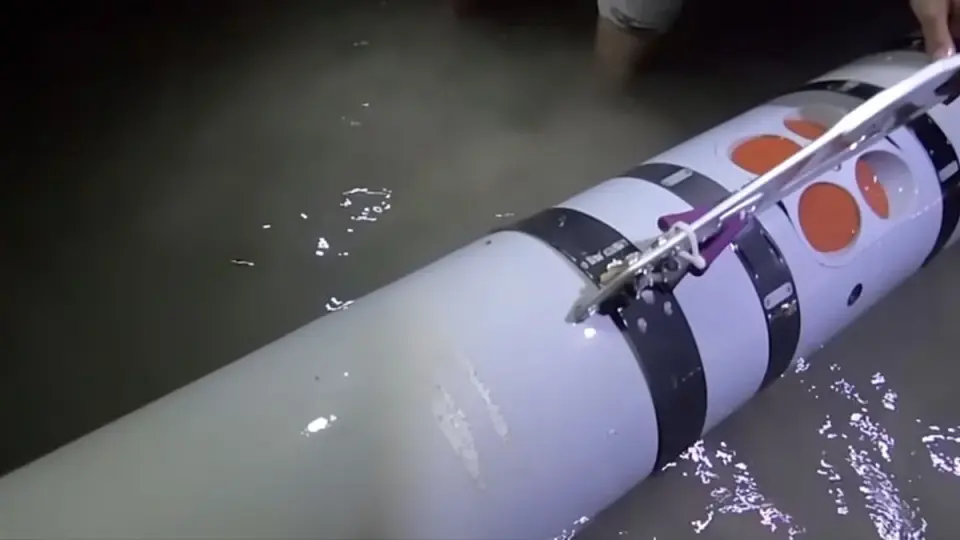
Iran’s IRGC claims to have seized a second US underwater drone in the Strait of Hormuz, a move Washington denies. This incident coincides with Tehran’s rejection of a US-led ceasefire proposal and renewed threats to keep the strait closed, despite diplomatic efforts at the UN.
Key points
- The IRGC Navy claims to have captured a US REMUS 600 autonomous underwater vehicle in the Strait of Hormuz, stating it was conducting espionage.
- US Central Command (CENTCOM) denied the claim, asserting 'positive control' of all operational drone assets, though it did not immediately respond to CNBC's inquiries.
- This is the second such claim in recent days; Iran previously claimed to have seized an Anduril Dive-LD drone near the strait, which the US described as a malfunctioning, non-sensitive asset.
- Iranian Foreign Minister Abbas Araghchi stated Tehran is ready for a 'doomsday' war but remains open to diplomacy, while US President Trump rejected Iran's seven-day ceasefire proposal.
- Iran’s conditions for reopening the strait include lifting the naval blockade, waiving oil sanctions, and releasing approximately $12 billion in frozen assets.
- Oil prices saw a sharp weekly drop, with Brent crude settling at $104.32 per barrel, despite ongoing tensions and Iran’s declaration that the strait remains closed to unauthorized traffic.
Background
Tensions between the US and Iran have escalated since February 28, 2026, when US and Israeli airstrikes began. The conflict has severely disrupted energy shipments through the Strait of Hormuz, causing a global oil shock and inflation. Previous incidents, including a drone attack on a US-contracted vessel in September 2026, have highlighted the volatility of the region. Iran has also proposed broader maritime strategies, including new 'prohibited zones,' to pressure US interests.
How outlets are covering it
Euronews and The Jerusalem Post focus on the IRGC’s claim of seizing the REMUS 600 drone and the subsequent denial by US CENTCOM. CNBC emphasizes the diplomatic deadlock, highlighting Araghchi’s 'doomsday' war rhetoric and Trump’s rejection of the ceasefire proposal. The Times of India provides additional detail on Iran’s specific conditions for peace, including the release of $12 billion in assets, and notes the sharp drop in oil prices despite the ongoing conflict. All sources agree on the IRGC’s assertion that the Strait of Hormuz remains closed to unauthorized traffic.
Why it matters
The Strait of Hormuz is a critical global chokepoint for oil and gas exports. Any disruption or closure by Iran could lead to significant spikes in energy prices and inflation worldwide. The ongoing diplomatic standoff and military posturing between the US and Iran pose a risk of further escalation, potentially affecting global energy security and economic stability.
What to watch
Diplomatic efforts may continue through intermediaries, but the immediate future is uncertain given Trump’s rejection of the ceasefire proposal and Iran’s firm stance on its conditions. Oil prices may remain volatile as the situation in the Strait of Hormuz evolves, and further military incidents could occur if tensions escalate.
- IRGC claims, US denies seizure of underwater US drone in Hormuz Euronews.com
- Iran's foreign minister says Tehran ready for 'doomsday' war with U.S., but leaves diplomacy on the table CNBC
- Iran's IRGC claims to have seized US autonomous underwater vehicle in Strait of Hormuz The Jerusalem Post
- 'American terrorist army': Iran claims second US submarine seized in Hormuz The Times of India
- Iran Guards say seized US underwater drone in Hormuz Arab News
Want the full story? Read the original reporting
Read on Euronews.com