
Putin agrees to resume trilateral Ukraine talks as Witkoff secures release of detained American
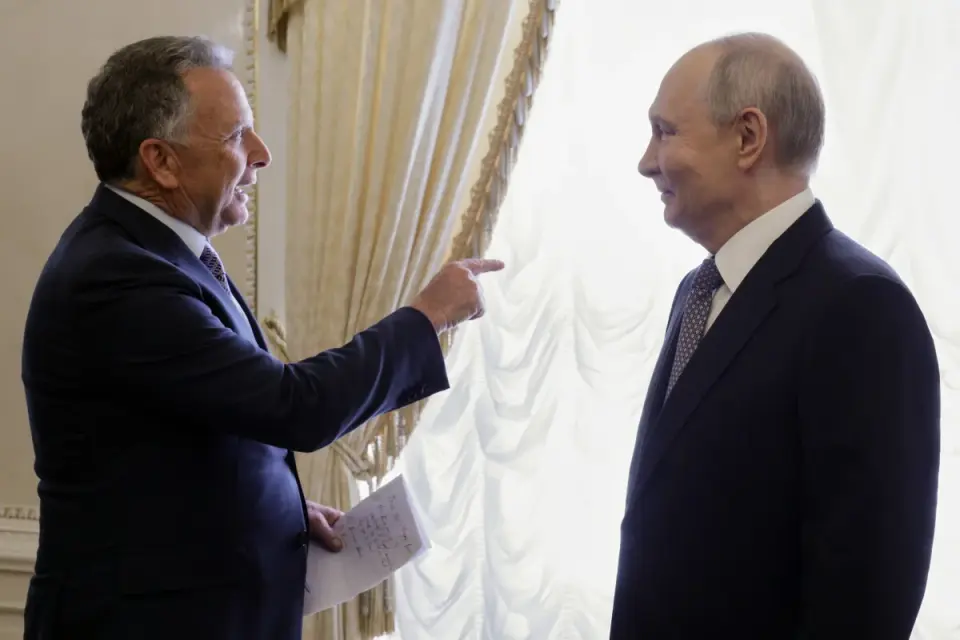
Vladimir Putin has agreed to resume three-way peace talks with the US and Ukraine, a move coordinated with the release of a detained American citizen. US envoy Steve Witkoff confirmed the agreement after meeting with Kremlin spokesman Yuri Ushakov. The talks are expected to occur in mid-November, potentially alongside a trilateral summit in China involving Russian, Chinese, and US leaders. Meanwhile, Ukrainian President Volodymyr Zelenskyy is in Oslo for consultations, while Russian forces continue launching attacks on Ukrainian energy infrastructure and residential areas.
Key points
- Putin agreed to resume trilateral talks with the US and Ukraine, with the release of a detained American citizen linked to the agreement.
- US envoy Steve Witkoff discussed a potential mid-November meeting with Russian, Chinese, and US leaders at an economic summit in China.
- Norwegian Prime Minister Jonas Gahr Støre met with Witkoff in Oslo, suggesting a 'new phase' of diplomacy may be emerging.
- Zelenskyy is in Oslo discussing security guarantees, occupied territories, and postwar reconstruction, while acknowledging he cannot formally accept a border along the current front line.
- Trump pressured Zelenskyy to make a deal, stating the US has received 'grief, death, tremendous monetary loss' in return for aid.
- Russian overnight attacks killed five people and wounded at least 23 others in Kyiv and Kharkiv, targeting energy facilities and residential areas.
Background
This development follows a series of diplomatic efforts and setbacks in late 2026. In September, Zelenskyy agreed to an energy ceasefire but doubted Putin's commitment, even as Russia launched strikes. In October, Trump criticized Zelenskyy and praised Putin after US intelligence sharing and Starlink services were restricted, leading Zelenskyy to resume strikes on Russian oil refineries. Earlier this week, Witkoff secured a preliminary agreement from Putin to resume talks, coinciding with the release of a detained American. Analysts and officials, including Columbia University professor Jeffrey Sachs, have proposed settlement packages involving Ukrainian neutrality and EU membership, though the durability of these efforts remains debated.
Why it matters
The resumption of trilateral talks signals a potential shift in the diplomatic landscape of the Ukraine war, offering a chance for a negotiated settlement after months of stalled negotiations and escalating violence. The involvement of China in a potential trilateral summit adds a new dimension to the conflict, as Beijing's role could influence the outcome. However, ongoing Russian attacks on Ukrainian infrastructure and Trump's pressure on Zelenskyy to compromise highlight the fragility of the peace process. The release of a detained American citizen may serve as a goodwill gesture, but the success of the talks depends on the willingness of all parties to make significant concessions, particularly regarding territorial borders and security guarantees.
What to watch
The next steps include the mid-November trilateral talks, potentially alongside a summit in China involving Russian, Chinese, and US leaders. Witkoff and Zelenskyy will continue consultations in Oslo, focusing on security guarantees, occupied territories, and postwar reconstruction. The outcome of these talks will determine whether a durable peace or a frozen conflict emerges. Additionally, the US and European allies will monitor the implementation of any agreements, particularly regarding the energy ceasefire and the release of detained individuals. The success of these efforts will depend on the willingness of all parties to make significant concessions and the ability to maintain momentum in the face of ongoing military actions.
Want the full story? Read the original reporting
Read on AP News