
Rubio declares Iran nuclear talks stalled as US weighs pre-midterm strikes
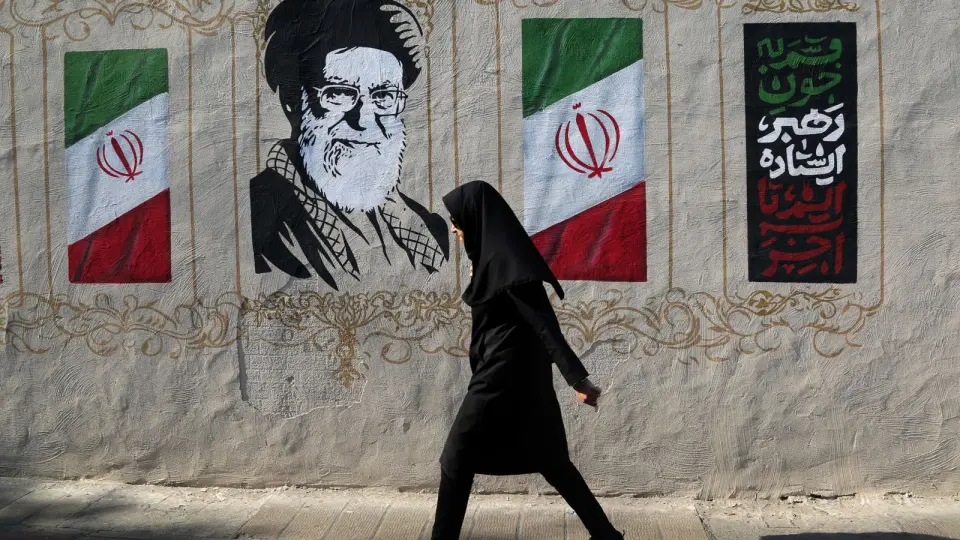
Secretary of State Marco Rubio stated that Iran has missed multiple opportunities to reach a nuclear deal, claiming Tehran has lost control of the Strait of Hormuz and its economy is collapsing. While the US imposes new sanctions on 17 shadow fleet vessels, Iran denies direct negotiations, insisting it will never abandon enrichment rights. The conflict remains unresolved, with the US considering strikes before November midterms and Houthi attacks escalating in Saudi Arabia.
Key points
- Rubio asserted that Iran has failed to seize 'multiple opportunities' for a nuclear agreement and has lost complete control of the Strait of Hormuz, where oil flows are nearing pre-war levels.
- A senior Iranian official told Reuters that Tehran will never give up its right to enrich uranium, though details could be discussed later, contradicting US claims of stalled talks.
- The US Treasury sanctioned 17 vessels in Iran's 'shadow fleet' to cut off revenue, while Brent crude prices fluctuated between $101 and $105 per barrel amid market volatility.
- The Atlantic reported that the White House is preparing strike options for Iran before the November 3 midterm elections, though Trump later promised no attacks before the vote.
- Houthi forces launched multiple ballistic missile attacks on Saudi airports and oil facilities, resulting in three deaths and damage to civilian infrastructure in Riyadh.
Background
This impasse follows months of stalled diplomacy, with US Energy Secretary Chris Wright previously suggesting a comprehensive nuclear deal might await a future Iranian administration. Earlier in September, Rubio warned other nations against aiding Iran in evading sanctions, as Washington prioritized economic pressure and military deterrence over diplomatic resolution.
How outlets are covering it
US officials, including Rubio and Vice President Vance, emphasize that Iran's economy is in 'freefall' and that the US holds all cards, demanding a 'meaningful' reduction in enrichment. Conversely, Iranian officials describe US ideas as 'at odds' with their interests, maintaining that enrichment is a non-negotiable right. While the US portrays the Strait of Hormuz as open and secure, Iran and its allies continue to disrupt shipping and launch attacks on regional infrastructure. The Atlantic highlights internal US debates over pre-midterm strikes to lower gas prices, a move Trump publicly denied but did not fully rule out for the future.
Why it matters
The failure to reach a nuclear deal risks prolonging the seven-month conflict, potentially triggering new US strikes before the US midterm elections. Continued Houthi attacks on Saudi Arabia threaten regional stability and global energy supplies, while the economic pressure on Iran may not yield the desired concessions, keeping oil prices volatile and diplomatic channels frozen.
What to watch
Iran is expected to respond to a US position on its 'seven-day plan' within a few days. The US may proceed with new strikes on Iran after the November 3 midterm elections, depending on the outcome of ongoing indirect negotiations. Meanwhile, the US will likely continue sanctioning the Iranian shadow fleet and maintaining military escorts in the Strait of Hormuz to protect oil flows.
- Rubio says Tehran missed 'multiple' chances for nuclear deal amid Iran stalemate CNBC
- Live Updates: Vance seems to soften Iran nuclear demands, Rubio says Tehran has "lost control" of Strait of Hormuz CBS News
- Iran has ‘lost complete control’ of Hormuz Strait: Rubio Arab News
- Iran has lost control of Hormuz and its economy is in ‘freefall’, US Secretary of State Rubio says Malay Mail
- Marco Rubio Suggests U.S. Economic Pressure on Iran is Working, Sending its Economy Into 'Complete Freefall' International Business Times
Want the full story? Read the original reporting
Read on CNBC