
Rubio Signals Diplomatic Preference as Trump Weighs Post-Midterm Iran Strikes
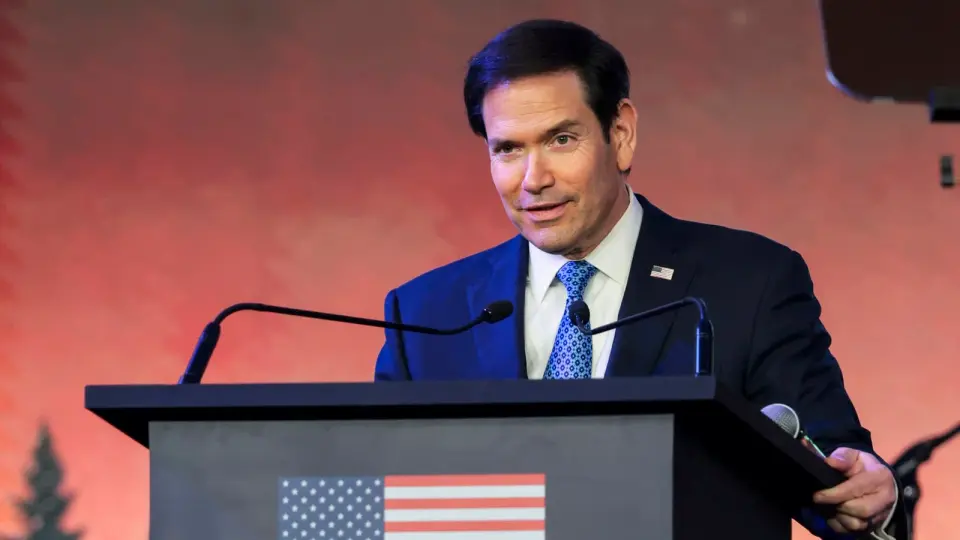
Secretary of State Marco Rubio stated President Trump prefers a peaceful resolution to the Iran conflict but retains military readiness. Reports indicate Washington is preparing for potential strikes after the November 3 midterms, while Tehran threatens unrestricted retaliation. Internal US tensions over defense leadership and regional anxiety in the Gulf are rising amid stalled negotiations.
Key points
- Rubio told reporters that Trump has not decided on military action but expresses confidence in US capabilities, preferring a diplomatic outcome.
- Iranian Supreme Leader Mojtaba Khamenei ordered an 'immediate, impactful, and geographically unrestricted response' to any new threats, updating military databases to target US and Israeli assets.
- The Wall Street Journal and The New York Times report the US is preparing for renewed military actions after the November 3 midterm elections.
- Iran designated the UK Military Intelligence Services as a 'hostile group,' accusing London of supporting terrorist organizations and allowing US forces access to bases like RAF Fairford and Diego Garcia.
- Trump spoke with Israeli Prime Minister Benjamin Netanyahu regarding Iran, though details were not disclosed; Netanyahu remains in power despite losing his majority in recent elections.
Background
The conflict began in February 2026 with US and Israeli strikes on Iran, killing former Supreme Leader Ali Khamenei. The war has entered its eighth month in a stalemate. Previous tensions included US troop deployments, oil price spikes, and stalled nuclear talks, with Rubio previously expelling Iranian diplomats from the UN. The current situation follows a period of quiet diplomacy, including a letter from Vice President JD Vance to Iranian security officials, but trust remains low due to past strikes during negotiations.
How outlets are covering it
CNBC emphasizes Rubio’s diplomatic preference and Iran’s military posturing, while CNN highlights the anxiety among Gulf residents and the lack of clarity from Washington. The Atlantic focuses on internal US political dynamics, questioning the performance of Defense Secretary Pete Hegseth and Joint Chiefs Chairman Dan Caine, suggesting Trump may blame them if the war does not end quickly. Axios confirms a direct call between Trump and Netanyahu but provides limited detail, focusing on the procedural aspect of the communication. Outlets differ on the likelihood of immediate strikes, with some citing 'warmongering' from Tehran and others noting 'quiet diplomacy' efforts.
Why it matters
The potential resumption of hostilities could disrupt global energy markets and regional stability, particularly in the Gulf. The uncertainty surrounding US military decisions and internal political accountability affects diplomatic leverage. Iran’s designation of UK intelligence as hostile and its threats of unrestricted retaliation signal a high risk of escalation, impacting international security and economic planning in the region.
What to watch
Watch for US military movements and diplomatic signals in the week following the November 3 midterms. Monitor Iran’s response to any US actions and the outcome of Israeli government formation talks. Observe whether the US and Iran reach a breakthrough in negotiations or if military strikes resume, potentially affecting oil prices and regional alliances.
- Rubio says Trump wants to end Iran war 'peacefully' even as both sides prepare for strikes CNBC
- Middle East on edge as fears mount that Iran war could restart after the midterms CNN
- Trump Searches for a Fall Guy to Blame for Iran The Atlantic
- Trump has frank call with Netanyahu about next move in Iran war Axios
- The Iran War Might Soon Get Catastrophically Worse Jacobin
Want the full story? Read the original reporting
Read on CNBC