
Michigan Senate Race Hinges on AI, Israel, and Faith as El-Sayed Leads Polls
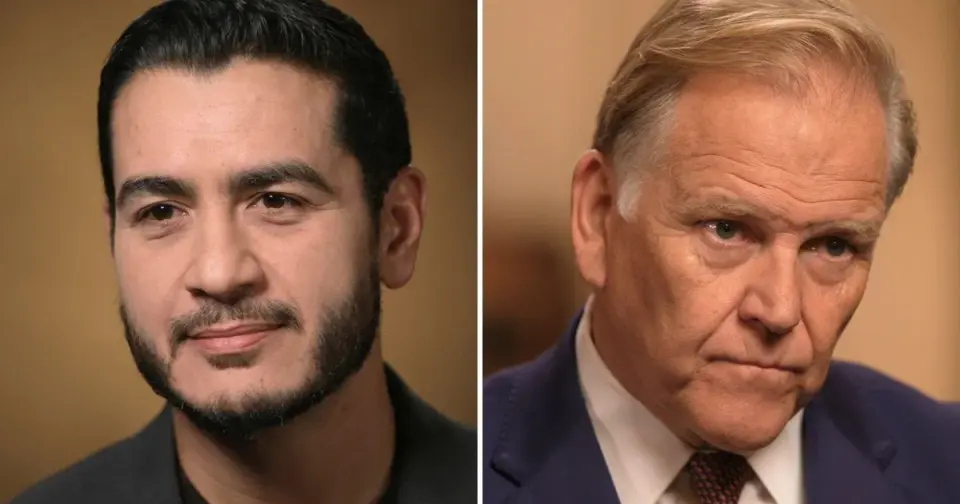
The 2026 Michigan Senate race between Democrat Abdul El-Sayed and Republican Mike Rogers is the pivotal contest for Senate control. El-Sayed, a progressive health advocate, leads polls by 4-7 points, campaigning on Medicare for All and AI regulation. Rogers, a former congressman, focuses on local issues and Israel support. The race is defined by intense debates over Middle East policy, AI fears, and religious identity, with El-Sayed potentially becoming the first Muslim U.S. senator.
Key points
- El-Sayed leads recent polls by 4-7 points, with Nate Silver giving him an 80.7% chance of winning.
- El-Sayed campaigns on Medicare for All, AI regulation, and breaking monopolies, while Rogers focuses on literacy and local Michigan issues.
- The race features sharp contrasts on Israel: El-Sayed calls Gaza a genocide, while Rogers defends Israel's right to exist.
- Trump campaigned for Rogers, calling El-Sayed a 'jihadist Muslim Brotherhood member,' while El-Sayed argues Republicans are targeting his faith.
- Rep. Haley Stevens endorsed Rogers two days before the election, causing a major Democratic party split and potential expulsion.
Background
This race is critical for Senate control, as Democrats need to win Michigan to maintain or gain the majority. The seat is currently held by retiring Democrat Gary Peters. Previous coverage highlighted the internal Democratic conflict over Rep. Haley Stevens' endorsement of Rogers, which triggered staff resignations and expulsion threats from the Michigan Democratic Party. The race also follows El-Sayed's narrow primary victory over Stevens in August 2026.
How outlets are covering it
CBS News frames the race as a test of progressive viability in Middle America, highlighting El-Sayed's focus on AI and healthcare versus Rogers' local populist approach. Al Jazeera emphasizes the international attention and the role of Arab American and Jewish voters, noting AIPAC's significant spending against El-Sayed. Politico focuses on the internal Democratic divisions, suggesting the race may not resolve party conflicts for the 2028 presidential cycle. The Detroit Free Press highlights El-Sayed's polling strength, noting multiple surveys show him ahead by 3-7 points, with Nate Silver giving him an 80.7% win probability.
Why it matters
The outcome determines Senate control and tests the electoral viability of progressive policies in a swing state. El-Sayed's potential victory would make him the first Muslim U.S. senator and signal a shift in Democratic strategy. The race also highlights tensions over AI regulation, healthcare, and Middle East policy, with implications for 2028 presidential campaigns.
What to watch
Election day is November 3, 2026. Results may not be known until November 4 if the race is close. El-Sayed's campaign is focused on turning out Arab American voters, while Rogers is targeting Jewish voters and rural communities. The Democratic party is managing the fallout from Stevens' endorsement, with potential expulsion proceedings.
- Abdul El-Sayed and Mike Rogers are fighting to represent Michigan in the Senate. Here's what they say. CBS News
- Abdul El-Sayed vs. Mike Rogers: Who has a better chance of winning Michigan’s marquee Senate battle? Yahoo
- Michigan race: All you need to know about Abdul El-Sayed vs Mike Rogers Al Jazeera
- Michigan’s messy Senate race spells trouble for Dems in 2028 Politico
- El-Sayed shows strength in polls ahead of Nov. 3 U.S. Senate election Detroit Free Press
Want the full story? Read the original reporting
Read on CBS News