
Trump Pivots from Rejecting Hormuz Deal to Sanctions Relief for Nuclear Progress
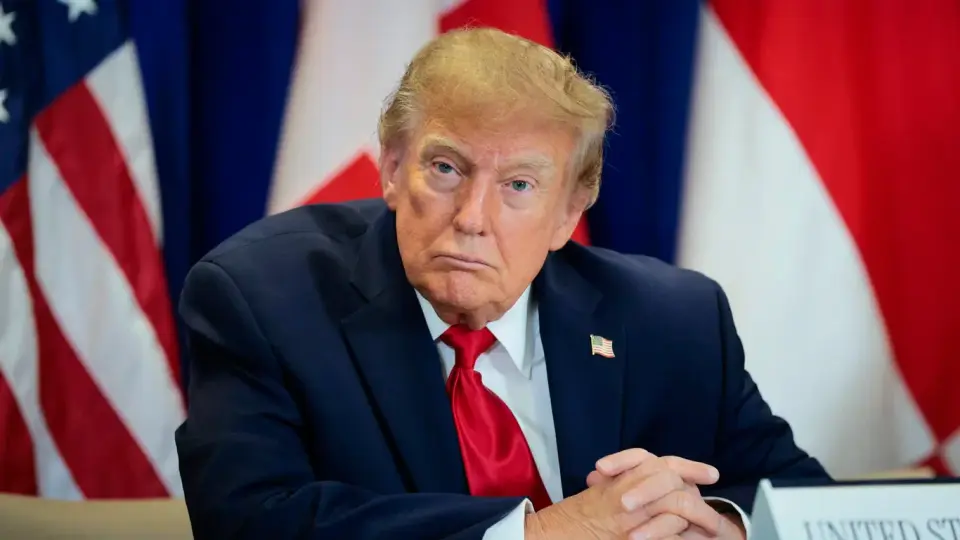
President Donald Trump has signaled a potential shift in US-Iran relations, moving from rejecting Tehran's proposal to reopen the Strait of Hormuz to offering sanctions relief and unfreezing assets in exchange for concrete nuclear concessions. This development follows a failed diplomatic breakthrough at the UN General Assembly and has caused oil prices to fluctuate significantly, with Brent crude settling at $106.18 per barrel.
Key points
- Trump rejected Iran's proposal to reopen the Strait of Hormuz within seven days in exchange for lifting the naval blockade and easing sanctions, calling it unacceptable.
- Media reports from Al Jazeera, CNN, and Axios indicate Trump is now willing to ease sanctions and release frozen assets if Iran makes 'concrete progress' on its nuclear program.
- Oil markets reacted to the news, with Brent crude rising 1.8% to $106.18 and WTI crude adding 1% to $93.29, though gains were pared after reports of potential sanctions relief.
- Iran maintains its commitment to its original conditions despite Trump's rejection, while the US continues to monitor the conflict between Iran-backed Houthis and the Saudi-backed government in Yemen.
- Saudi Arabia has resumed oil exports via its East-West Pipeline after repairing damage from Houthi drone strikes, providing an alternate route for crude instead of transiting the Strait of Hormuz.
Background
This development follows months of intense economic pressure and military conflict between the US and Iran, with Trump previously defending the war and intensifying sanctions under 'Operation Economic Outcast.' Earlier reports indicated no timetable for negotiations, with analysts doubting sanctions alone would force Tehran back to the table. The current shift suggests a potential change in Washington's approach, moving from pure pressure to a conditional engagement strategy.
How outlets are covering it
Axios and CNN emphasize the potential for a diplomatic breakthrough, highlighting Trump's willingness to ease sanctions for nuclear concessions. Investing.com focuses on the market impact, noting that oil prices rose after Trump rejected the Hormuz deal but settled below session highs after reports of potential sanctions relief. The outlets differ in their emphasis, with Axios and CNN focusing on the diplomatic angle and Investing.com on the economic consequences.
Why it matters
This potential shift in US-Iran relations could have significant implications for global oil markets and geopolitical stability. If sanctions are eased, it could lead to increased Iranian oil exports, potentially lowering global oil prices. Conversely, if negotiations fail, it could lead to further escalation in the conflict, potentially disrupting oil supplies and raising prices. The outcome of these negotiations will also have broader implications for US-Iran relations and the broader Middle East region.
What to watch
The next steps will likely involve further diplomatic efforts between the US and Iran, potentially leading to a formal agreement on nuclear concessions and sanctions relief. Oil markets will continue to monitor developments, with prices likely to fluctuate based on the outcome of negotiations. The US will also continue to monitor the conflict between Iran-backed Houthis and the Saudi-backed government in Yemen, which could further impact oil supplies and prices.
- Trump offers Iran economic relief for concrete nuclear concessions Axios
- Trump open to Iran sanctions relief for ‘concrete progress’ on nuclear issues, US official says CNN
- US Stocks Decline as Middle East Stalemate Pushes Oil Higher Bloomberg.com
- Oil cuts gains, Trump reportedly ready to ease Iran sanctions for nuclear progress Investing.com
- Trump may offer sanctions relief to Iran in exchange for progress on nuclear issue — report The Times of Israel
Want the full story? Read the original reporting
Read on Axios