
Trump Rejects Iran’s Seven-Day Ceasefire Plan, Signals Post-Midterm Bombing
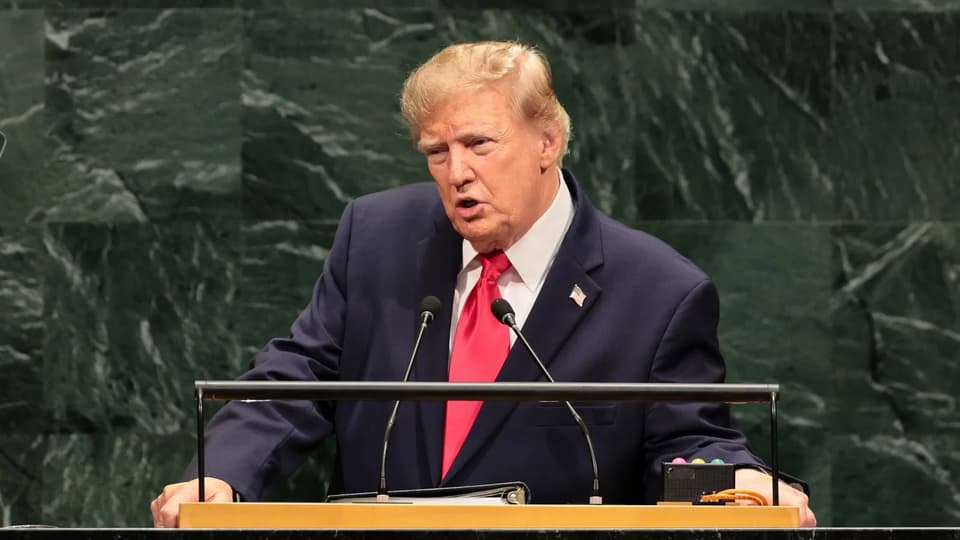
President Donald Trump has rejected Iran’s proposal to reopen the Strait of Hormuz and resume nuclear talks within seven days, stating he expects to resume bombing Iran after the November midterm elections. The Wall Street Journal reported that Trump privately views renewed strikes as likely, while Iran’s Foreign Minister Abbas Araghchi insisted Tehran’s conditions, including ending US aggression and lifting sanctions, remain unchanged. Meanwhile, Saudi-led coalition forces intercepted Houthi drones and missiles aimed at Saudi Arabia, and oil prices fell slightly despite the ongoing conflict.
Key points
- Trump rejected Iran’s conditional offer to reopen the Strait of Hormuz and restart nuclear negotiations within seven days, confirming the rejection to reporters on Saturday.
- The Wall Street Journal reported that Trump told aides he expects to resume bombing Iran after the November midterm elections, viewing a renewed campaign as likely.
- Iran’s conditions for the deal include a halt to US 'acts of aggression,' an end to the naval blockade, and the release of frozen Iranian assets.
- Saudi-led coalition forces intercepted two Houthi drones headed for Riyadh and two ballistic missiles aimed at the Khamis Mushait region.
- West Texas Intermediate crude oil dropped 2.3% to $92.41 per barrel, while Brent crude fell 2.1% to $104.32, though both remain significantly higher year-to-date.
Background
The current standoff follows a 60-day ceasefire that expired in August without a broader peace deal. Previous coverage noted internal divisions in Iran between pragmatists and hardliners, as well as Trump’s earlier threats to bomb Oman if negotiations failed. In late September, Trump signaled a 'turning point' in the conflict, while Iran warned of a 'decisive war' if its truce conditions were rejected.
How outlets are covering it
The Wall Street Journal emphasizes Trump’s private skepticism and his expectation of renewed bombing after the midterms, suggesting a strategic delay. Al Jazeera highlights Iran’s perspective that it is 'underplaying' its hand and waiting for a formal US response through mediators, noting that the UN General Assembly offered little hope for immediate resolution. The Associated Press notes that Trump posted a map labeling the Strait of Hormuz as the 'Trump Strait,' potentially to signal political leverage ahead of elections, while Iranian President Masoud Pezeshkian has departed New York after the UN session.
Why it matters
The rejection of the ceasefire proposal risks a return to active hostilities, which could drive oil prices higher and exacerbate global inflation. The ongoing Houthi attacks on Saudi Arabia threaten regional stability and international shipping routes, while the unresolved status of the Strait of Hormuz continues to disrupt energy supplies and global markets.
What to watch
Iran’s Foreign Minister Abbas Araghchi stated that Tehran is waiting for a formal US response through mediators before making a final decision. Analysts suggest that Washington may maintain pressure through November, while Tehran may view further escalation as less costly than premature compromise. The outcome of the midterm elections will likely influence Trump’s approach to the conflict.
- Trump rejects Iran's conditional ceasefire proposal, WSJ reports, as Saudi coalition intercepts projectiles CNBC
- Exclusive | Trump Rejects Iran Ceasefire, Expects Renewed Bombing After Midterms WSJ
- Trump posts map showing ‘Trump Strait’ after Iran proposes deal to open the waterway wbbjtv.com
- Iran war live: Iranian army warns US against making ‘mistake’ of attacking Al Jazeera
- Iran will make no nuclear concessions, Iranian official says Reuters
Want the full story? Read the original reporting
Read on CNBC