
Trump Rejects Iran’s Seven-Day Hormuz Plan, Citing Unacceptable Terms
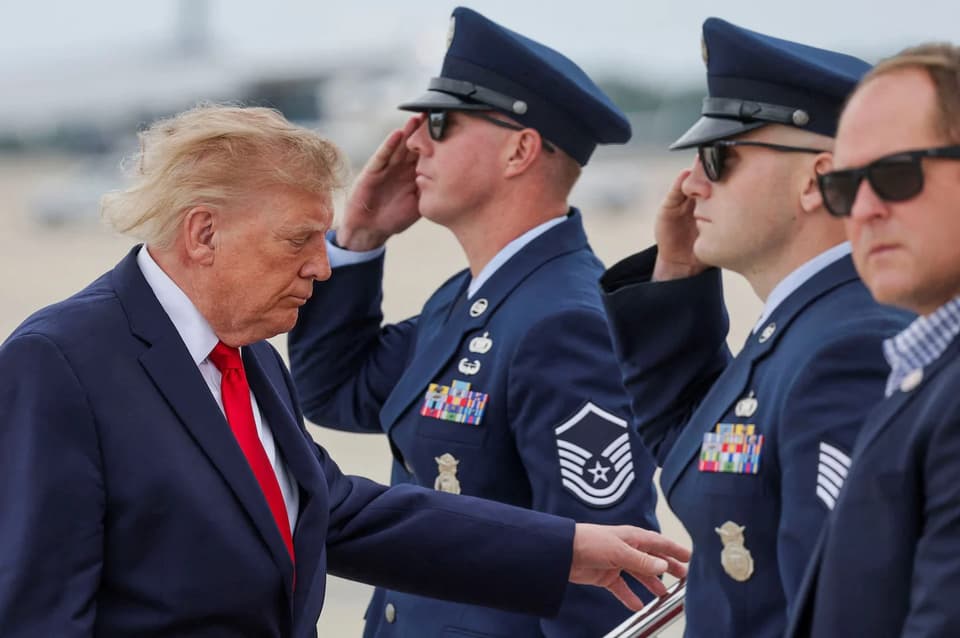
President Donald Trump rejected Iran’s latest proposal to reopen the Strait of Hormuz within seven days, calling the terms 'unacceptable.' Tehran, led by Foreign Minister Abbas Araghchi, insists its conditions are non-negotiable and are awaiting an official response from Washington. The standoff has left global oil markets volatile, with US gasoline prices soaring to $4.49 a gallon, intensifying political pressure on the administration ahead of the November midterms.
Key points
- Trump dismissed the Iranian proposal on Saturday, stating Tehran is offering the deal because it is 'losing so badly' in the ongoing conflict.
- Iran’s Foreign Minister Abbas Araghchi confirmed that Tehran will not back down from its demands, which include lifting the US naval blockade and sanctions relief.
- The US maintains a naval blockade on Iranian ports, aiming to choke off oil exports and apply economic pressure, while Iran has mined the waterway.
- US gasoline prices reached $4.49 per gallon on Saturday, up from $2.98 on the day the war began in late February, driving up costs for consumers and businesses.
- Democrats, including Sen. Chris Murphy, have criticized the war as a disaster, arguing that accepting the deal would be preferable to continued conflict.
Background
The current standoff follows a June Memorandum of Understanding between the US and Iran that collapsed amid renewed fighting. In August, Trump floated the idea of declaring the Strait of Hormuz US territory, a claim Iran rejected, insisting the waterway remains under Tehran’s control. Recent archive coverage indicates that shipping through the strait has dropped to 38% of pre-war levels, and Iran’s crude exports have fallen to zero in September due to the blockade.
How outlets are covering it
The Washington Post emphasizes the political fallout for Trump, highlighting soaring fuel prices and Democratic criticism as key pressures. CNN focuses on the diplomatic stalemate, noting that Iran is awaiting an official US response through mediators and that the White House claims to be in a 'strong position.' Al Jazeera highlights the risk of military escalation, with analysts warning that Iran may retaliate against the US ahead of the midterms, and notes that Iranian military officials are framing the conflict as a 'critical and decisive' stage where they have already 'won.'
Why it matters
The rejection of the proposal keeps the Strait of Hormuz closed, disrupting the flow of one-fifth to a quarter of the world’s oil. This has driven global energy prices to record highs, impacting inflation and cost-of-living pressures in the US. The situation also poses a significant risk for the November midterm elections, as high fuel prices are damaging the Republican Party’s standing with voters.
What to watch
Iran is waiting for an official US response through mediators before making any further decisions. Analysts warn of a high risk of military escalation in the coming weeks, particularly as the midterms approach. The US has indicated that a renewed bombing campaign is likely after the elections, while Iran has vowed not to back down from its conditions.
- Trump rejects Iran’s proposal to reopen Strait of Hormuz, restart peace talks The Washington Post
- Exclusive | Trump Rejects Iran Ceasefire, Expects Renewed Bombing After Midterms WSJ
- Iran war live: Tehran awaits official response as Trump rejects Hormuz plan Al Jazeera
- Trump rejects proposal to reopen the Strait of Hormuz. Iran says it is awaiting definitive US position CNN
- Iran insists on diplomatic solution after Trump rejects peace plan Reuters
Want the full story? Read the original reporting
Read on The Washington Post