
Trump Weighs 'Big Decision' on Iran as Gulf Leaders Gather and Oil Prices Spike
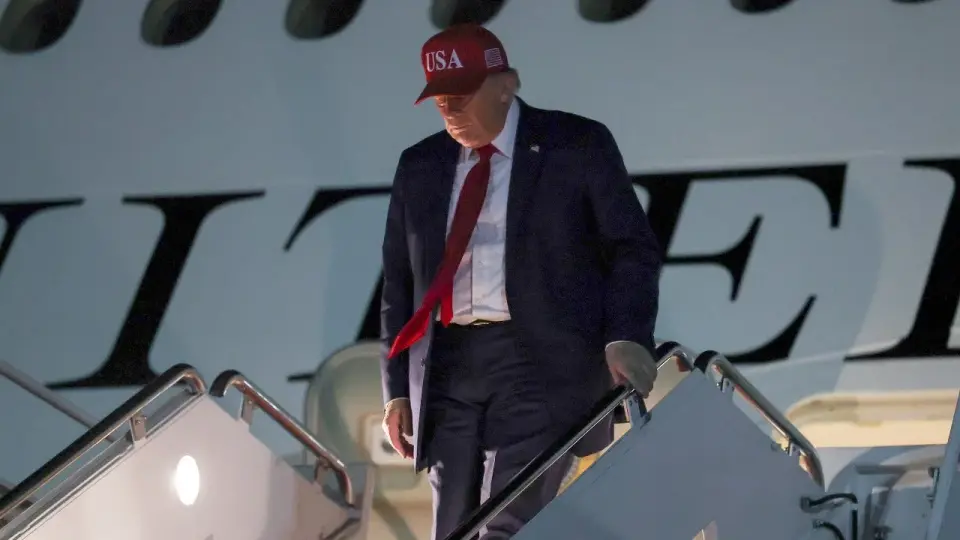
President Trump claims direct communication with Iran and signals the conflict may end soon, but Tehran denies active negotiations. A naval blockade and Houthi attacks have pushed oil prices above $100, prompting Trump to meet Gulf leaders at the UN. While US officials cite economic pressure as a path to peace, Iran insists on enforcing a previous memorandum of understanding before reopening the Strait of Hormuz.
Key points
- Trump told Axios he faces a 'big decision' on whether to escalate or negotiate, citing direct talks with Iran, though Tehran has not confirmed these exchanges.
- CENTCOM reports redirecting 104 commercial vessels to enforce a naval blockade, while oil prices rose 9% in a month to $4.43 per gallon in the US.
- Iranian official Mohammad Baqer Zolqadr stated the Strait of Hormuz will remain closed until Trump and Netanyahu are removed from power.
- Former Pentagon official Brent Sadler predicts the war could end by November due to economic pressure, while former Navy officer Arthur Busick notes the timeline aligns with midterm elections.
- Houthi drone debris killed one person and injured two in Saudi Arabia’s Taif province, highlighting the conflict’s expansion into the Red Sea.
Background
The current situation follows a collapsed June memorandum of understanding (MoU) that was intended to start a 60-day peace process. Previous coverage noted internal divisions in Iran between pragmatists and hardliners, as well as US debates over whether to declare victory and withdraw or maintain an open-ended military posture. The conflict has already cost the US $38 billion and disrupted global energy supplies since the start of the war.
How outlets are covering it
Fox News emphasizes Trump’s agency, highlighting his claim of direct talks and the potential for a quick resolution before the November elections. In contrast, Al Jazeera questions the validity of these claims, noting that former Iranian diplomat Abbas Khameyar dismissed the idea of new direct negotiations and that Tehran is focused on enforcing the existing MoU rather than opening new channels. While Fox cites US officials who view economic pressure as a decisive tool, Al Jazeera points to Iranian demands for US compliance with previous terms and the involvement of intermediaries like Pakistan and China, suggesting a more complex diplomatic landscape than Trump’s narrative implies.
Why it matters
The outcome of this conflict directly impacts global energy markets, with oil prices already exceeding $100 per barrel. A prolonged blockade of the Strait of Hormuz threatens Saudi Arabia’s oil exports and could trigger a worldwide energy crisis, as warned by Vice President JD Vance. Furthermore, the expansion of the conflict to the Red Sea via Houthi attacks poses existential risks to regional stability and global supply chains, making the resolution of this war a critical factor for the US midterm elections and international economic stability.
What to watch
Trump is scheduled to meet with leaders from Saudi Arabia, the UAE, Qatar, Bahrain, Kuwait, and Oman at the UN General Assembly to gauge their positions. Meanwhile, Iran continues to enforce its blockade, and diplomatic efforts involving Pakistan and China are ongoing. The next few weeks will determine whether economic pressure forces a deal or if the conflict escalates further, potentially impacting US domestic politics ahead of the November midterms.
- Trump claims he has spoken to Iran 'directly,' says war is 'hopefully' near an end Fox News
- Trump claims direct talks with Iran: Is diplomacy picking up again? Al Jazeera
- Trump determined to end Iran war soon, senior adviser tells Euronews Euronews.com
- Trump’s ‘Little War’ With Iran Just Got a Lot Bigger Bloomberg.com
- Trump says 'hopefully we are towards end' of Iran war reuters.com
Want the full story? Read the original reporting
Read on Fox News