
Trump Terminates South Africa’s AGOA Status, Citing Corruption and Security Concerns
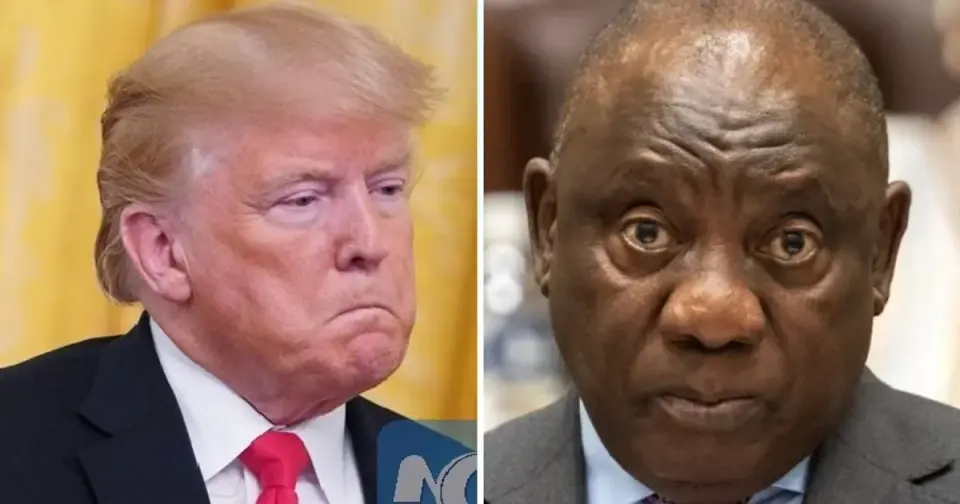
The US has officially moved to remove South Africa from the African Growth and Opportunity Act (AGOA) effective January 1, 2027. This decision follows months of diplomatic friction over land reform, rural crime, and investment rules. While Washington cites corruption and security threats, Pretoria is bracing for severe economic fallout, particularly in the auto sector, while refusing to capitulate to US demands.
Key points
- US Trade Representative Jamieson Greer announced the termination of South Africa’s AGOA eligibility, effective January 1, 2027, citing barriers to trade, corruption, and national security concerns.
- US Ambassador L. Brent Bozell III previously outlined five demands, including condemning the slogan 'Kill the Farmer! Kill the Boer!', designating rural crime as a priority, and allowing equity investment programs in mining and telecoms.
- South African President Cyril Ramaphosa refused to alter core domestic policies, stating that losing AGOA status would be 'devastating' but urging national resilience rather than panic.
- Industry estimates suggest over 125,000 jobs, including 86,000 in direct manufacturing, depend on AGOA benefits, with the automobile sector facing the most significant risk.
- Trade Minister Parks Tau called the decision 'unfortunate,' noting that Washington raised new issues not previously discussed in 2025 trade negotiations.
Background
This escalation follows a period of heightened tensions in late 2025, where the US imposed visa restrictions on South African officials accused of race-based discrimination. In September 2026, South Africa faced a surge in violent crime, including mass shootings and femicide, which prompted President Ramaphosa to mandate municipal safety audits and alcohol enforcement measures. These domestic security challenges likely influenced the US administration's assessment of 'national security' risks, although Pretoria maintains that its policies are focused on internal stability and economic diversification.
How outlets are covering it
The US administration, represented by Trade Representative Jamieson Greer and Ambassador Bozell, frames the decision as a necessary response to 'corruption' and 'barriers to investment,' arguing that South Africa rejected 'real concerns' regarding property rights and rural safety. In contrast, South African officials, including Trade Minister Parks Tau, describe the move as 'unfortunate' and driven by new, unrelated issues, emphasizing their commitment to diversifying export markets. While the US views the termination as a predictable outcome of South Africa's 'ideological posturing,' Pretoria characterizes it as an aggressive trade weapon, with President Ramaphosa preparing the public for potential economic shocks without conceding to US demands on land reform or political alignment.
Why it matters
The removal of South Africa from AGOA threatens to disrupt the second-largest trade earner between the two nations, the automobile sector. With over 125,000 jobs at risk, the decision could trigger significant unemployment and industrial decline in South Africa. Furthermore, it signals a broader shift in US-African trade relations, where geopolitical alignment and domestic policy compliance are increasingly used as leverage in economic negotiations, potentially affecting other African nations seeking preferential access to US markets.
What to watch
South Africa is expected to accelerate efforts to diversify its export markets to mitigate the loss of duty-free access to the US. The government may seek alternative trade partners or negotiate new bilateral agreements to offset the impact on the manufacturing sector. Meanwhile, the US may continue to monitor South Africa's compliance with its five demands, potentially using the AGOA termination as a catalyst for further diplomatic pressure or targeted sanctions if core issues remain unresolved.
- Trump gave Africa’s largest economy 5 demands to restore U.S. ties, but Ramaphosa refuses to bow as he prepares South Africa for trade fallout Business Insider Africa
- Trump to remove Rwanda and South Africa from US trade deal BBC
- Trump Removes South Africa From the African Growth and Opportunity Act Trade Program The New York Times
- What does the loss of US trade benefits mean for South Africa and Rwanda? Reuters
- US moves to strip South Africa and Rwanda of duty-free trade access Financial Times
Want the full story? Read the original reporting
Read on Business Insider Africa