
Trump-Xi Shenzhen Summit Faces AI Chip Disputes and Cabinet Rifts
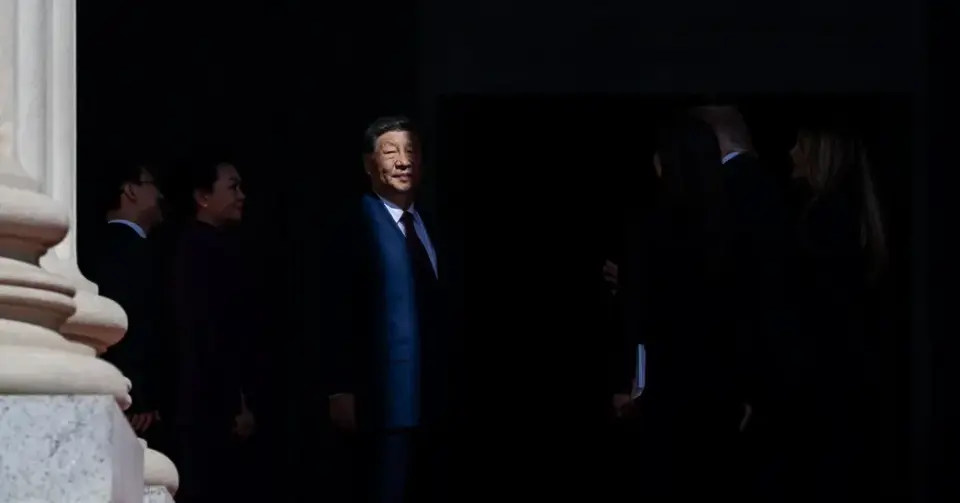
President Donald Trump and Chinese leader Xi Jinping are set to meet in Shenzhen for the APEC summit, but tensions over artificial intelligence (AI) and semiconductor exports threaten to overshadow diplomatic efforts. A new U.S. rule restricts remote access to advanced chips, targeting Chinese circumvention of export controls. This move highlights a deep split within the Trump administration, with Treasury Secretary Scott Bessent pushing for strict enforcement against China, while Commerce Secretary Howard Lutnick favors a less restrictive approach. The dispute is compounded by the resignation of Nvidia CEO Jensen Huang amid espionage allegations involving a Singaporean firm. Analysts suggest the summit may yield limited substantive results, focusing instead on crisis communication and tariff management, as Washington’s institutional capacity to negotiate technology concessions has diminished.
Key points
- New U.S. export rules restrict remote access to advanced chips and servers, targeting China, Russia, Iran, and Cuba, and impose licensing requirements on countries like Singapore and Malaysia to prevent diversion.
- Treasury Secretary Scott Bessent and Commerce Secretary Howard Lutnick are in public disagreement over chip policy, with Bessent advocating for stricter controls and Lutnick favoring a more lenient approach.
- Nvidia CEO Jensen Huang resigned after admitting to an affair with a suspected Chinese spy linked to a Singaporean firm accused of diverting restricted chips to China, causing a $1 trillion market value drop in tech stocks.
- The APEC summit in Shenzhen is expected to focus on AI safety protocols and crisis communication, but major issues like Ukraine, Iran, and nuclear disarmament are likely to be deferred to maintain diplomatic stability.
- China is accelerating indigenous semiconductor development due to U.S. export controls, viewing reliance on American technology as a strategic liability.
Background
Recent FBI arrests of individuals for spying on Taiwanese officials have heightened concerns about Chinese intelligence operations targeting U.S. persons. Additionally, Trump’s confirmation of a trilateral summit with Putin and Xi has raised tensions with Ukraine and domestic political opposition. The current trip follows Trump’s arrival in Manila for the ASEAN summit, where he faced protests and concerns over U.S. reliability in the region.
How outlets are covering it
The New York Times emphasizes the surge in AI tensions and safety fears, noting Trump’s mixed messages on AI threats and his preference for the term 'superintelligence.' The Los Angeles Times highlights the internal administration conflict, with Bessent pushing for stricter export controls despite Trump’s desire to maintain a détente with Xi. Asia Times argues that technology policy is no longer a flexible bargaining tool, with congressional and institutional constraints limiting Trump’s ability to negotiate concessions. The Globe and Mail suggests the summit will prioritize optics over substance, with both sides avoiding contentious issues to preserve strategic stability, potentially resulting in 'pantomime diplomacy.'
Why it matters
The outcome of the Trump-Xi summit will shape the future of U.S.-China relations, particularly in the AI and semiconductor sectors. The new export controls and cabinet disputes signal a shift toward institutionalized national security competition, reducing Washington’s flexibility in negotiations. For China, the restrictions may accelerate its push for technological self-reliance, while for the U.S., the lack of tangible results could undermine its global leadership in AI. The summit’s focus on crisis communication rather than substantive concessions may set a precedent for future U.S.-China interactions, emphasizing stability over integration.
What to watch
The APEC summit in Shenzhen will likely focus on AI safety protocols and crisis communication, with limited progress on major geopolitical issues. The new export controls may face further congressional scrutiny, and the Nvidia scandal could lead to additional regulatory actions. Future U.S.-China meetings, including the G20 summit in December, may continue to prioritize optics over substance, with both sides avoiding contentious issues to maintain diplomatic stability.
- As Trump Goes to China, A.I. Tensions Surge Amid Spying and Safety Fears The New York Times
- Bessent Takes Hawkish Turn in White House Debate on China The New York Times
- A divided Trump team closes ranks ahead of AI talks with China Los Angeles Times
- Trump and Xi meet in Shenzhen with little left to trade Asia Times
- Trump-Xi meeting on sidelines of APEC summit unlikely to tackle major issues The Globe and Mail
Want the full story? Read the original reporting
Read on The New York Times