
Trump threatens global trade partners with sanctions as Iran war shifts to economic attrition
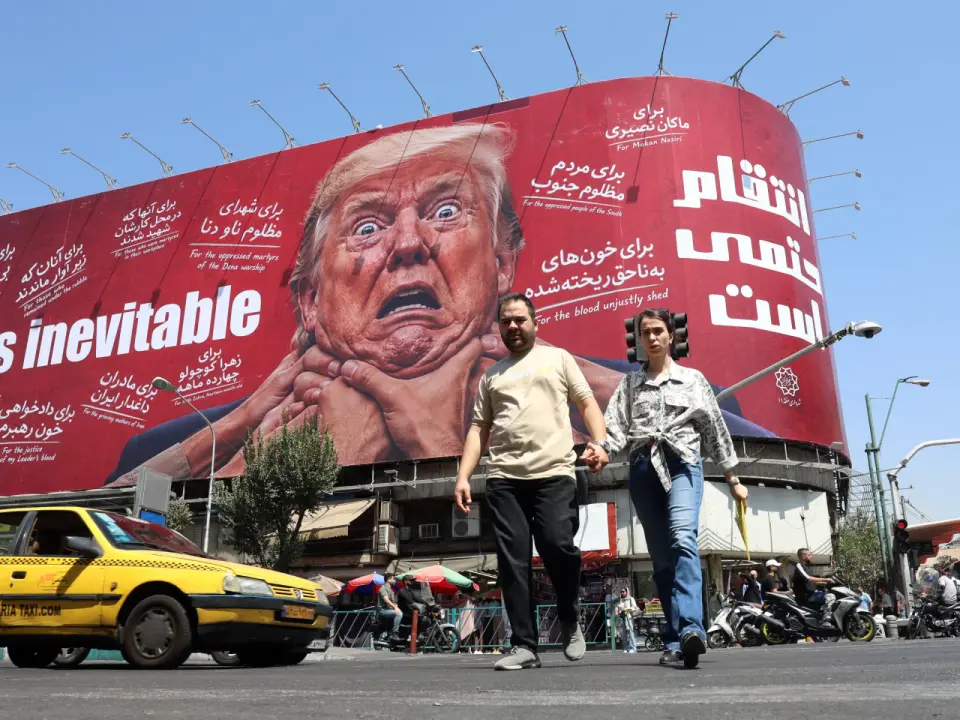
US President Donald Trump has escalated the conflict with Iran by threatening severe economic consequences for any nation that continues trading with Tehran. This move follows a stalled diplomatic process and a military blockade that has reduced Iranian oil exports to historic lows. While Washington aims to isolate Iran financially, analysts question the feasibility of enforcing such sanctions on major partners like China and Russia, who have resisted US pressure. Iran has dismissed the threats as ineffective, noting its ability to circumvent restrictions, while the US faces domestic political risks from prolonged economic strain.
Key points
- Trump warned that countries providing financial or logistical support to Iran will face 'tremendous economic consequences,' targeting oil smuggling, cash transfers, and ship registries.
- Iranian oil exports have dropped below 300,000 barrels per day due to a US naval blockade and sanctions, down from roughly 1.3 million to 1.5 million barrels pre-war.
- The UAE announced an indefinite trade embargo on Iran, citing missile attacks, while Tajikistan finalized an agreement to import Iranian oil.
- Treasury Secretary Scott Bessent indicated that maximum economic pressure may preclude a large-scale military restart, aiming to collapse the Iranian regime through financial isolation.
- Iran’s central bank reported a 24% decline in trade year-over-year, but officials claim the country has become skilled at circumventing sanctions through shadow fleets and alternative networks.
Background
This escalation follows a five-month conflict that began with US strikes on Iranian nuclear facilities in June 2025. Previous attempts to secure a deal via a June Memorandum of Understanding expired in August without resolution. The US has maintained a naval blockade of the Strait of Hormuz, which has disrupted global energy supplies and raised oil prices to nearly one-month highs. Earlier tensions included disagreements between the US and Israel regarding the war’s duration and strategy, as well as concerns over the prolonged deployment of the USS Abraham Lincoln.
How outlets are covering it
Al Jazeera highlights the skepticism among analysts regarding the enforceability of US sanctions, noting that China, Turkey, and Pakistan have continued trading with Iran despite US pressure. Fox News emphasizes the administration’s confidence in the strategy, with former officials like Mark Esper and Joseph Votel supporting the crackdown on financial lifelines and China’s role as a key buyer. CNN questions whether Trump will maintain this course, arguing that the economic pain on American voters and the approaching midterm elections may force a retreat. CNBC features Treasury Secretary Scott Bessent, who asserts that the economic pressure will work, comparing it to successful strategies in Venezuela and Cuba, while dismissing concerns about inflation and bond yields.
Why it matters
The shift to economic warfare aims to force Iran’s capitulation without further military engagement, but it risks destabilizing global energy markets and straining US alliances. If the strategy fails to isolate Iran, it could prolong the conflict, increase oil prices, and impact the US economy, potentially influencing the upcoming midterm elections. The effectiveness of these sanctions depends on the willingness of major powers like China to comply, which remains uncertain.
What to watch
Treasury Secretary Bessent is scheduled to hold a press conference on Monday to detail specific economic measures. The US may impose further sanctions on Chinese banks involved in Iranian oil transactions, though this could complicate upcoming diplomatic visits. Iran may respond by escalating disruptions in the Strait of Hormuz or seeking alternative trade routes through Russia and Central Asia. The outcome will depend on whether the economic pressure can sustainably weaken Iran’s regime before US political costs become prohibitive.
- ‘Tremendous costs’: Can Trump stop other countries from trading with Iran? Al Jazeera
- Iran dismisses Trump’s ‘economic D-Day’ as distraction from America's fiscal problems Fox News
- CNBC Exclusive: Transcript: U.S. Treasury Secretary Scott Bessent Speaks with CNBC’s Sara Eisen on “Squawk on the Street” Today CNBC
- Trump has a new plan to crush Iran’s economy. But will he stay the course? CNN
- Trump Threat Puts Focus on Iran’s Trading Partners The New York Times
Want the full story? Read the original reporting
Read on Al Jazeera